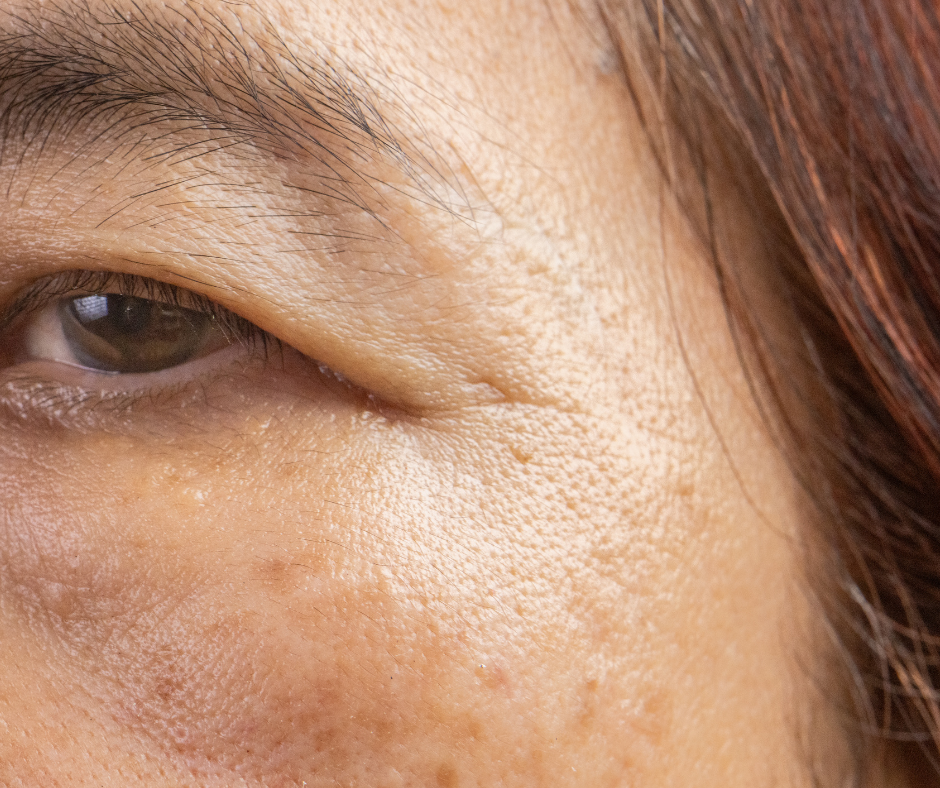
Age Spots: Effective Treatments for Senior Skin

As we age, our skin tells the story of our sunny afternoons, beach vacations, and years of outdoor fun. But those memories sometimes leave behind little marks called age spots (also known as liver spots or sun spots). While harmless, many of us find these spots frustrating or embarrassing. The good news? There are effective ways to reduce their appearance and even prevent new ones from forming.
Let’s take a look at what causes age spots, how to treat them, and the best ways to keep your skin looking healthy and radiant at any age.
What Are Age Spots?

Age spots are flat, brown, gray, or black spots that appear on the skin in areas exposed to the sun, especially the face, hands, shoulders, arms, and chest. They’re caused by an overproduction of melanin due to long-term sun exposure.
While they’re usually harmless, it’s always smart to have any new or changing spots checked by a dermatologist.
5 Popular Treatment Options
If you’re looking to reduce the appearance of age spots, below are some popular treatments seniors can consider. Important: Before starting any new treatment, whether it’s a cream, supplement, or in-office procedure, it’s wise to consult with your primary care physician or dermatologist. What works for one person may not be right for another, especially if you’re managing medications or sensitive skin conditions.
1. Topical Creams with Retinoids or Hydroquinone
These over-the-counter or prescription creams can fade spots over time. Retinoids help speed up skin cell turnover, while hydroquinone is a skin-lightening agent. Be patient. Results can take several weeks or months. Consistency is key! (The products listed below have good reviews.)
2. Vitamin C Serums
Vitamin C is a gentle antioxidant that can brighten the skin and reduce pigmentation. It’s a great addition to any senior skincare routine and often works well with sunscreen to prevent further damage.
3. Cryotherapy (Freezing)

A dermatologist can apply liquid nitrogen to freeze the age spot, which causes it to peel off over time. This treatment is reportedly fast and effective for isolated spots but may cause temporary irritation or redness.
4. Laser Treatments
Laser therapy targets pigment deep in the skin and breaks it up. It often provides fast results but may require multiple sessions and can be more costly.
5. Chemical Peels or Microdermabrasion
These treatments exfoliate the outer layers of skin to reveal brighter, spot-free skin underneath. They’re often done in a dermatologist’s office and can refresh overall texture and tone.
Daily Habits to Prevent New Spots

Even if you’ve had success lightening existing spots, preventing new ones is key! Here are some simple skincare strategies:
-
- Wear sunscreen every day, at least SPF 30, even on cloudy days.
-
- Use a wide-brimmed hat and sunglasses when outdoors.
-
- Avoid peak sun hours (10 AM–4 PM).
-
- Moisturize regularly to support skin health.
- Check your skin monthly and note any changes.
Note: Always do a patch test or check with your dermatologist before starting a new product.
Confidence Is Ageless
While age spots are a natural part of getting older, you don’t have to live with them if they bother you. With a mix of at-home care, preventative habits, and dermatological options, you can feel good about your skin at any stage of life.
👉 Got a favorite cream or treatment? Share it in the comments! We’d love to hear what’s working for you!
Sources:







Always lots of great information on your blog.
Thanks, Janice. We’re trying!
Great info Lisa
I follow your sister Tania and will enjoy following you too!
Thank you, Jayne!
Great info!! I have such dry skin now and am going to try the suggestions!!
Thanks, Paula. Glad to have you here on the blog!
😀I use retinol
Same! Although, I’m not as consistent as I should be.
Thank you for the info on thinning hair. I am on a long term post cancer drug, and I have been struggling with this. I am enjoying the new blog. I am a follower of Tania’s blog, and I knew I would love this one too! Keep up the good work girls.
I have the SAME issue. Tania has such thick hair, but I’ve not been blessed with that. Sigh. I will stay on the hunt for help!
Thanks for following along – Lisa
Great advice! Thank you 😊
Thank YOU for following. 🙂
Enjoying the new blog. Thanks for all the great information
Thanks, Mom. ❤️