
How to Sleep Better After 60: Simple Habits That Really Work

Getting a good night’s sleep is one of the most important things you can do for your health, especially as you get older. But many adults over 60 struggle with falling asleep, staying asleep, or waking up feeling rested. The good news? A few simple changes can make a big difference. Today, we’re looking at practical ways to improve your sleep and wake up with more energy, better mood, and a clearer mind.
Sleep Habits Quiz: What’s Really Affecting Your Sleep?
These questions reflect common sleep challenges for adults over 60. See how your habits measure up and learn where you might improve.
Why Sleep Changes as We Age
It’s common for sleep patterns to shift as we get older. You may fall asleep earlier, wake up more during the night, or feel less rested in the morning. Health conditions, medications, stress, and changes in activity level can all play a role. While some changes are normal, you don’t have to settle for poor sleep. Small habits add up to better nights.
Set a Steady Sleep Schedule
One of the most effective things you can do is to keep your bedtime and wake-up time consistent. Your body works best when it knows what to expect every day. Try choosing a bedtime you can stick to seven days a week. Even shifting your routine by 30 minutes can help reset your internal clock and make falling asleep easier.
Create a Relaxing Nighttime Routine
A calming routine signals your brain that it’s time to wind down. Try adding one or two of these simple habits:
• Dim the lights an hour before bed • Take a warm shower or bath • Read something light • Listen to soothing music • Do gentle stretching or slow breathing
These small steps help your body shift out of “go mode” and prepare for rest.
Make Your Bedroom a Sleep-Friendly Space
Your sleep environment matters. The goal is to make your room cool, dark, and quiet. Even small adjustments help:
• Lower the thermostat a few degrees • Use blackout curtains • Add a fan or white noise machine • Remove bright clocks, screens, or blinking lights • Invest in a comfortable pillow or mattress topper
You want your bedroom to feel like a calm retreat, not another busy space.
Watch Your Daytime Habits
What you do during the day affects how you sleep at night. These tips are especially important for older adults:
• Avoid caffeine after early afternoon • Keep naps short and early in the day • Stay active with walking, stretching, or light strength training • Get outside for natural sunlight
Daylight helps regulate your sleep-wake cycle, and physical activity improves sleep quality.
Be Mindful of Screens at Night
Phones, TVs, and tablets give off blue light, which tells your brain to stay awake. Try to stop using screens an hour before bed. If you like to unwind with a device, consider turning on a blue-light filter or using audio only, such as a podcast or music. This small change alone can make falling asleep much easier.
Pay Attention to Pain and Medical Issues
Aches, pains, and chronic conditions can interrupt sleep, but there are ways to reduce nighttime discomfort. Try gentle stretching before bed, using a supportive pillow, or talking to your doctor about ways to manage pain more effectively. If snoring, gasping for air, or constant waking is an issue, ask your provider about sleep apnea, which is very common and treatable.
Use Sleep Aids Carefully
Over-the-counter sleep aids, melatonin, or herbal supplements can sometimes help, but they’re not right for everyone. Older adults are more sensitive to side effects, and certain medications can interact in unsafe ways. Always check with your healthcare provider before starting anything new.
When to Seek Extra Help
If you regularly have trouble falling asleep, wake up several times a night, or feel exhausted most days, it might be time to talk with your doctor. Sleep problems are treatable, and getting help can improve your energy, mood, memory, and overall health.
Helpful Tools to Consider
These products may support better sleep. You can link similar items from Amazon:
White Noise Machine

White noise helps block out sudden or disruptive sounds that can wake you during the night. It creates a steady background sound that allows your brain to relax and fall into deeper, more consistent sleep.
Blackout Curtains

Darkness signals your brain to release melatonin, the natural hormone that prepares your body for sleep. Blackout curtains or a sleep mask help reduce early morning light or bright street lights that can interrupt rest.
Lavender Pillow Spray

Lavender is one of the most researched essential oils for relaxation. Studies suggest it may calm the nervous system, helping lower heart rate and ease the transition into sleep.
Lightweight Cooling Blanket

Temperature plays a major role in sleep quality. Breathable or cooling bedding helps prevent overheating, which is a common cause of nighttime awakenings in older adults.
Warm Night-lighting or Soft Bedside Lamp

Warm, low lighting helps your body wind down by avoiding the “bright light” signals that can keep your brain alert. Soft lighting supports a smoother transition into your bedtime routine.
Supportive Pillows

Proper neck and spine alignment can reduce tossing, turning, and pain-related awakenings. A supportive pillow helps maintain a comfortable sleeping position throughout the night. (This pillow is highly rated and Consumer Reports recommended. It’s also pricey.)
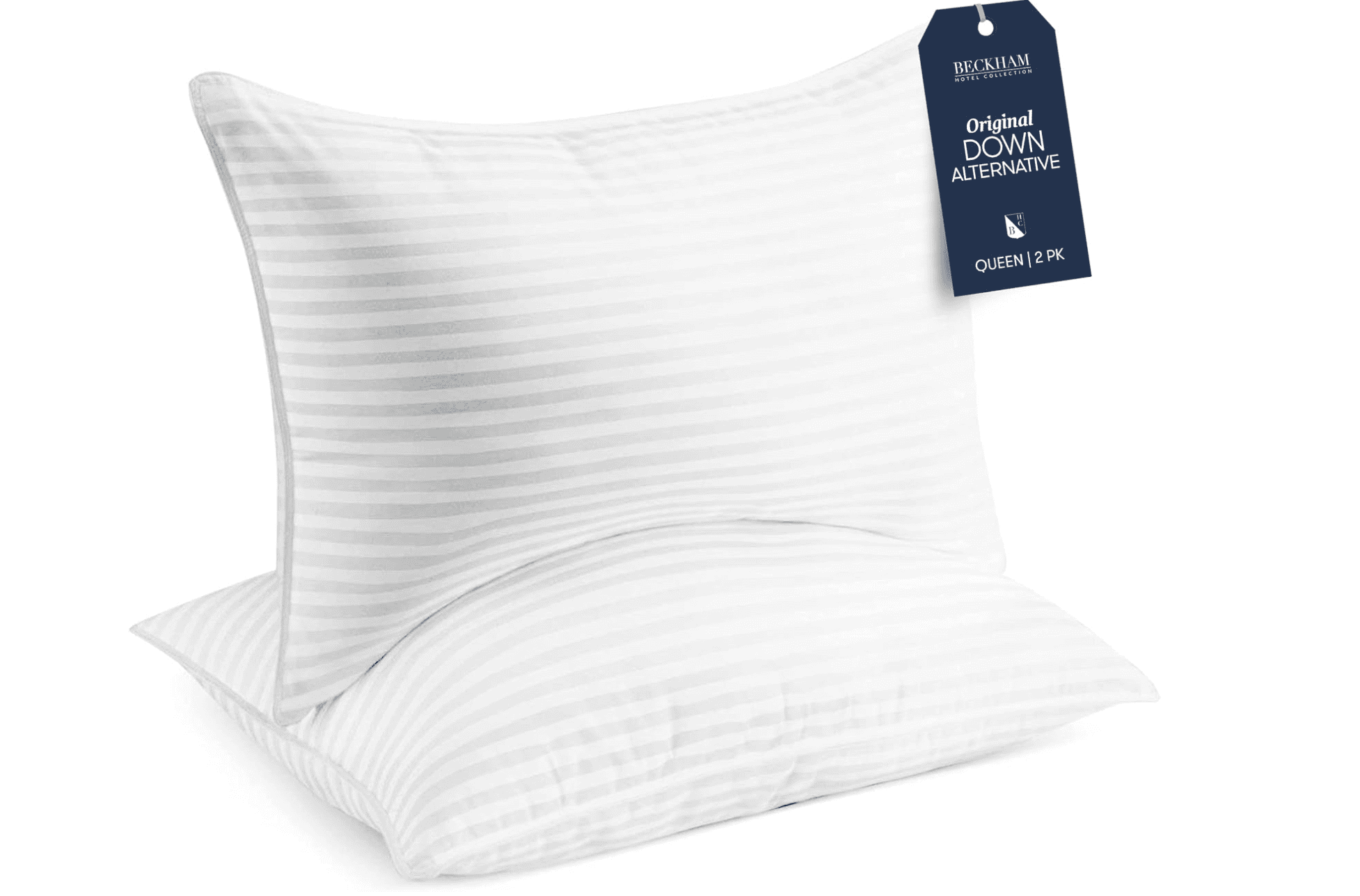
Here’s another highly rated pillow at a lower price point.
You don’t have to use every one of these for a good night sleep. Even one new tool can make bedtime more enjoyable.
Better sleep isn’t about doing everything perfectly. It’s about small, steady habits that help your body relax and recharge. Choose one simple change to start tonight, such as a calmer bedtime routine, fewer screens, or making your bedroom a little darker and cooler. Every improvement adds up, and you deserve to wake up feeling refreshed and ready for the day.
If you enjoyed this post, please share or consider subscribing.
Source: NAI







And yes the Coop pillow – something your sister recommended !
These are all great tips Lisa
One of my favorite now is the sound machine – who would think what my grandkids use would be something we can’t live without!
Yes, it’s a must! 😊
Same here! I can’t sleep without my sound machine!
Thank you Lisa for all the great tips.
You’re so welcome! 😊
I love my Coop pillow! Your sister recommended it on her blog. Worth the money.
Enjoy your family time!!!
Good to know! Thank you. 🙂
Enjoyed your post. Sleep has always been an issue for me. Enjoy your time with your family this weekend.
Thank you!
I like this post a lot of great helpful tips here! I have tried every pillow I can think of, does anyone have a pillow they could recommend?
Both of the ones shown have good ratings. It is hard to know until you try one. I’ve been disappointed once or twice!