Resonating Love: Why a Valentine’s Sound Bath Might Be Your New Favorite Ritual
Valentine’s Day is typically associated with candlelit dinners and boxes of chocolates. But this year, my husband and I were invited to try something a little more… unique, lol. We’re joining friends at a local studio for a Sound Bath.
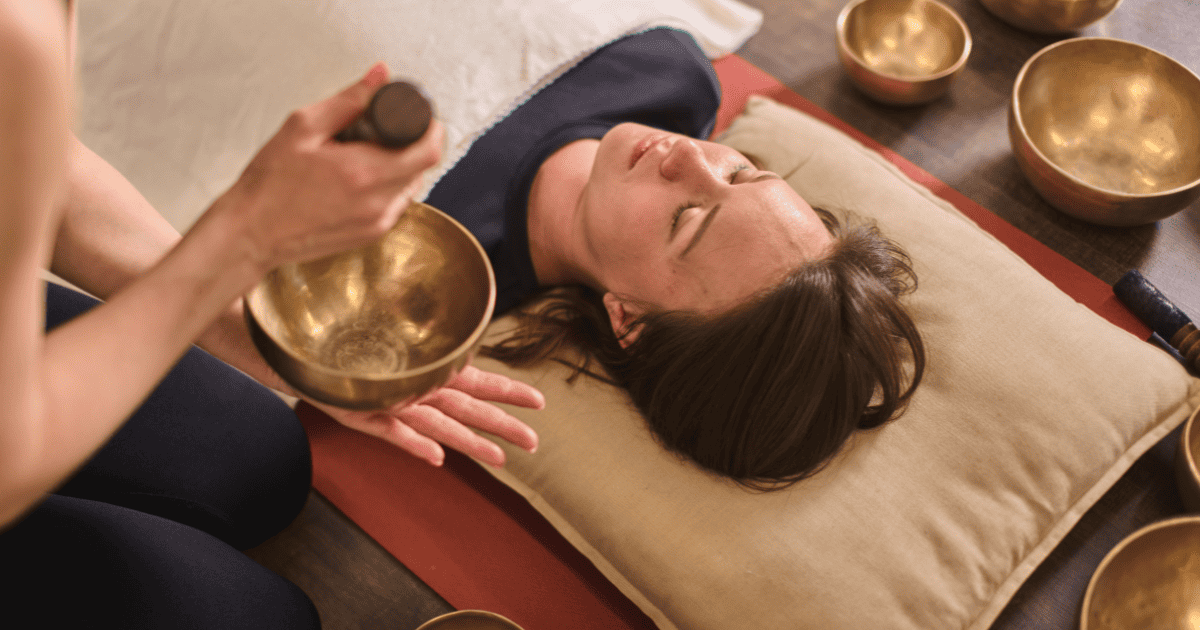
If you’ve never heard of it, don’t worry, neither had we! Thankfully, there’s no water involved! A sound bath is a relaxation experience where you lie down (or sit comfortably) and let the waves of sound from instruments like crystal bowls, gongs, and chimes “wash” over you.
It sounds a bit “New Age,” I know. But, as I started looking into it for our upcoming date, I discovered some interesting science that explains why this practice is so beneficial, especially for those of us 60+.
The Science: It’s More Than Just Pretty Noises
How can sound actually change how we feel?
- The Parasympathetic Nervous System: Our bodies have an “on/off” switch for stress. Most of the time, we’re in “fight or flight” mode. The deep, resonant frequencies of a sound bath help flip the switch to the parasympathetic nervous system, our “rest and digest” mode. This slows the heart rate and lowers blood pressure.
- Brainwave Entrainment: Our brains operate on different frequencies. Fast “Beta” waves happen when we’re busy or stressed. The rhythmic vibrations of singing bowls can actually encourage our brainwaves to slow down into “Alpha” or “Theta” states, the same states we reach during deep meditation or just before falling asleep.
- Nitric Oxide Release: Some research suggests that certain frequencies (like those from tuning forks) can trigger the release of nitric oxide in our cells, which helps with blood flow and can even help reduce chronic pain or inflammation.
Why It’s Great for Older Adults
The best part about a sound bath? There’s no “wrong” way to do it. Unlike a yoga class where you might worry about your knees or your balance, a sound bath only asks you to get comfortable.
- Joint-Friendly: You can participate while lying on a thick mat with pillows under your knees, or even sitting in a sturdy chair.
- Mental Clarity: Many seniors report that it helps “quiet the chatter” in the mind, making it a great tool for those dealing with anxiety or trouble sleeping.
- Connection: Doing this with a partner or a group creates a shared sense of peace that’s hard to find in our busy world.
Bring the “Bath” Home: How to Try It Yourself
You don’t need a room full of expensive crystal bowls to reap the benefits. Here is how you can create your own sound sanctuary at home:
- Find a High-Quality Recording: Look for “Sound Bath” or “Tibetan Singing Bowls” on YouTube or Spotify. Use good headphones or a high-quality speaker to ensure you’re getting the full range of vibrations.
- Set the Scene: Dim the lights, light a lavender candle, and grab your favorite cozy blanket.
- Get Supported: If you’re lying down, place a pillow under your head and another under your knees to take the pressure off your lower back.
- The “Hum” Method: No recording? Try humming! The vibration of your own voice has a similar calming effect on the vagus nerve. Try a long, low “Mmmm” sound for five minutes while sitting quietly.
Setting Up Your Solo Sound Bath
You don’t need a studio to find your “Zen.” If you can’t make it to a local class, you can transform your bedroom or living room into a healing sound space. Here is my checklist for the perfect at-home session:
1. Choose Your “Furniture” Wisely
While many people lie on the floor, your sound bath is about relaxation, not endurance!
- The Recliner Option: A comfortable recliner is actually one of the best ways to experience a sound bath at home. It keeps your head elevated and supports your back.
- The “Supportive” Floor: If you do prefer the floor, use a yoga mat plus a thick comforter on top. Use a bolster or two rolled-up bed pillows under your knees—this flattens your lower back against the floor and prevents aches later.
2. High-Tech vs. No-Tech Audio
The “magic” of a sound bath is in the vibration.
- Headphones are Best: To get the “binaural” effect (where different frequencies play in different ears to balance the brain), use over-the-ear headphones if you have them.
- The Speaker Setup: If you don’t like headphones, place your speaker on a wooden surface (like a coffee table) near you. The wood helps conduct the vibration through the room.
- Search Terms: On YouTube or Spotify, search for “432Hz Sound Bath” or “Crystal Singing Bowls for Sleep.” The 432 Hz frequency is often called the “heart frequency” and is incredibly soothing.
3. Engage the Other Senses
To truly “bathe” in the experience, shut out the rest of the house:
- The Eye Mask: This is the “secret sauce.” Blocking out light helps your brain shift into a meditative state much faster. A simple washcloth over the eyes works perfectly!
- Layer Up: Your body temperature drops when you relax deeply. Even if you feel warm now, have a soft throw blanket nearby to tuck yourself in.
4. The “Exit” Strategy
Don’t rush back to chores the second the music stops.
- The 2-Minute Rule: When the recording ends, sit in silence for at least two minutes. Wiggle your toes and fingers first to “ground” yourself before standing up slowly.
- Hydrate: Drink a full glass of water afterward to help your body process the relaxation.
A Note on Faith and Sound
I did wonder, “Is there anything anti-Christian about this?” It does seem a little out there, lol. While some practitioners use “New Age” language, most people view sound baths as a biological tool for relaxation rather than a religious ritual. Instead of emptying my mind, I’ll be filling it with peace. 🙂
A Valentine’s Challenge
Whether you’re spending the day with a spouse, a friend, or enjoying your own company, give your nervous system the gift of sound. It’s a beautiful way to tune out the noise of the world and tune into yourself.
Have you ever tried a sound bath? I’d love to hear about your experience in the comments below! (Scroll all the way to the bottom to find the comment section.)
Further Reading: AARP




Sounds really relaxing. I would definitely give this a try.
I’ll let you know how it goes!