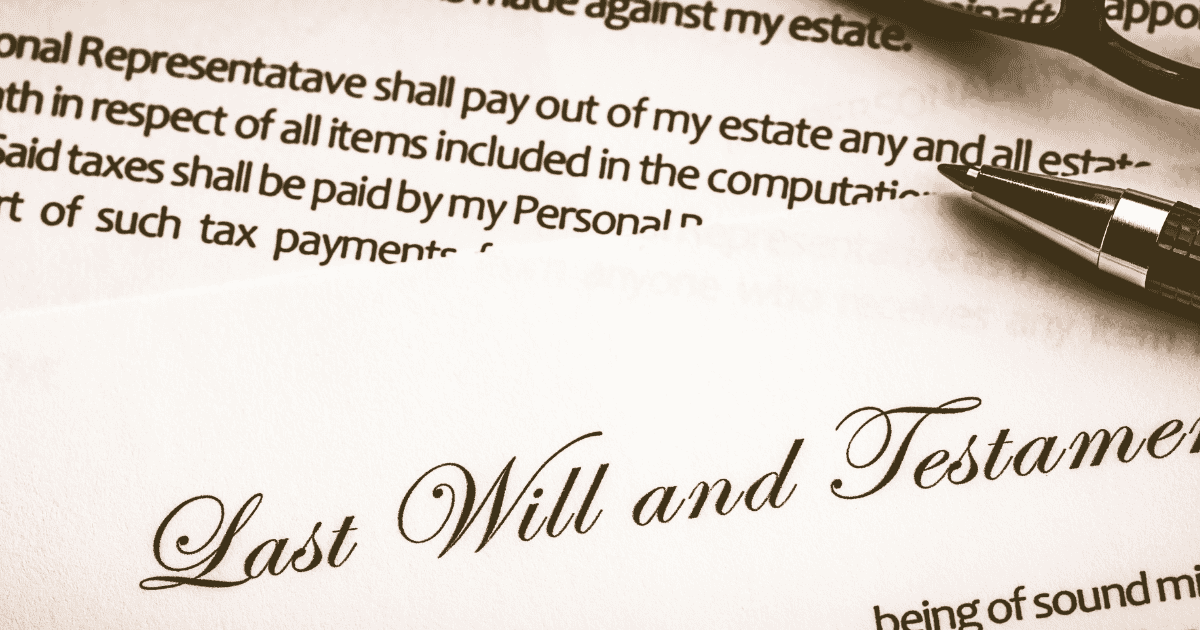
The Ultimate Gift: Why Your Will Is the Most Important “Love Letter” You’ll Ever Write
We spend a lifetime building a life we’re proud of. We create homes filled with memories, raise families we cherish, and try to make thoughtful decisions about money and the future. And yet, there is one important task that even the most organized among us tend to delay: creating, or updating, a will.
- Why Cinnamon May Be A Great Thing For Your Health
- The Golden Glow: Why Protein is the Secret to Staying Strong After 60
It’s understandable. Thinking about a will can feel uncomfortable because it forces us to think about “the end.” But at Living Well for Seniors, we like to look at it differently. A will isn’t really about death. It’s about love, clarity, and taking care of the people who matter most. Whether you’ve never created one or you wrote one years ago and haven’t looked at it since, this is one area of life that deserves your attention now, not later.
If You Don’t Choose, the State Will
This is the part most people don’t realize. If you pass away without a will (called dying intestate), the state steps in and decides how your assets are distributed based on a fixed formula. That formula may not reflect your wishes at all.
According to American Bar Association, state intestacy laws determine who inherits your property when no will is in place, and they do not account for personal relationships, promises, or sentimental items. The state doesn’t know that you wanted your granddaughter to have your engagement ring, or that you intended to leave something special to a close friend or favorite charity.
Creating even a simple will allows you to:
- Decide exactly who receives your assets
- Name someone you trust to carry out your wishes
- Prevent unnecessary confusion or delays
It puts you, not the government, in control.
It’s a “Stress Shield” for Your Family
One of the greatest gifts you can leave behind isn’t financial, it’s clarity.
When families lose someone they love, emotions are already high. The last thing they need is uncertainty about what happens next. Without clear direction, even the closest families can feel overwhelmed or unsure of what to do.
A will provides a roadmap.
Research from AARP consistently highlights that estate planning helps reduce stress, confusion, and potential conflict among surviving family members. When your wishes are clearly written, your loved ones don’t have to guess or second-guess. They can focus on healing instead of logistics.
The “Dusty Document” Problem: Why Updating Matters
Many people feel a sense of relief once they’ve created a will, and understandably so. But a will isn’t something you can file away and forget forever.
Life changes, and your will should reflect those changes.
According to Consumer Financial Protection Bureau, it’s important to review estate documents periodically, especially after major life events such as relocation, changes in family structure, or shifts in financial circumstances.
Here are a few signs it may be time for a review:
- Your family has grown
New grandchildren or great-grandchildren may not be included - Your chosen executor may no longer be the best fit
Health, location, or circumstances may have changed - You’ve moved to a different state
Laws vary, and your will should align with your current state - Your financial picture has changed
You may have bought or sold property or shifted investments - You have digital assets
Online accounts, photos, and financial tools should be accounted for
A good rule of thumb is to review your will every few years or after any major life event.
Why the Original Document Matters More Than You Think
This is something many people don’t realize until it’s too late.
In most cases, the original signed will is required for probate. Courts often want to see the original document, not just a copy, because it proves authenticity and confirms that it hasn’t been altered. According to guidance from the American Bar Association, if the original will cannot be found, it may be presumed revoked, which can create delays, legal challenges, or even cause your estate to be handled as if no will existed.
That’s why where, and how, you store your will matters just as much as creating it.
The “Where Is It?” Conversation Most People Forget
A perfectly written will does no good if no one can find it.
Once your will is complete or updated:
- Keep the original in a safe but accessible place (such as a home safe or with your attorney)
- Tell your executor exactly where the original is stored
- Consider giving a copy to your executor or a trusted family member
- Avoid storing it somewhere that becomes inaccessible after death (like a locked safe deposit box without shared access)
The goal is simple: protect the document, but make sure it can be accessed when needed.
A Simple Review Checklist
If you already have a will, here are a few things worth checking:
- Named beneficiaries — Do they still reflect your current relationships?
- Major assets — Have you bought or sold property since it was written?
- Executor — Is this still the right person, and are they willing to serve?
- Power of attorney — Have you designated someone for medical and financial decisions?
- Charitable wishes — Does your will reflect the causes you care about today?
Even small updates can make a big difference.
Your Next Step
You don’t have to figure everything out today. If you don’t have a will, start by gathering your information and exploring your options, whether that’s working with an attorney or using a reputable online service. If you already have one, take it out and read through it with fresh eyes. Ask yourself if it still reflects your life today.
This doesn’t have to be overwhelming. It’s simply a matter of taking one step at a time.
A will is more than a legal document. It’s your final word on what matters most. It reflects your values, your relationships, and the life you’ve built. When everything is clearly written and thoughtfully prepared, it allows your family to focus less on logistics and more on what truly matters, remembering you with peace, not confusion.
Disclaimer
This article is for informational purposes only and is not intended as legal advice. Estate planning laws vary by state, and individual circumstances differ. For guidance specific to your situation, consider consulting a qualified attorney or estate planning professional.






I still have yearly mammograms glad yours wasn’t normal and thank you. We still need to prepare a will.
Thank you. Yes, it’s important!
We made our will and feel at peace that this is done!
Also made a list where the kids can find all our important documents and doctors names and lawyer names etc!
That is so good. It took us a long time to find my mother-in-laws, and we didn’t find my father-in-laws at all. :(\
I am 75 and still get my yearly mammogram! I have lost two of my best friends in the last few years to breast cancer.
We just updated our will, because we have added three grandchildren since we first did it. We hired a professional who specializes in wills, not just our lawyer this time. They know more about trusts and ways to protect your money than the average lawyer.
So smart!