
Face Oil vs. Moisturizer After 60: What Dry Winter Skin Actually Needs

The furnace kicks on, and within a week, skin that felt fine in September starts to feel tight by mid-afternoon. Foundation settles into lines it never used to find. Hands look papery. For many women 60+, fall is when dry skin stops being an occasional annoyance and becomes a daily one.
The usual fix is to reach for a heavier cream or to add a face oil. Both can help. But they do different jobs, and knowing the difference is what turns a crowded bathroom shelf into a routine that actually works.
Why Skin Gets Drier After 60
Skin produces less of its own oil with age, and that decline speeds up after menopause as estrogen drops. The outer layer of skin also holds onto less of the natural fats, such as ceramides, that keep moisture from escaping. Thinner skin loses water faster.
Then the weather turns. Indoor heating pulls humidity out of the air, and dry air pulls water out of skin. The result is the tight, flaky, slightly itchy feeling that shows up every October.
Oil or Moisturizer? The Short Answer
A moisturizer and a face oil are not interchangeable.
A good moisturizer does two things at once. It contains ingredients like glycerin or hyaluronic acid that draw water into the skin, along with fats and oils that help hold that water in place.
A face oil, on the other hand, contains no water at all. Oils are excellent at softening skin and sealing in what’s already there, but they can’t add hydration on their own. Oil applied to dry skin can leave it feeling slick on the surface and still tight underneath.
So for most dry skin, the answer isn’t one or the other. It’s both, in the right order: water first, cream next, oil last.
Step One: Rethink the Cleanser
A foaming cleanser that felt great in July can strip skin in January. Cooler months are a good time to switch to something creamier.
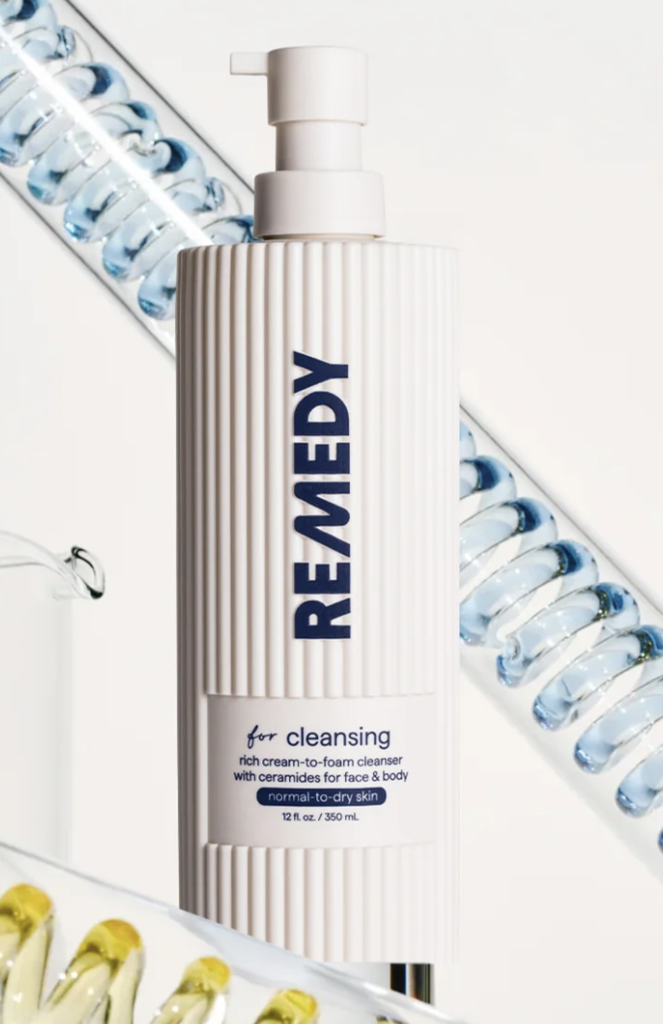
Remedy Skin’s Remedy for Rich Cream Cleansing is a cream cleanser that comes in a 12-ounce pump bottle, which is easy to use with wet hands.
For something that feels a bit more like a traditional wash, the brand’s cream-to-foam cleanser with ceramides lathers lightly without the squeaky-clean finish.
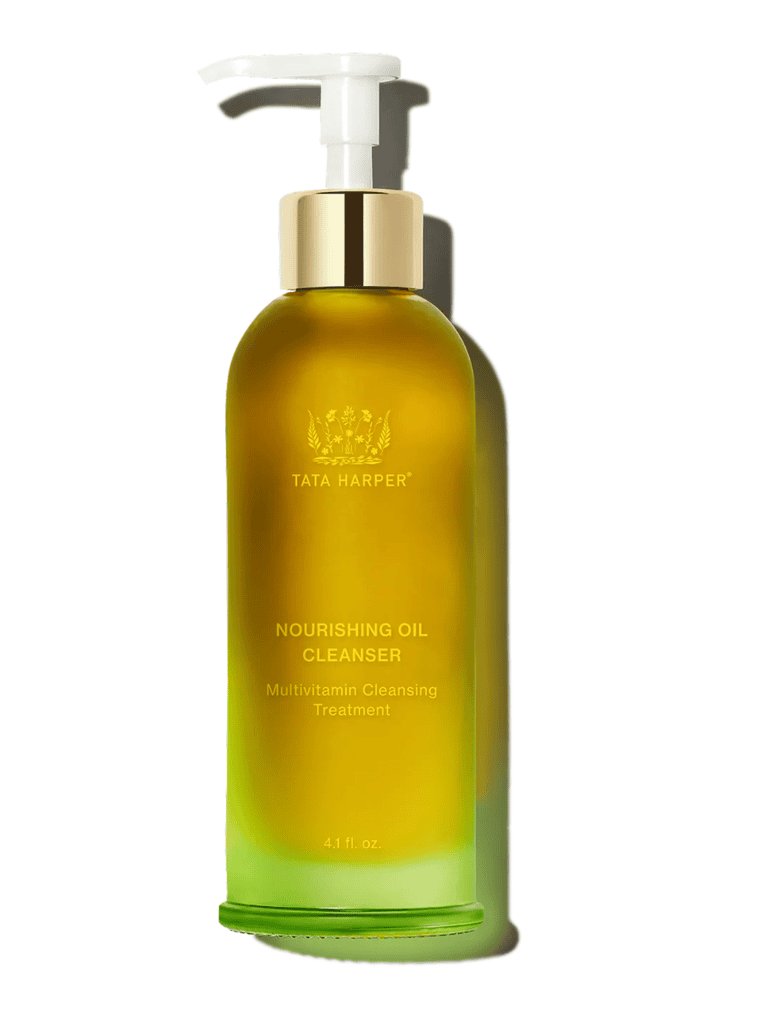
An oil cleanser, like Tata Harper’s Nourishing Oil Cleanser, is another option for very dry skin and melts away makeup at the same time.
Lukewarm water matters too. Hot water feels good on a cold morning, but it strips skin’s natural oils faster.
Step Two: Add Water First
Apply skincare to skin that’s still slightly damp, either right after cleansing or after a spritz of facial mist. Damp skin absorbs what comes next more easily, and that’s the water the cream and oil will hold in place.
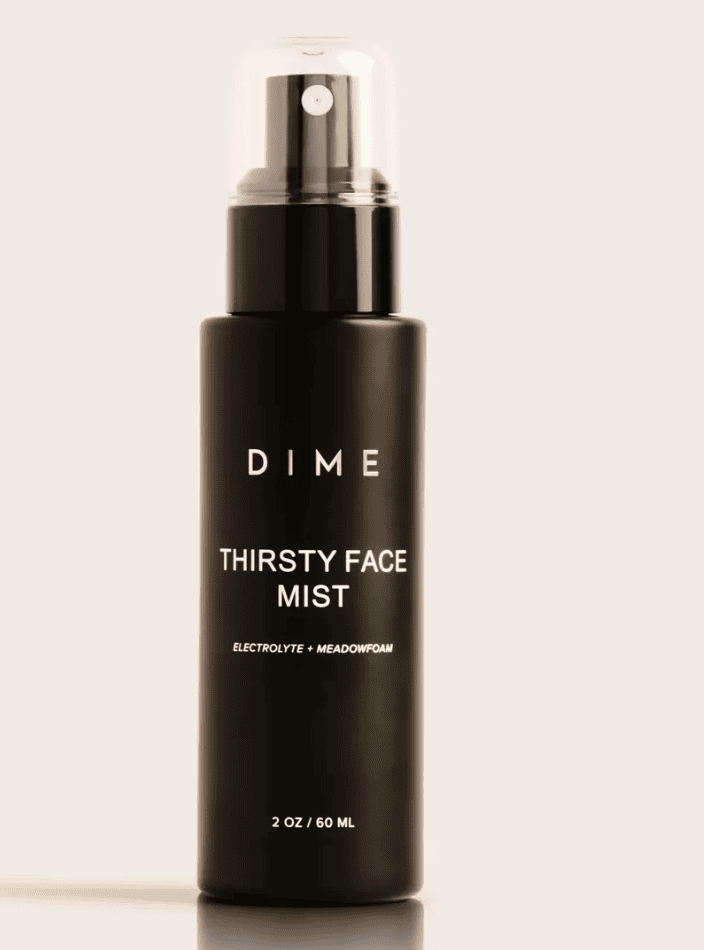
DIME’s Thirsty Face Mist is made for exactly this step, and a quick spray also refreshes skin midday over makeup.
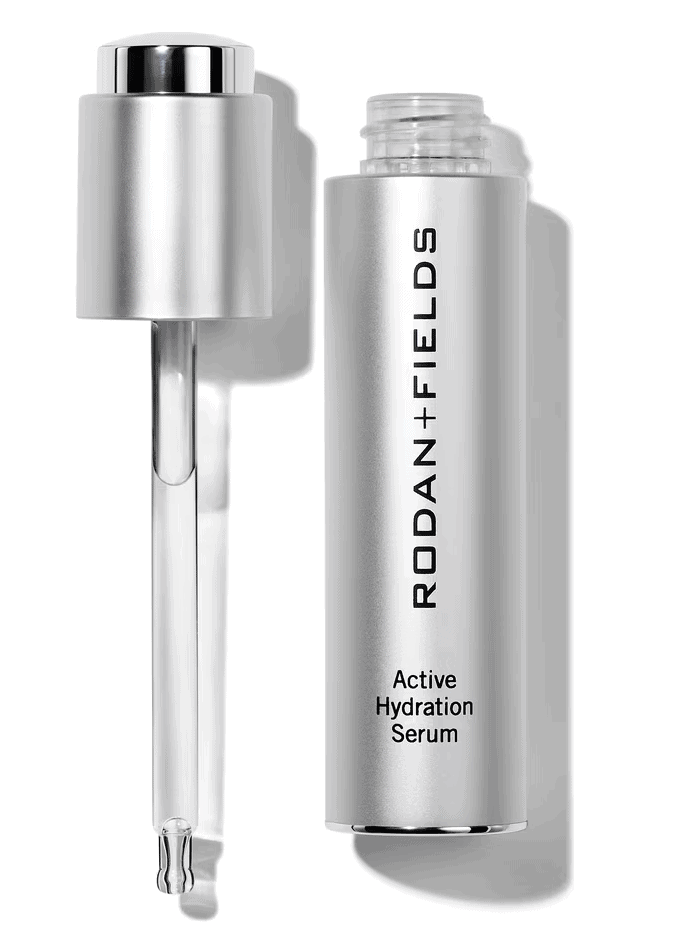
A hydrating serum such as the Rodan + Fields Active Hydration Serum with Hyaluronic Acid can go on next, before the moisturizer. Hyaluronic acid draws water into the skin, which is exactly what the cream will then lock in.
Step Three: The Cream
This is the workhorse of the routine, the step that both adds moisture and helps keep it there.
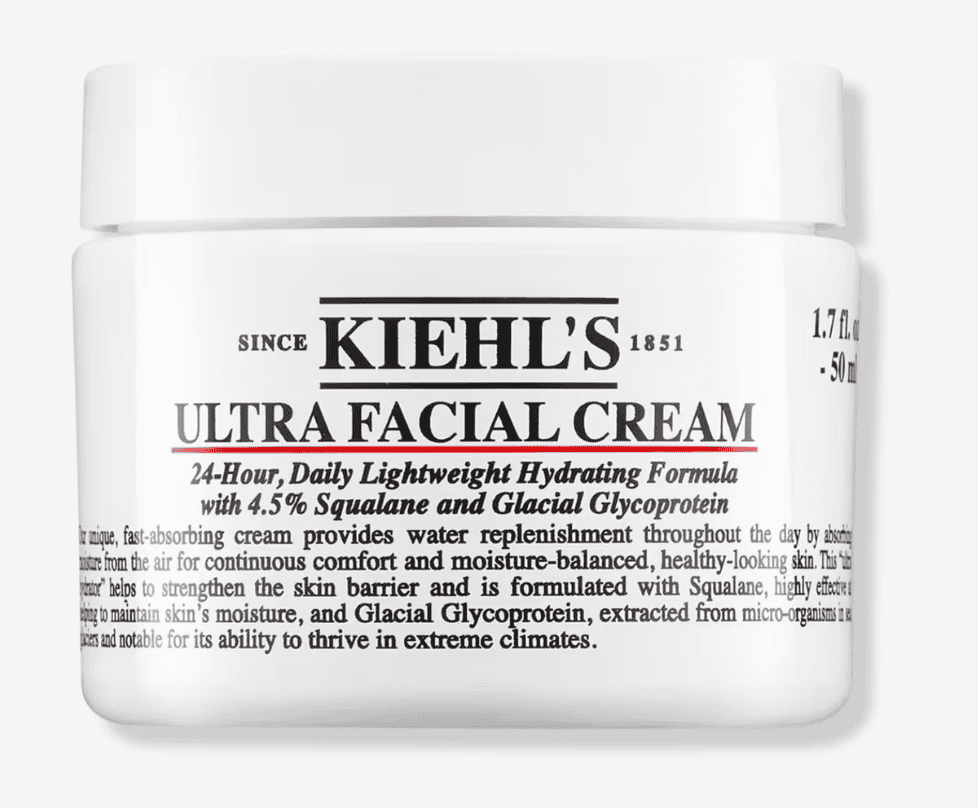
Kiehl’s Ultra Facial Cream with Squalane is a long-standing favorite for good reason. Squalane closely resembles the oils skin makes on its own, so the cream softens without feeling greasy.
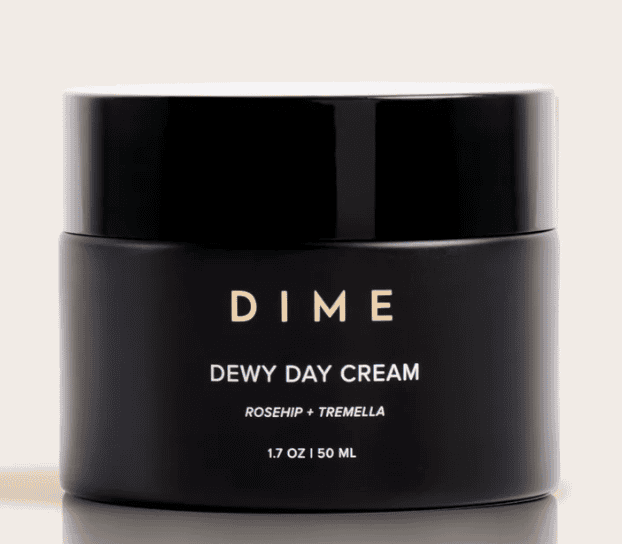
DIME’s Dewy Day Cream is a daytime option that sits well under makeup.
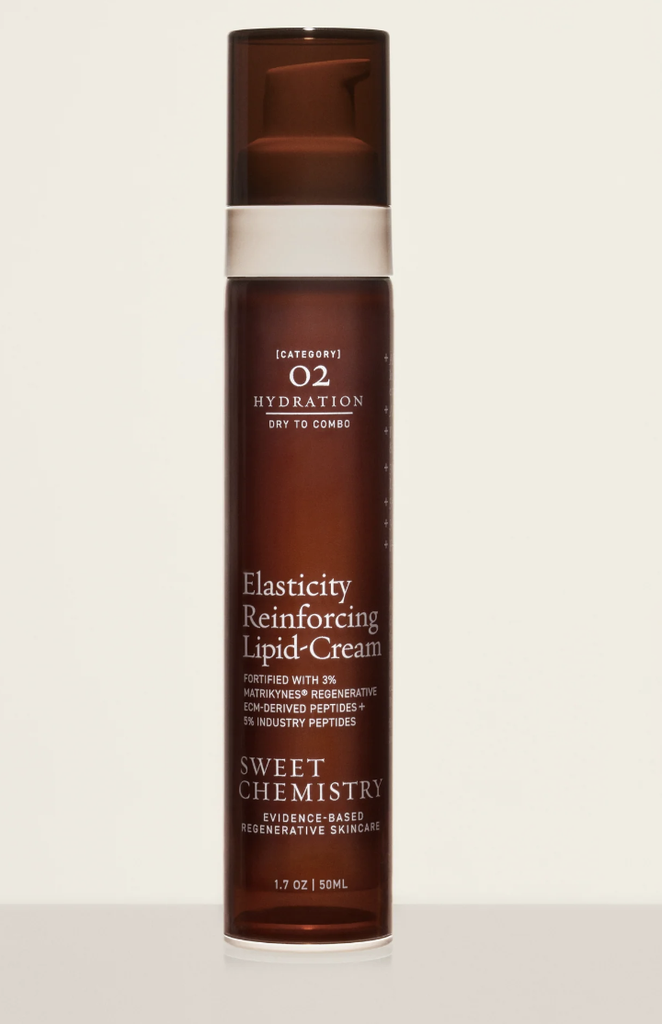
For skin that needs more, Sweet Chemistry Labs’ Elasticity Reinforcing Lipid-Cream is a look. The second is built around lipids, the same family of fats that thins out in mature skin.
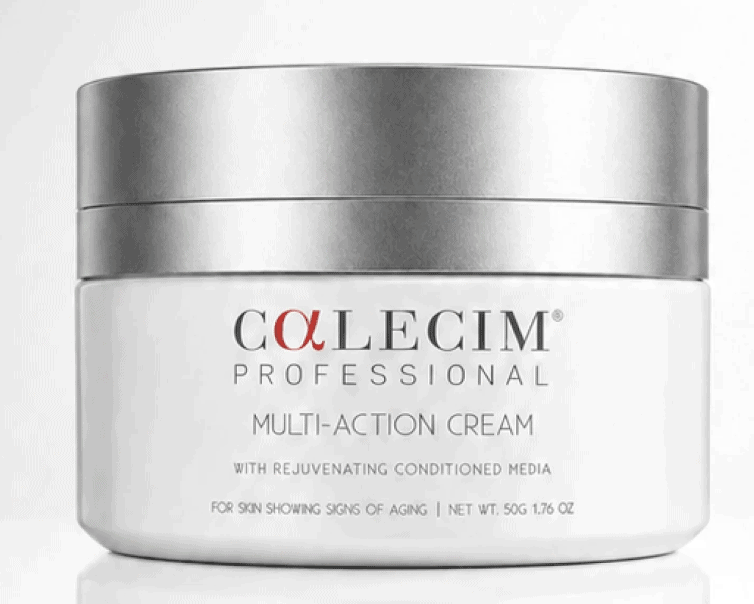
Calecim’s Multi Action Cream is another option in the richer category.
Step Four: Seal It With Oil
A few drops of face oil, pressed over the moisturizer, act like a lid. Oil slows the water loss that dry indoor air speeds up, and it gives skin a soft, healthy sheen that reads as glow rather than grease when used sparingly. Two or three drops is plenty for the whole face.
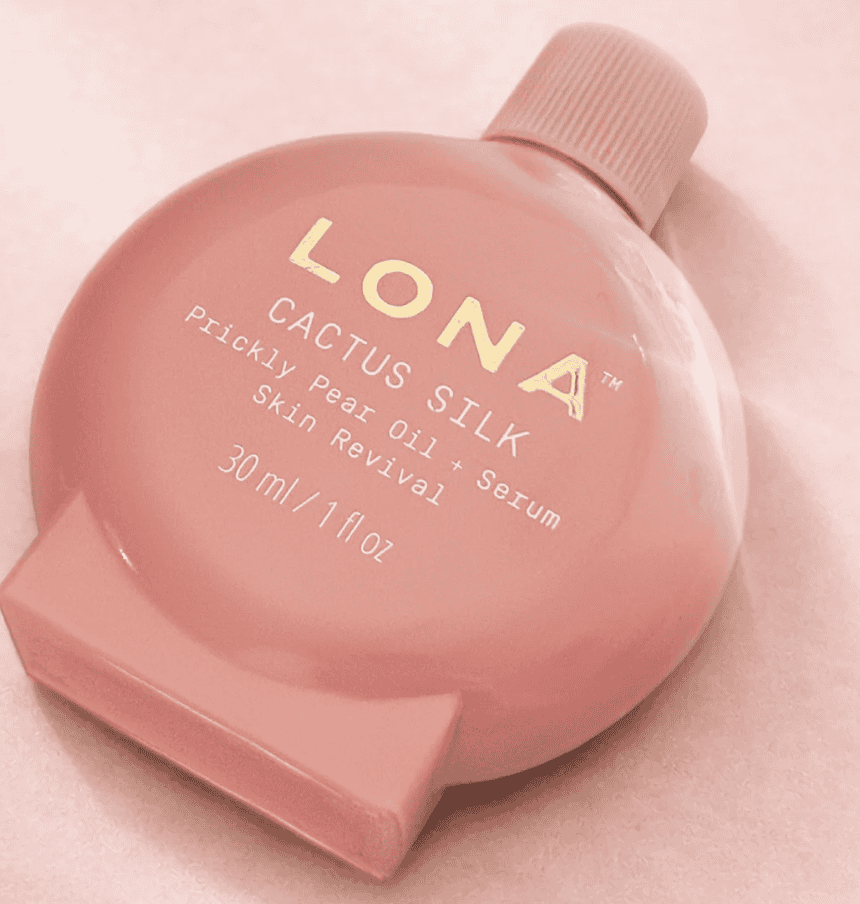
Prickly pear seed oil has become a favorite in this category. It’s lightweight and absorbs quickly, so it works for women who don’t like the feel of heavier oils.
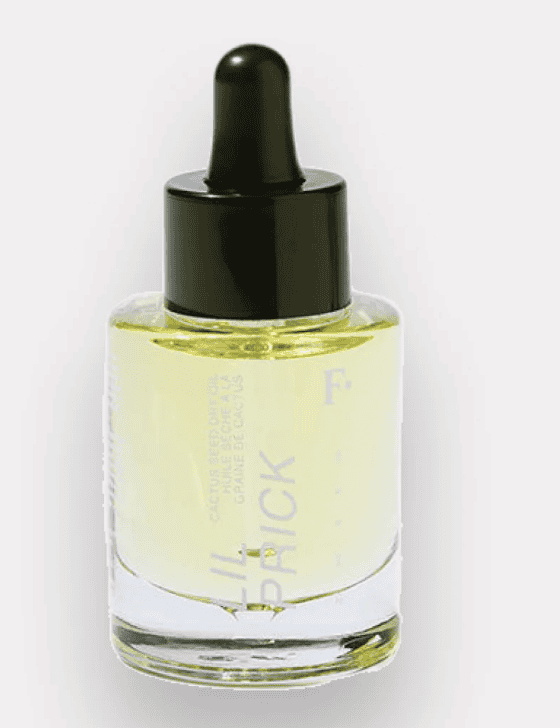
Freck’s Lil Prick and LONA’s Cactus Silk Prickly Pear Oil + Serum are both built around it.
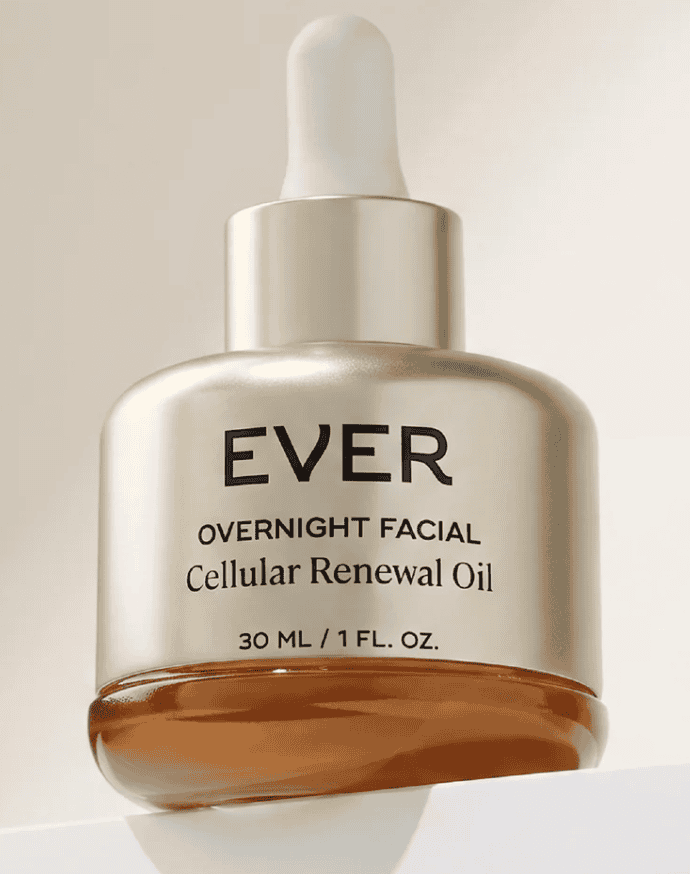
For nighttime, when skin has hours to soak in a richer treatment, EVER’s Overnight Facial Cellular Renewal Oil is designed to go on as the last step before bed.
One tip: if a separate oil step feels like too much, mix a drop or two straight into the moisturizer before applying. The effect is similar with one less step.
On the Roughest Nights: Something Richer
Some days ask more of skin than others: after travel, a windy afternoon outdoors, or a week of running the heat nonstop. On those nights, it helps to swap the everyday moisturizer for a richer night cream, so skin gets a full night to recover.
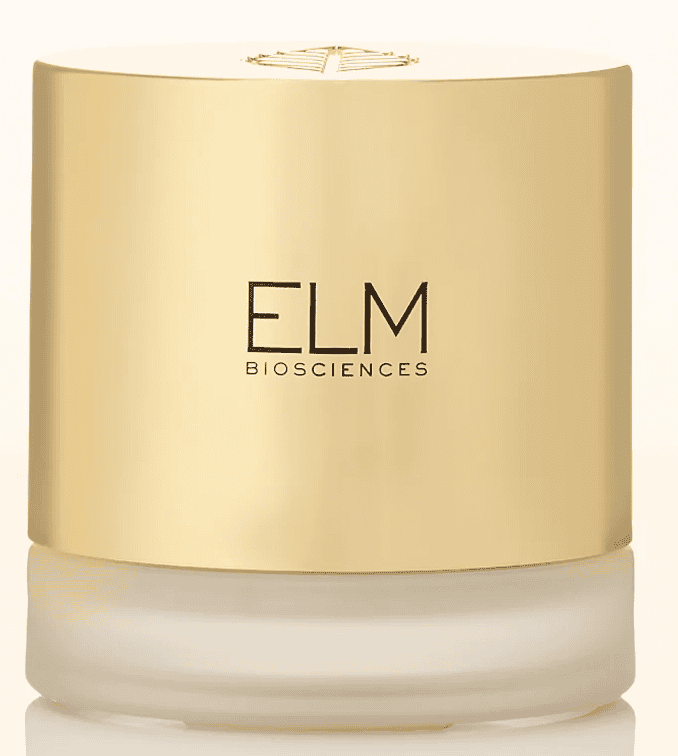
Elm Biosciences’ A3o Elemental Night Cream is made for exactly this kind of evening treatment. Apply it after any serum, and finish with a drop of face oil on the driest areas if skin still feels tight.
Don’t Forget Hands and Body
Hands are often the first place dry air shows up, and frequent hand-washing in cold and flu season makes it worse. A thick hand cream applied after every wash helps, and one at bedtime helps even more.
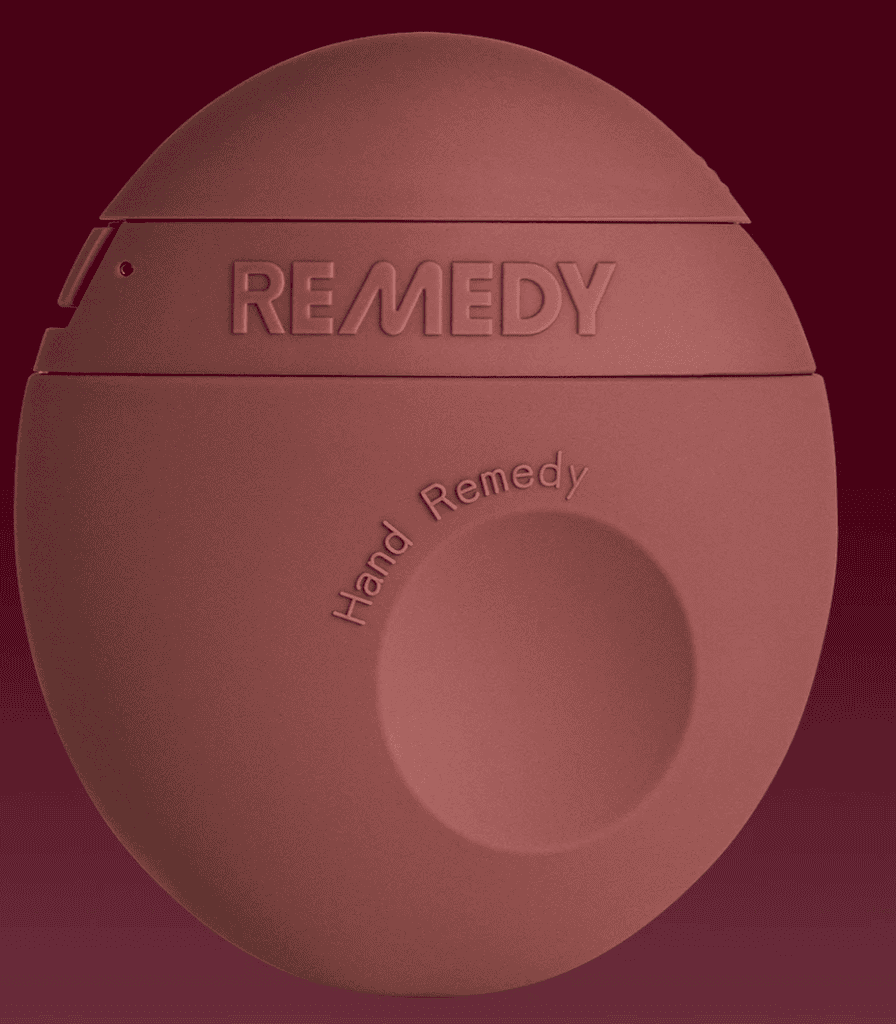
Remedy Skin’s Hand Remedy Advanced Hand & Cuticle Butter Cream treats cuticles too, which tend to crack in winter.
For the body, the same water-then-seal idea applies.
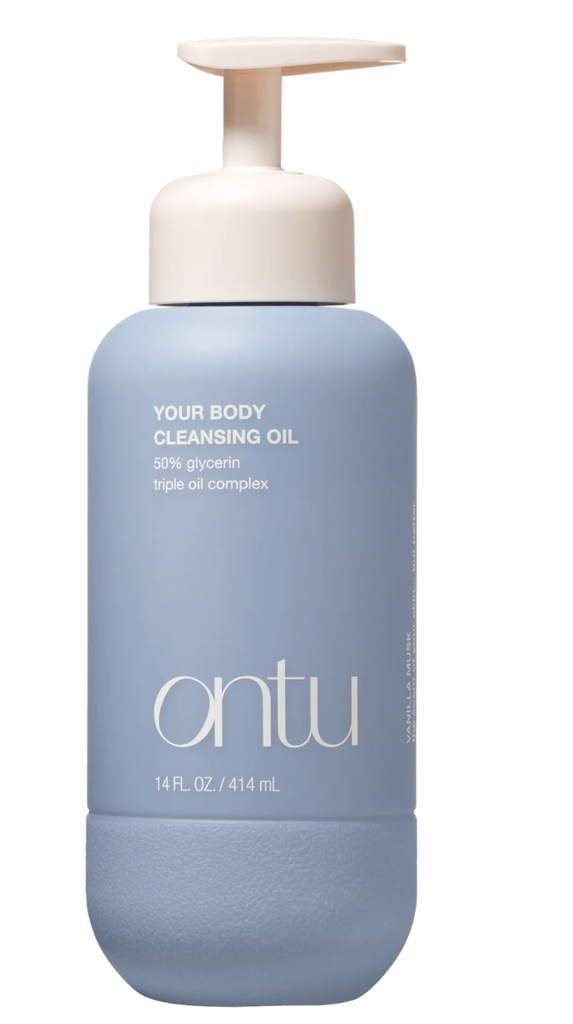
A cleansing oil like Unlu’s Your Body Cleansing Oil in the shower is gentler than bar soap.
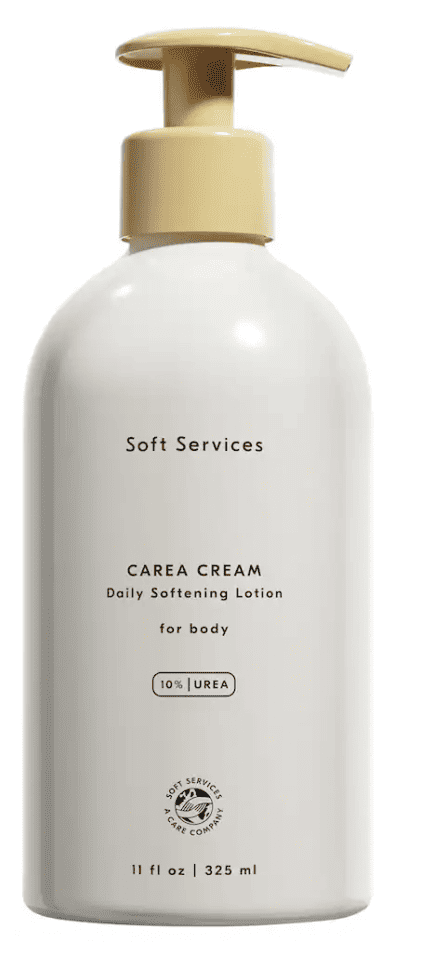
Follow it with a lotion like Soft Services’ Carea Cream within a few minutes of toweling off, while skin is still damp.
A Few Habits That Help
Skincare does a lot, but the environment matters too. Several small changes make a noticeable difference over a winter:
- Run a humidifier in the bedroom overnight, when skin spends eight hours in dry indoor air.
- Keep showers short and lukewarm rather than long and hot.
- Pat skin dry instead of rubbing, and apply moisturizer right away.
- Drink water steadily through the day. It won’t fix dry skin on its own, but dehydration makes it worse.
When Dry Skin Isn’t Just Dry Skin
Most winter dryness responds to a better routine within a couple of weeks. But persistent itching that keeps you up at night, skin that cracks or bleeds, red or scaly patches that don’t improve, or a rash are worth showing a dermatologist. Conditions like eczema and some medication side effects can look like ordinary dryness at first, and they’re much easier to treat once they have a name.
The Bottom Line
Dry skin after 60 is common, and it isn’t a sign of doing anything wrong. Skin simply makes less of its own moisture than it used to, and winter air asks more of it. A gentle cleanser, a little water, a good cream, and a few drops of oil on top add up to a routine that gets through the dry months comfortably.






Lisa! Thank you for all this helpful information! I will be 64 on the 29th and boy, has my skin changed over the past couple years! I will definitely check some of these products out!
Happy Friday ❤️❤️❤️
PS the save/splurge was the same as Wednesday
I’m glad you found it helpful! I sent the wrong link. UGH. Today’s is here: https://livingwellforseniors.com/living-well-fun-finds-and-save-or-splurge-2/ Sorry!