Shorter Days, Lower Mood: Simple Ways to Beat the Post-Clock-Change Slump After 60

The clocks fell back on Sunday, and now it is dark before dinner. For a lot of women, that first week brings more than a scheduling adjustment. Energy dips, afternoons feel long, the couch gets more appealing, and a low, flat mood settles in that is hard to name.
That is not imagination. Roughly 1 in 20 adults experience seasonal affective disorder (SAD), a form of depression tied to the darker months, and millions more feel a milder version often called the winter blues. The good news: the slump responds well to some simple, practical changes, and most of them cost little or nothing.
Why Shorter Days Can Hit Harder After 60
Light is the main signal that sets the body’s internal clock, and that clock influences sleep, energy, and mood. When daylight shrinks, the signal weakens.
Several things can make that weaker signal even weaker after 60. The lens of the eye naturally yellows and thickens with age, and pupils tend to get smaller, so less light reaches the back of the eye than it did decades ago. Many women also spend more time indoors once the weather turns, and retirement can remove the built-in structure of a morning commute that once pushed everyone out the door in daylight.
Put together, that means the same short November day can deliver noticeably less light at 65 than it did at 35. The fixes below focus on getting more of the right light at the right time, and on keeping the routines that steady mood.
1. Get Bright Light Early in the Day
Morning light does the most good. Open every curtain and blind as soon as you are up, and take your coffee or breakfast to the brightest window in the house. Even on a cloudy day, outdoor light is far brighter than typical indoor lighting, so a short walk before 10 a.m. counts for a lot. A 20-minute loop around the neighborhood does double duty as exercise.
2. Consider a Light Therapy Lamp
Light therapy lamps, often called SAD lamps, are one of the most studied tools for seasonal mood dips. The usual approach is to sit near the lamp for about 30 minutes each morning, ideally soon after waking, while you read, eat breakfast, or check email. You do not stare into it; it simply sits off to the side and slightly above eye level. Many people notice a difference within the first week or two.
What to look for when shopping:
- 10,000 lux at the recommended sitting distance. This is the brightness used in clinical studies. Many cheaper lamps only hit that number when your face is a few inches away, so check the distance listed.
- UV filtering. A good lamp blocks ultraviolet light.
- A larger screen. A bigger light surface is more forgiving. With a small panel, shifting in your chair can drop you out of the bright zone.
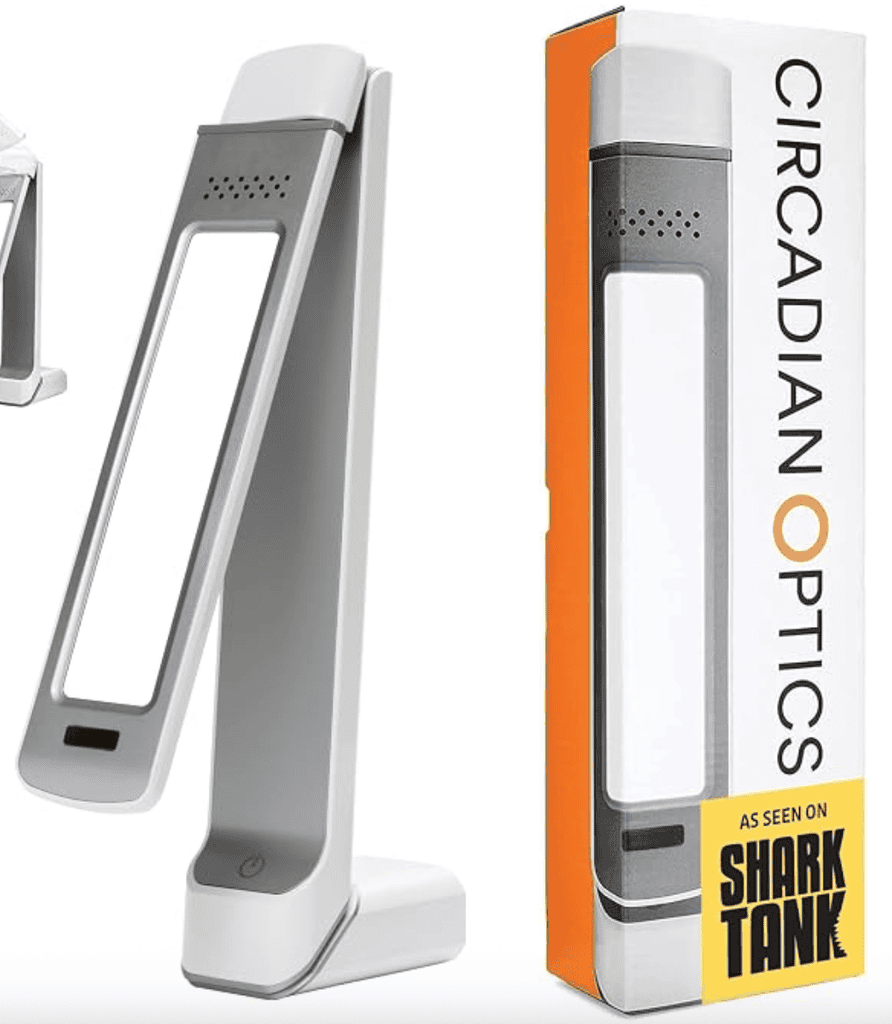
Shop 10,000-lux light therapy lamps
A note before buying: check with your doctor or eye doctor first if you have macular degeneration, glaucoma, diabetic eye disease, or another retinal condition, if you take medications that increase light sensitivity, or if you have a history of bipolar disorder. Light therapy is generally gentle, but those situations call for a professional’s input.
3. Wake Up to a Sunrise, Even in the Dark
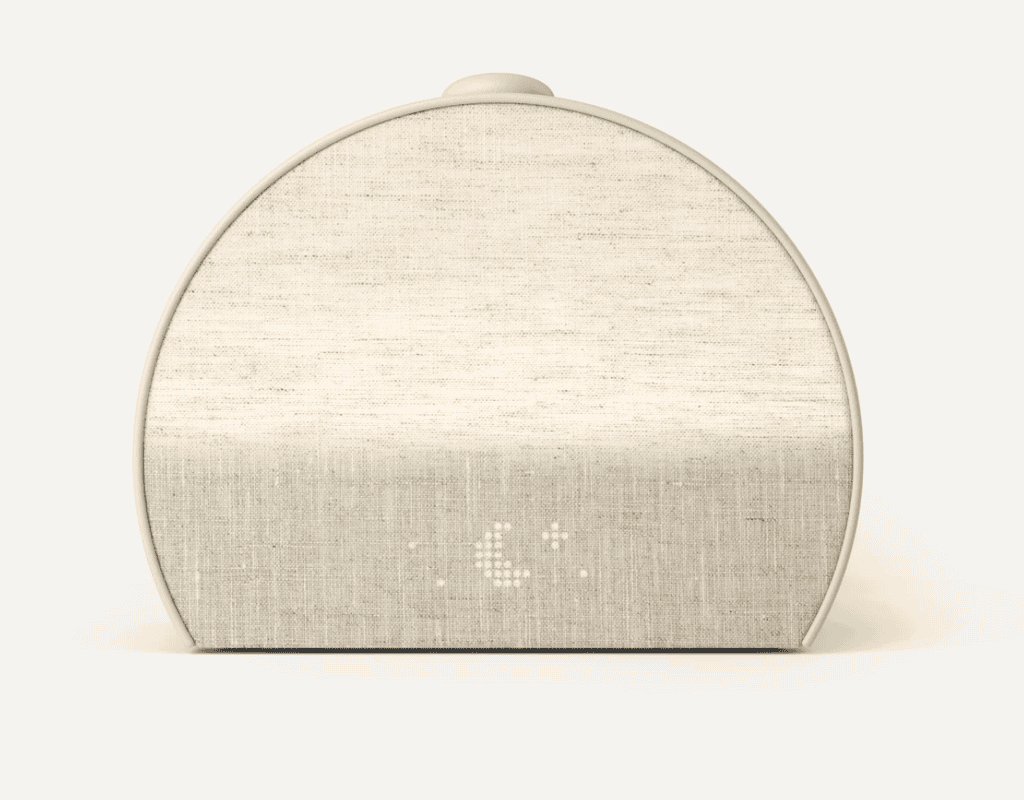
A sunrise alarm clock, also called a dawn simulator, slowly brightens over about 30 minutes before your wake time, mimicking a natural sunrise in your bedroom. Waking to gradual light instead of a jarring buzzer in a pitch-dark room can make winter mornings feel far less grim. Research suggests dawn simulation can help with milder seasonal symptoms, and many people simply find it a nicer way to start the day.
Look for a model with an adjustable sunrise length, a light that gets genuinely bright at the end of the cycle, and large, easy-to-read buttons.
4. Keep the Same Wake-Up Time Every Day
It is tempting to sleep in when it is still dark at 7 a.m., but a drifting schedule tends to make the slump worse. Getting up at the same time every day, weekends included, gives your body clock a steady anchor. Pair that wake time with your morning light, whether that is a lamp, a window, or a walk, and the two work together.
5. Move While the Sun Is Up
Exercise is one of the most reliable mood lifters at any age, and doing it outdoors in daylight gives you a light boost at the same time. If midday is your warmest, brightest window, schedule your walk, errand run, or garden cleanup then rather than waiting until late afternoon, when the light is already fading.
6. Brighten Your Favorite Indoor Spots
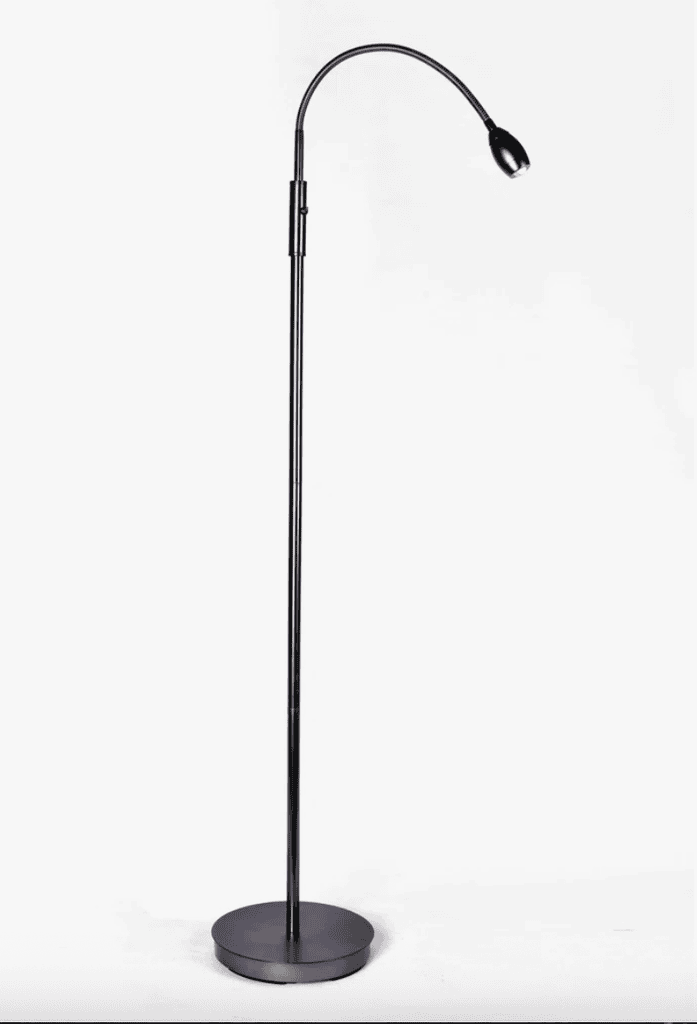
The corner where you read, knit, or do puzzles deserves good light, especially now. A daylight-style floor or task lamp makes those long evenings feel less dim and is easier on aging eyes. Just switch to softer, warmer lighting an hour or two before bed so your body still gets the signal that it is time to wind down.
7. Put Something on the Calendar
Shorter days have a way of shrinking social life, too. Fight back with plans: a standing lunch with a friend, a weekly class, a church group, or a phone call you look forward to. Small daily rituals help as well.
8. Ask About Vitamin D at Your Next Checkup
Less sun means less vitamin D made in the skin, and the skin becomes less efficient at producing it with age. Low levels are common in older adults, especially in winter. Rather than guessing at a supplement dose, ask your doctor whether a simple blood test makes sense for you.
When It Is More Than the Winter Blues
Feeling a little sluggish in November is common. Feeling persistently sad, hopeless, or uninterested in things you usually enjoy is not, and it is not a normal part of getting older. Talk to your doctor if low mood lasts more than two weeks, if you are sleeping much more or much less than usual, if your appetite has changed noticeably, or if everyday tasks feel like too much. Seasonal depression is very treatable, and light therapy is often used alongside other options a doctor can recommend.
If you or someone you love is struggling or having thoughts of self-harm, call or text 988 to reach the Suicide & Crisis Lifeline, available 24 hours a day.
The Bottom Line
The days will keep getting shorter until late December, but the slump does not have to come along for the ride. Bright light early, a steady wake time, daylight movement, and a few things to look forward to go a long way. Start with one or two this week, and by the time the days start lengthening again, you may find this was the easiest winter in years.