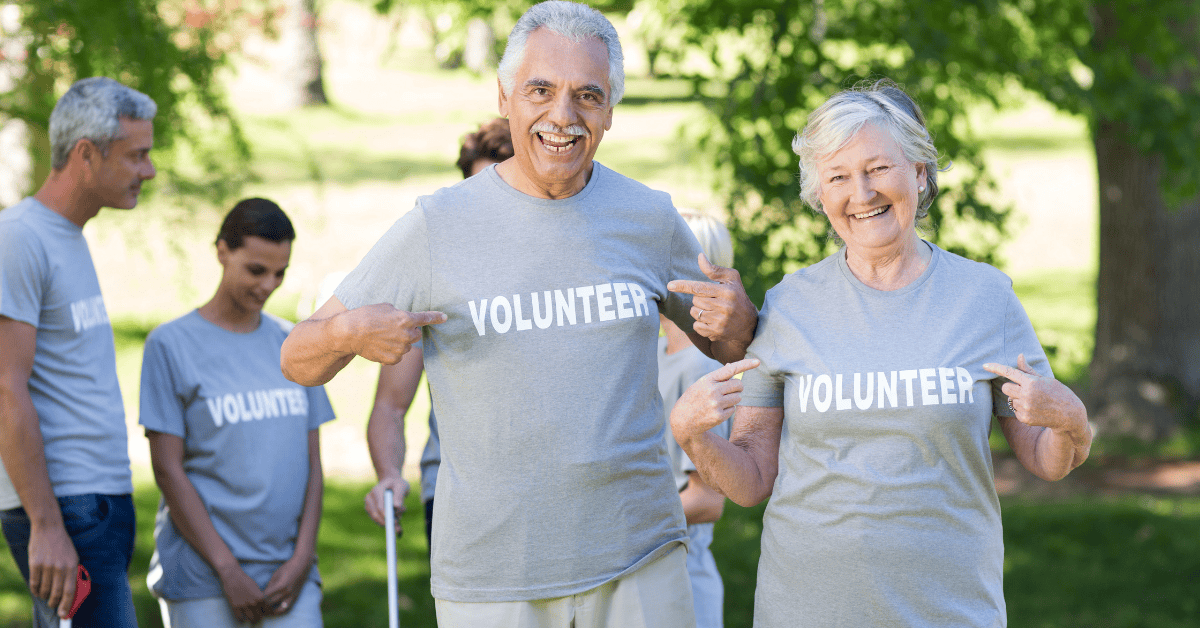
The Mental Health Benefits of Volunteering As Seniors
Retirement is often seen as a time to relax, travel, and spend more time with family. While these are all wonderful aspects of later life, many seniors find that staying active and engaged in meaningful activities can bring even greater fulfillment. One of the best ways to stay connected and mentally stimulated is through volunteering.
Volunteering offers seniors a sense of purpose, keeps the mind sharp, and promotes emotional well-being. Whether it’s helping at a local food bank, mentoring young people, or working with animals, giving back has significant mental health benefits. Let’s explore how volunteering can enhance the mental and emotional well-being of seniors.
The “Why” of Volunteering
1. Provides a Sense of Purpose and Meaning
Many seniors struggle with the transition from a busy working life to retirement. Volunteering offers a renewed sense of purpose, allowing seniors to feel needed and valued. Engaging in meaningful activities can boost self-esteem and give life a greater sense of direction.
According to a study published in The Journals of Gerontology, seniors who volunteer experience greater life satisfaction and lower rates of depression than those who do not engage in volunteer work.
2. Reduces Stress and Anxiety
Helping others has been shown to lower stress levels and promote relaxation. Volunteering encourages mindfulness by shifting the focus away from personal worries and onto the needs of others. Engaging in acts of kindness stimulates the brain to release dopamine and serotonin. These are neurotransmitters that enhance mood and reduce anxiety.
A study from the National Institute on Aging found that seniors who volunteer regularly report lower levels of stress and greater overall happiness compared to those who don’t.
3. Decreases Feelings of Loneliness and Isolation
Social isolation is a common challenge among older adults, particularly those who live alone or have lost close friends or family members. Volunteering provides an opportunity to build relationships, meet new people, and strengthen social ties.
Participating in community-based volunteer programs, such as tutoring, hospital assistance, or meal delivery for homebound seniors, fosters social connections. This combats loneliness and improve emotional well-being.
The Mental Health Benefits of Volunteering As Seniors
4. Boosts Cognitive Function and Keeps the Mind Sharp
Engaging in volunteer work can stimulate cognitive function and reduce the risk of dementia. Tasks that require problem-solving, communication, and organization help keep the brain active and engaged.
According to the Alzheimer’s Association, mentally stimulating activities, like volunteering, can help delay cognitive decline. Seniors who remain socially and mentally engaged tend to experience better memory retention and overall brain health.
5. Encourages Physical Activity
Many volunteer opportunities involve some level of physical activity, such as walking, or assisting in community events. Physical movement, even in small amounts, can improve circulation, enhance mobility, and boost overall physical health.
For seniors who want to stay active without rigorous exercise, volunteering offers a fun and meaningful way to incorporate movement into daily life.
6. Improves Emotional Resilience
Life changes, such as losing a spouse or facing health challenges, can take a toll on emotional health. Volunteering provides a constructive outlet for processing grief, adapting to life transitions, and building resilience.
Being part of a supportive community through volunteer work fosters optimism and helps seniors feel more in control of their lives.
7. Increases Self-Confidence and Self-Worth
Many seniors find that volunteering helps them regain confidence, particularly after retiring from long-term careers. Contributing skills and knowledge to a meaningful cause boosts self-worth and reinforces a sense of accomplishment.
Mentoring young people, teaching a skill, or providing guidance to others helps seniors see the lasting impact of their experiences and wisdom.
How to Get Started with Volunteering
If you’re interested in volunteering but aren’t sure where to start, consider these steps:
1. Identify Your Interests and Strengths
Think about causes that matter to you. Do you enjoy working with children, helping animals, or supporting those in need? Choose a volunteer opportunity that aligns with your passions and skills.
2. Explore Local Opportunities
Many organizations welcome senior volunteers, including:
Hospitals and Nursing Homes – Assisting patients, reading to seniors, or providing companionship.
Animal Shelters – Walking dogs, helping with adoptions, or caring for animals.
Libraries and Schools – Tutoring children, assisting with literacy programs, or reading to students.
Food Banks and Meal Programs – Packing food, delivering meals, or assisting with community kitchens.
Community Centers and Religious Organizations – Helping with events, providing support services, or mentoring youth.
3. Start Small and Find the Right Fit
If you’re new to volunteering, start with small commitments and see how you feel. Some organizations allow volunteers to try different roles before committing to a regular schedule.
4. Utilize Online Resources
Websites like VolunteerMatch.org, AARP’s Create the Good, and AmeriCorps Seniors can help you find volunteer opportunities in your area.
5. Make Volunteering Social and Fun
Consider volunteering with a friend or joining a group. Shared experiences make the activity even more enjoyable and fulfilling.
Volunteering is a powerful way for seniors to stay engaged, mentally sharp, and emotionally fulfilled. It provides purpose, reduces stress, and strengthens social connections—all of which contribute to better mental health.
If you’re looking for a meaningful way to enhance your well-being and give back to your community, consider exploring volunteer opportunities. The impact of your kindness and generosity will not only benefit others but also bring joy and enrichment to your own life.