What Seniors Need To Know About Good Gut Health

Take The Good Gut Quiz
Gut Health Quiz: How Much Do You REALLY Know?
These questions are designed to challenge what you know about gut health, aging, immunity, and the microbiome. Answer all questions, then click “See My Results.”
Most of us think of the gut as simply the place where food goes, but as we get older, good gut health becomes one of the most important foundations of overall wellness. The gut affects immunity, digestion, inflammation, energy, and even mood. When the gut is balanced and healthy, the rest of the body feels better, too, especially for seniors.
Here’s why gut health matters even more with age, and how you can support it with foods and supplements like prebiotics and probiotics.
Your Gut Plays a Major Role in Immunity
One of the biggest reasons gut health is so important is that about 70% of your immune system is located in your digestive tract. That means your gut isn’t just digesting food, it’s acting as your body’s first line of defense.
A healthy gut can help:
- Fight off infections
- Reduce inflammation
- Support fast healing
- Maintain better long-term health
As we age, the immune system naturally becomes less efficient. Supporting gut health is one of the simplest ways to give your immune system a gentle daily boost.
Good Gut Health Supports Comfort and Regularity
Digestion changes naturally over time. The muscles that move food through the digestive tract begin to slow down, which can lead to constipation, bloating, gas and discomfort after meals.
A balanced gut with plenty of healthy bacteria helps digestion run more smoothly. It also improves nutrient absorption, which is crucial for seniors who want more energy, stronger bones, and healthier skin.
Good Gut Health Reduces Whole-Body Inflammation
Poor gut balance can trigger inflammation throughout the body, affecting areas like the joints, skin, heart and brain.
Keeping your gut healthy helps calm inflammation, making a noticeable difference in how you feel day to day, especially if you have arthritis or other inflammatory issues.
Why Fiber is Your Daily Helper
Fiber keeps things moving and supports a healthy gut. It also helps you feel full, supports steady blood sugar, and can reduce inflammation. For older adults, getting enough fiber is especially important but many people don’t get enough.
A resource from the U.S. Administration for Community Living notes fiber’s strong role for older adults: it supports healthy digestion, helps prevent constipation, and also supports heart health and other long‑term benefits.
Hydration Matters, Too
Water helps fiber do its job. If you add more fiber but don’t drink enough, you can feel bloated or constipated. Aim to sip water throughout the day, especially around meals, and keep a reusable bottle near you.
Need More Reasons To Focus on Good Gut Health?
- A balanced gut can support a better mood, clearer thinking, and lower stress.
- Healthy gut bacteria also help regulate appetite, metabolism, and blood sugar, making it easier to maintain a healthy weight.
- A well-functioning gut also supports medication absorption, reduces stomach upset, and helps prevent constipation or diarrhea, all important for seniors who take daily prescriptions.
- A healthy gut improves nutrient absorption, it naturally boosts energy levels, supports better sleep, and contributes to healthier skin and overall vitality.
So, How Do We Get Good Gut Health?
The good news is that supporting your gut doesn’t have to be complicated. A few simple habits, like eating more fiber, adding prebiotics and probiotics, staying hydrated, and choosing whole foods, can make a big difference in how your gut feels and functions.
A Few Product Suggestions
Below are easy starters that most everyone can buy locally or online.
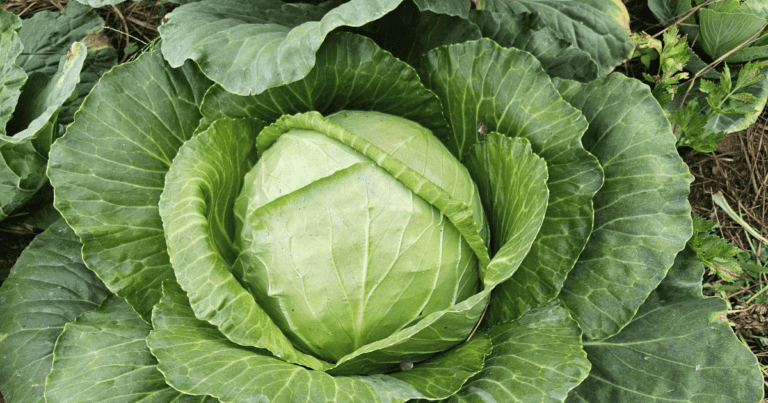
Fermented Veggies
Why this is a great easy add:
- Ready to eat, no cooking required.
- Adds probiotics and tang to meals, good on salads, eggs, or sandwiches.
- Organic, naturally fermented, and shelf‑stable until opened.
Tip: Start with a small spoonful daily, then increase to a couple of tablespoons if it agrees with you. Because fermented foods are strong, some people prefer to add them gradually.
Probiotic Yogurt
Activia Peach Probiotic Low Fat Yogurt Cups
Why this is an easy choice:
- Small cups are perfect for quick snacks or breakfast.
- Contains live active cultures aimed at supporting digestion.
- Good for people who want something sweet, not spicy or savory.
Tip: Pair with fruit or a sprinkle of seeds to add extra fiber and texture.
Fiber Supplement
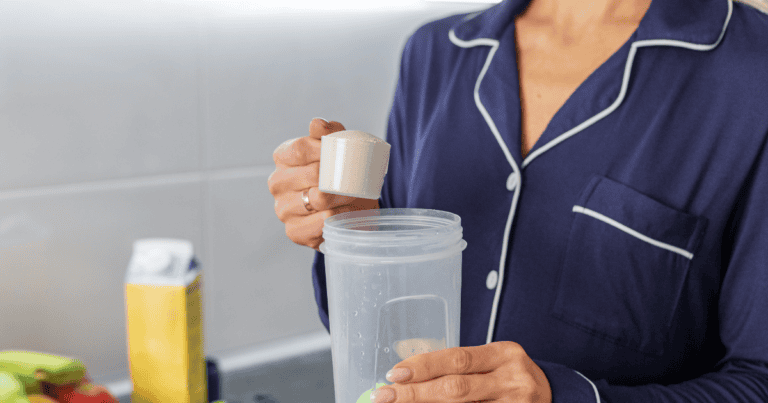
NOW Foods Whole Psyllium Husks
Why this can help when food alone isn’t enough:
- Soluble fiber that’s easy to add to water, juice, or smoothies.
- Useful for seniors who struggle to reach the daily fiber target through diet alone.
Tip: Start with a very small amount, such as half a teaspoon, mixed into a full glass of water. Increase slowly over days or weeks, and always drink plenty of water to prevent discomfort. If you’re already on certain medications or have health conditions, check with a clinician before starting any supplement.
Seed: Probiotic + Prebiotic

Why this is an easy choice:
- Combines 24 different probiotic strains for broad gut support.
- Includes a built-in prebiotic to help the good bacteria thrive.
- Helps improve regularity, reduce bloating, and support immunity.
Remember to always check with your health care provider before adding supplements.
How to use these tips without feeling overwhelmed
- Pick one probiotic food this week. Try a spoonful of sauerkraut, or a yogurt cup. See how you feel after 2–3 days.
- Add one fiber food daily. Maybe an apple with breakfast, or beans in a salad at lunch.
- Drink water regularly. Keep a glass or bottle nearby.
- Adjust slowly. If you feel gas or bloating, slow down, even a few days at a lower amount can help.
Gut‑friendly grocery list
Use this list to shop for easy, digestion‑supporting foods. Pick a few items each week to rotate. Variety keeps your gut bacteria happy.
Fermented and probiotic foods
- Sauerkraut or kimchi
- Yogurt or drinkable yogurt with live cultures
- Kefir
- Low‑sugar kombucha or fermented pickles
Fiber‑rich produce
- Apples, pears, berries
- Bananas, kiwi
- Leafy greens, cooked vegetables
- Sweet potatoes, carrots
- Beans, lentils
Whole grains and seeds
- Oatmeal, whole‑grain cereals
- Brown rice, quinoa
- Whole‑grain bread or crackers
- Chia or flax seeds
Protein that’s easy on digestion
- Eggs
- Fish like salmon
- Cottage cheese or Greek yogurt
- Beans and lentils
Healthy fats
- Olive oil
- Nuts or nut butters
- Avocado
When to Check with a Healthcare Professional
If your digestion changes suddenly, you have frequent pain, unexplained weight loss, or severe constipation, talk to a clinician. That way you can rule out any serious issues and still follow these good‑for‑gut habits safely.
Healthy aging isn’t just about staying active or taking vitamins, it’s also about having a gut that works well, so you feel comfortable, energized, and able to enjoy meals. By adding probiotics, slowly raising fiber, and keeping hydrated, seniors can support better digestion every day. Small steps, big payoff, and your body will thank you.
Source: Nature




Great grocery list! Very helpful tool. (creating a list like that in a printable format would be awesome also)
Thank you!
Great idea! I’ll see what I can do. 🙂
Thanks for the reminder. I want/need to eat better. Great suggestions. Keep up the good work.
So do I! The struggle is real. 🙂
Love this post! I agree with everything you said. Please pray that I can get a diagnosis on my gut issues. I really appreciate all you do ❤️ 💙 💜
Saying a prayer right now! ❤️