How to Eat for Better Brain Health After 60
As we age, maintaining brain health becomes increasingly important. Cognitive decline can affect memory, focus, and overall mental sharpness, but the good news is that our diet can play a significant role in supporting brain health. By making thoughtful food choices, especially after the age of 60, we can fuel our brains with the nutrients they need to stay sharp, improve memory, and reduce the risk of cognitive decline.
Here are some of the best dietary strategies to keep your brain healthy and vibrant as you age.
1. Incorporate Omega-3 Fatty Acids
Omega-3 fatty acids are essential for brain health, as they are crucial for maintaining the structure of brain cells and supporting cognitive function. One particular omega-3, DHA (docosahexaenoic acid), is especially important for seniors, as it helps protect the brain against age-related decline. Regular intake of omega-3s has been linked to improved memory, focus, and even a reduced risk of Alzheimer’s disease.
Fatty fish like salmon, mackerel, and sardines are among the best sources of omega-3s. For those who don’t consume fish, plant-based sources like flaxseeds, chia seeds, and walnuts also provide brain-boosting omega-3s.
Pro Tip: Aim to include at least two servings of fatty fish per week, or consider a fish oil supplement if fish isn’t part of your diet.
2. Eat More Antioxidant-Rich Foods
Antioxidants help protect your brain from oxidative stress, which can damage brain cells and contribute to cognitive decline. Foods rich in antioxidants, especially those containing vitamins C and E, can help reduce inflammation and keep your brain functioning at its best.
Berries, such as blueberries, strawberries, and blackberries, are particularly high in antioxidants and have been shown to support memory and brain function. Leafy greens like spinach and kale are also packed with antioxidants and other nutrients that promote brain health.
Pro Tip: Add a handful of berries to your morning oatmeal or enjoy a berry-rich smoothie for a delicious brain-boosting treat.
3. Focus on Healthy Fats
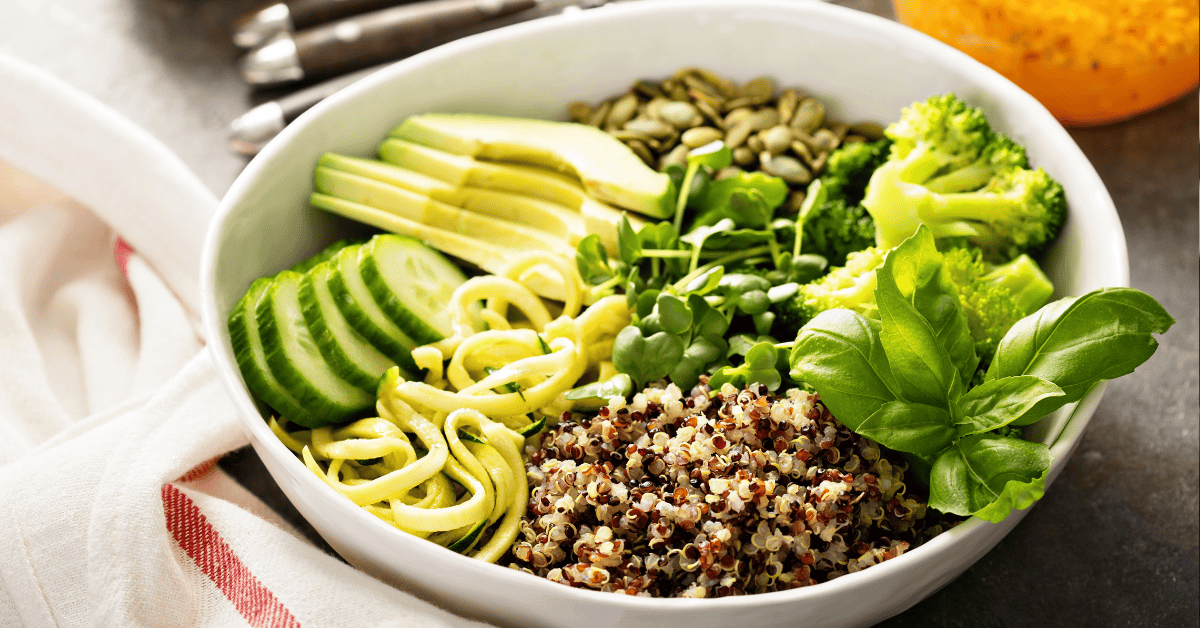
Not all fats are created equal, and healthy fats—especially those found in avocados, olive oil, and nuts—are essential for brain health. These fats help maintain the brain’s cell membranes and provide anti-inflammatory benefits that support cognitive function.
The Mediterranean diet, which is rich in healthy fats from olive oil, nuts, and fish, has been shown to promote better brain health and reduce the risk of Alzheimer’s disease. Adopting a diet that focuses on healthy fats can help improve memory, protect against age-related cognitive decline, and even enhance overall mental clarity.
Pro Tip: Swap butter or margarine for olive oil in your cooking, and snack on a handful of nuts like almonds or walnuts for a brain-healthy snack.
4. Get Plenty of Whole Grains
Whole grains are a great source of complex carbohydrates, which provide a steady supply of energy to the brain. Foods like whole wheat bread, oats, brown rice, and quinoa are packed with fiber and essential vitamins like vitamin E, which has been linked to cognitive health.
Unlike refined carbohydrates (such as white bread and sugary snacks), whole grains don’t cause spikes in blood sugar levels, which can lead to brain fog and fatigue. Instead, they offer a slow, sustained release of glucose, which is the brain’s primary source of energy.
Pro Tip: Start your day with whole grains by choosing oatmeal or whole wheat toast for breakfast, and incorporate quinoa or brown rice into your lunches and dinners.
5. Add Leafy Greens to Your Diet
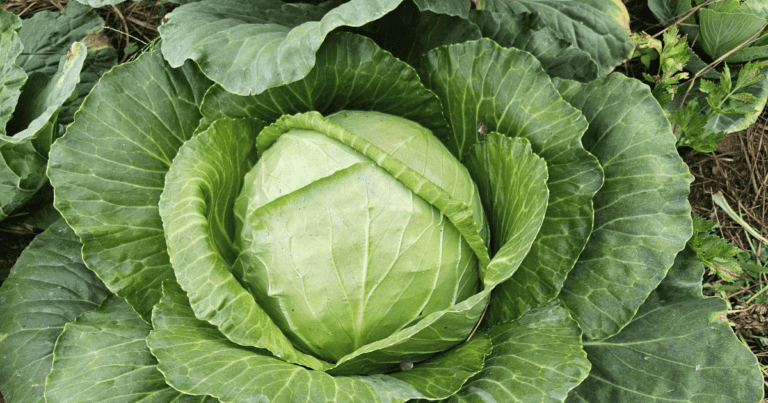
Leafy greens are some of the most nutrient-dense foods you can eat, and they’re particularly beneficial for brain health. Vegetables like spinach, kale, and collard greens are rich in brain-boosting nutrients such as vitamin K, lutein, folate, and beta-carotene.
These nutrients have been shown to slow cognitive decline and improve memory. In fact, research suggests that eating just one serving of leafy greens per day can help slow brain aging by up to 11 years, which is a significant benefit for seniors looking to maintain mental sharpness.
Pro Tip: Incorporate leafy greens into your meals by adding spinach to smoothies, salads, or omelets, or by sautéing kale or collard greens as a side dish.
6. Eat Foods Rich in B Vitamins
B vitamins, particularly B6, B12, and folic acid, play a crucial role in brain health. These vitamins help regulate homocysteine levels in the blood, which, if too high, can lead to cognitive decline and an increased risk of dementia.
Foods rich in B vitamins include eggs, poultry, fish, fortified cereals, and leafy greens. Ensuring adequate intake of these vitamins can help protect your brain as you age and support memory and cognitive function.
Pro Tip: If you follow a vegetarian or vegan diet, consider taking a B12 supplement, as this vitamin is primarily found in animal products.
7. Stay Hydrated
While hydration might not seem directly related to brain health, dehydration can impair concentration, memory, and overall cognitive function. As we age, our sense of thirst may diminish, making it even more important to consciously drink enough water throughout the day.
In addition to drinking water, you can also stay hydrated by consuming foods with high water content, such as cucumbers, watermelon, and oranges.
Pro Tip: Keep a reusable water bottle with you and set reminders to drink water regularly, especially if you don’t feel thirsty.
8. Limit Sugar and Processed Foods
Highly processed foods, sugary snacks, and drinks may taste good, but they can negatively impact brain health. Diets high in refined sugars and trans fats can increase inflammation and oxidative stress, which may contribute to cognitive decline.
To protect your brain, focus on whole, unprocessed foods and limit your intake of sugary and high-fat processed foods. This shift can help improve brain function, memory, and overall health.
Pro Tip: Replace sugary snacks with healthier alternatives like fruit, yogurt, or nuts to satisfy your sweet tooth without the negative effects on your brain.
Eating for better brain health after 60 doesn’t have to be complicated. By incorporating nutrient-rich foods like omega-3 fatty acids, leafy greens, whole grains, and healthy fats into your diet, you can support cognitive function and protect your brain as you age. Maintaining a balanced diet that focuses on whole, unprocessed foods can help keep your mind sharp and ensure that you continue to enjoy life to the fullest.