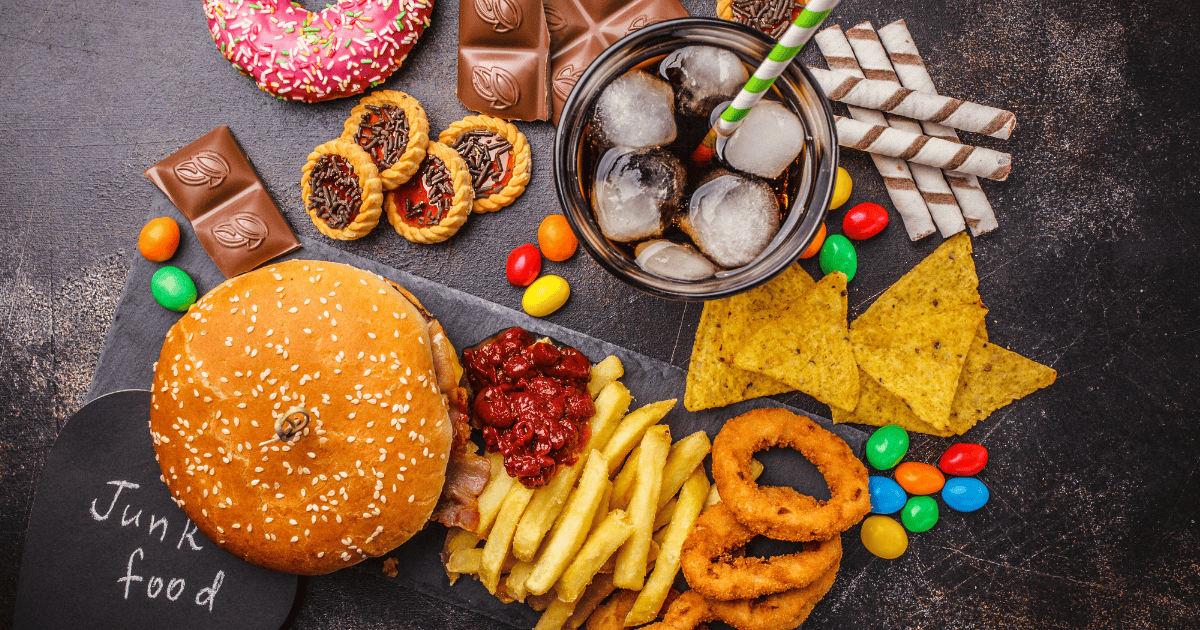
The 5 Worst Foods for Brain Health After 60
As we age, keeping our minds sharp becomes just as important as keeping our bodies strong. What you eat plays a big role in your brain’s health and some foods can do more harm than good. Here are five foods doctors and nutrition experts say seniors should seriously limit (or avoid) if you want to preserve memory, focus, and cognitive clarity.
1. Sugary Drinks & Foods
Sweet sodas, fruit‑flavored drinks, candy and desserts pack more than just calories; they may also shrink portions of the brain. According to WebMD, people who regularly drink soda or sweet tea are more likely to have memory problems, possibly due to the type of sugar and its effect on brain size and function.
What to do instead: Swap sugary drinks for water, unsweetened iced tea, or seltzer with a splash of fruit juice. Choose fruit or plain yogurt for sweets when you’re craving dessert.
2. Highly Processed & Ultra‑Processed Foods
Foods like frozen dinners, boxed snacks, chips, and fast‑food fare may seem convenient, but they’re linked with cognitive decline. A large‐scale study found that higher consumption of ultra‑processed foods was associated with faster decline in thinking skills.
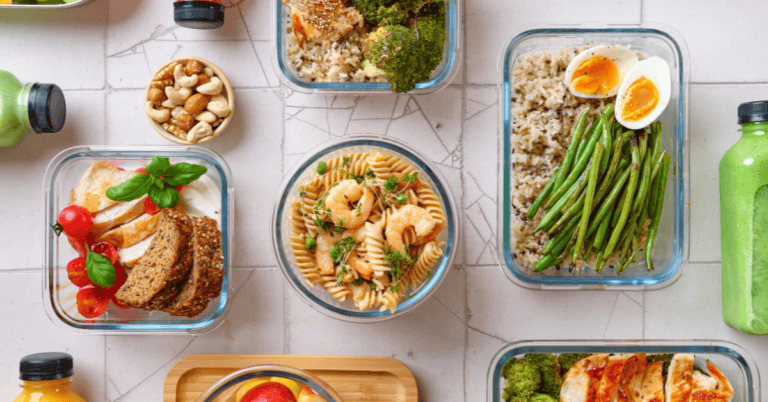
What to do instead: Focus on whole, minimally processed foods, fresh vegetables, whole grains, lean proteins, and home‑cooked meals rather than something out of a box or drive‑thru.
3. Foods High in Saturated Fat & Red Meat
Cholesterol and saturated fat don’t just affect your heart, they affect your brain’s blood vessels too. Harvard Health points out that red meat, butter, cream, and whole milk, all high in saturated fat, can raise unhealthy cholesterol and increase stroke risk, which in turn negatively affects brain health.
What to do instead: Opt for leaner proteins like fish, poultry with skin removed, beans, or even plant‑based alternatives. Limit butter and heavy creams; choose olive oil or nut‑based spreads.
4. Refined Carbohydrates (White Bread, Pasta, White Rice)
Refined carbs may raise blood sugar quickly and then let it crash, which isn’t great for memory or brain performance. The Amen Clinics warns that white breads, pasta, potatoes and rice, all high‑glycemic foods, can impair memory and cognition over time.
What to do instead: Choose whole‑grain bread, brown rice, whole wheat pasta, or even cauliflower rice. These slower‑release carbs keep your brain fuel steady.
5. Excess Alcohol & Artificial Sweeteners
Alcohol in excess can reduce blood flow to parts of the brain involved with thinking. Meanwhile, diet sodas and artificial sweeteners may not be the safe option you think. They’ve been linked in some studies to higher stroke or dementia risk.
What to do instead: If you enjoy a drink, stick to the moderate guidelines (e.g., one drink or less per day), and consider switching diet sodas for sparkling water with lemon. Always talk with your doctor about alcohol and sweetener use especially if you’re taking medications.
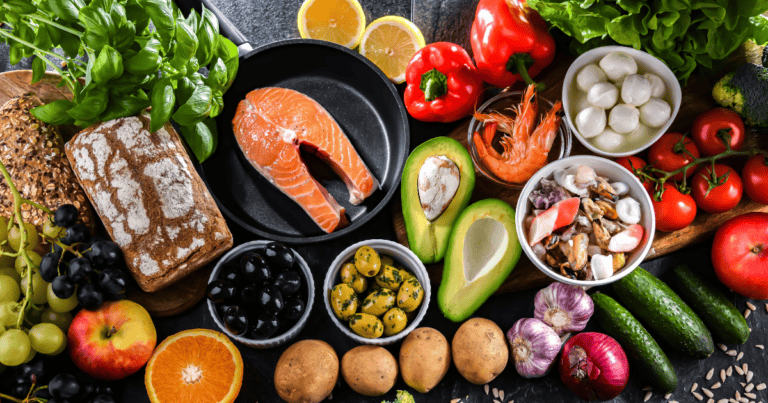
Now that we’ve discussed what’s BAD for your brain, here are the GOOD foods.
Healthier Alternatives to Protect Your Brain
Good Foods for Brain Health:
🫐 Berries (especially blueberries): Rich in antioxidants that support memory
🐟 Fatty Fish (like salmon, sardines, mackerel): High in omega-3s to reduce brain inflammation
🥬 Leafy Greens (spinach, kale, Swiss chard): Packed with folate and vitamin K for brain aging
🫘 Beans & Lentils: Provide slow-release carbs and fiber to help stabilize blood sugar
🌰 Nuts (especially walnuts): Great source of healthy fats and brain-supporting vitamin E
🥚 Eggs: Contain choline, which is essential for memory and learning
🫒 Extra Virgin Olive Oil: A heart-healthy fat that also protects the brain from oxidative stress
🍫 Dark Chocolate (in moderation): Antioxidants and flavonoids for blood flow and brain function
Brain-Boosting Drinks:
💧 Water: Hydration is crucial for cognitive performance
🍵 Green Tea: Contains L-theanine for calm focus, plus antioxidants
🧃 Pomegranate Juice: Brain-protective polyphenols (just watch the sugar)
🥛 Low-Fat Milk or Unsweetened Plant Milk: Offers B vitamins and protein without added sugar
☕ Coffee (1–2 cups/day): Can support alertness and memory when consumed in moderation
How to Wean Off Brain-Draining Foods
If you’re used to sugary or processed foods, don’t worry, you don’t need to go cold turkey. Try these gentle strategies that work well:
1. Swap One Item at a Time
Instead of cutting everything, trade one item per week. For example, swap your morning donut for Greek yogurt with berries.
2. Keep Healthy Snacks on Hand
When cravings strike, be prepared. Pre-cut veggies, roasted chickpeas, a handful of nuts, or sliced apples can fill in the gap.
3. Cut Down Sweetened Drinks Gradually
Dilute juices with water or seltzer, or swap every second soda with herbal tea. Gradual reduction helps retrain your taste buds.
4. Don’t Shop Hungry
Make a grocery list with brain-healthy foods and eat before you shop. This helps you avoid impulse buys of chips or sugary snacks.
5. Read Labels for Hidden Ingredients
Look for words like “partially hydrogenated,” “high fructose corn syrup,” or long ingredient lists—that usually means it’s best to leave it on the shelf.
6. Practice the 80/20 Rule
If you eat well 80% of the time, don’t feel guilty about the occasional treat. Balance matters more than perfection.
Making Healthy Changes
Your brain matters just as much as your heart, and the truth is, your diet affects both. By limiting these five types of foods, sugary drinks, ultra‑processed foods, high saturated fats/red meat, refined carbs, and excess alcohol/artificial sweeteners, you’re giving your brain the best chance to stay sharp, connected, and vibrant.
Here’s to strong minds and joyful months ahead!



Thank you Lisa, Im enjoying reading your blog.
Thank you, Janice! I’m excited you’re along for the journey. 🙂
I have to brag, my parents are 87 years old, still live in the house that grew up in. They both drive, (Dad still has his pilot’s license & just bought a new plane.) My Mom recently told me she is going to live to 111! She also told me that she isn’t taking any prescription drugs! Such an inspiration. How do they live that long and stay healthy? Never really eaten processed foods, because they were born in 1938, when there wasn’t any. Both try to eat healthy daily. Maintain a positive outlook on life, no negative conversations. Our Petaluma, California community recently introduced the “Blue Zones” method to our residents. It not only encourages, educates, support healthy lifestyles and staying active. Almost identical to the Mediterranean lifestyle. A month in Greece, I found the happiest and healthiest people, who seem to balance work, life and eating. Our community has more Seniors than preschoolers.
I love it! A good attitude is so important. We still have our 87 year old parents. ❤️ I’m enjoying every second!
I am enjoying the new blog. I especially like the games and the posts about a healthy diet.
Awesome! Thanks for the feedback!❤️
Lisa, I’m so excited for your new blog!! I have followed Tania for several years now and just love her! So when she announced this news the other day I was happy to hear about it.
Good luck to you both.
I keep getting a reply that this can’t be posted because they think I’m a robot!
Thank you for the encouragement! ❤️
Great information. Thank you for providing this news letter to us older ladies. Maybe it will be the encouragement I need to be healthier now that I’m in my 70s!!
Same! I’m trying to do all of these healthier things, too! Thanks for reading. 😍
I am really enjoying this new blog. Thank you so much for caring for others and sharing.
Thank you! ❤️