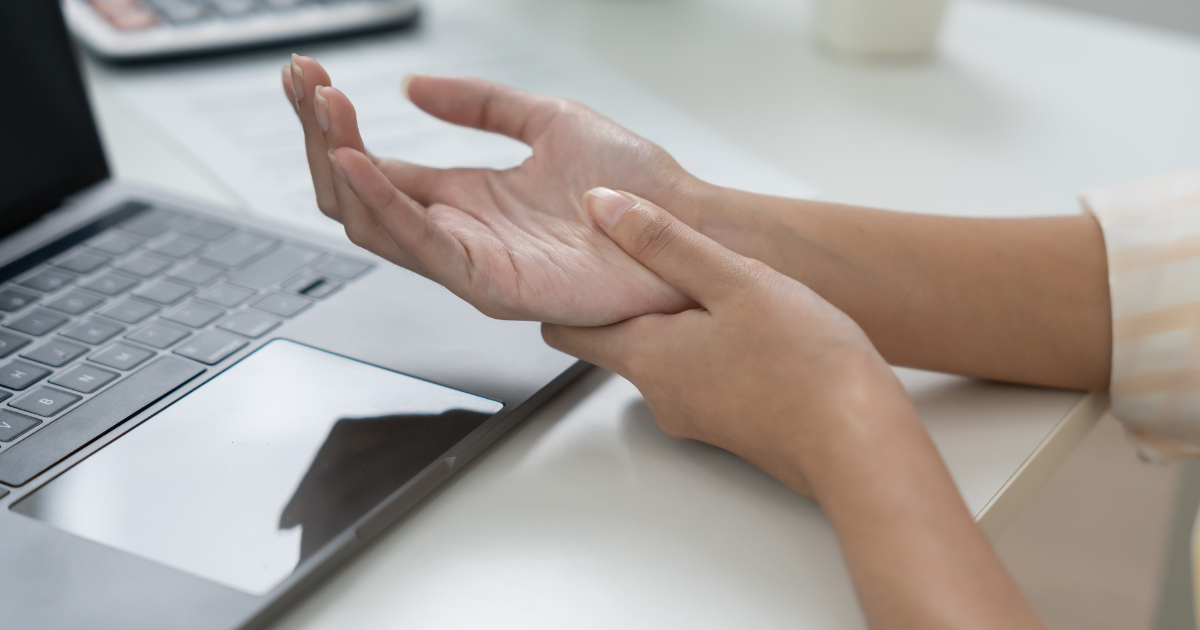
A Guide To Better Hand Health After 60

Our hands are involved in almost everything we do. They open jars, button shirts, hold coffee mugs, text grandchildren, cook meals, garden, clean, and drive. They work quietly for decades without much thought until stiffness, pain, or swelling start to get our attention. If you’re dealing with arthritis, Heberden’s nodes, numbness, or fingers that click or lock, you are not alone. Hand issues are extremely common as we age.
- Why Strong Toes Could Be the Secret To Staying On Your Feet
- Top Anti-Inflammatory Foods to Ease Joint Pain
Common Hand Issues After 60
Many people experience more than one of these at the same time.
Osteoarthritis and Heberden’s nodes
These affect the small finger joints, often causing stiffness, aching, swelling, and bony changes at the joints closest to the fingertips. Symptoms are often worse in the morning or after heavy use.
Carpal tunnel syndrome
This involves nerve compression at the wrist and can cause numbness, tingling, burning, or weakness especially in the thumb, index, and middle fingers. Symptoms often show up at night or while holding a phone or steering wheel.
Trigger finger
This occurs when a finger tendon becomes irritated and inflamed, causing the finger to click, catch, or lock when bending or straightening.
Rheumatoid Arthritis (RA)
Rheumatoid arthritis is different from osteoarthritis. It is an autoimmune condition in which the immune system attacks the joints, leading to inflammation, swelling, stiffness, and sometimes joint deformity. RA often affects both hands simultaneously and may involve other joints throughout the body.
Ganglion Cysts
Ganglion cysts are benign, fluid-filled lumps that commonly appear on the wrist or hand. They may come and go, change in size, or disappear on their own. While they can look alarming, they are not cancerous and often don’t require treatment unless they cause pain, limit movement, or press on a nerve.
Tremors
Hand tremors, shaking or trembling, can become more noticeable with age. They may be related to medication side effects, caffeine, stress, fatigue, or underlying medical conditions.
Protecting Your Hands Going Forward
Even though you can’t reverse joint changes, you can absolutely reduce strain and slow irritation.
Reduce Repetitive Stress
Long periods of gripping, pinching, twisting, or squeezing place stress on joints and tendons. Break tasks into shorter sessions. Switch hands when possible. Change positions often. These small changes protect joints and reduce fatigue.
Respect Pain Signals
Pain is information, not something to power through. Sharp pain, burning, numbness, or fingers locking are signals to pause and adjust. Ignoring these signs often leads to flare-ups that last much longer.
Gentle Hand Exercises to Support Comfort and Movement
Movement keeps joints lubricated and flexible.
Warm up first.
Warm hands move better. Try warm water, a heating pad, or exercises after a shower.
Finger Lifts
Place your hand flat on a table and slowly lift one finger at a time, then lower it back down. This helps improve finger control, coordination, and joint mobility without strain.
Thumb Stretch
Gently pull your thumb away from your palm until you feel a light stretch, then release. This supports thumb flexibility and can ease stiffness from frequent gripping.
Fist to Fan
Slowly curl your hand into a loose fist, then open your fingers wide like a fan. This movement helps maintain range of motion and reduces finger stiffness.
Tendon Glide Sequence
Move your hand through a gentle sequence: straight hand, hook position, full fist, tabletop position, then a relaxed wave. These controlled movements help keep tendons moving smoothly and may reduce stiffness or catching.
Wrist Flexor Stretch
Extend your arm with your palm facing up and gently pull the fingers back with your other hand. This stretch helps relieve tightness from repetitive gripping or typing.
Wrist Extensor Stretch
Extend your arm with your palm facing down and gently press the hand downward with your other hand. This targets the opposite side of the wrist and helps balance wrist flexibility.
Finger Walk on Wall
Place your fingers on a wall and slowly “walk” them upward, then back down. This exercise promotes finger strength, coordination, and gentle stretch.
Grip Squeeze
Gently squeeze a soft foam ball or therapy putty, then release. This helps maintain grip strength without putting excessive stress on the joints.
Consistency matters more than intensity!
Products That May Help Make Daily Life Easier
Supportive products don’t change joint structure but they can make daily life easier.

Compression gloves may help reduce swelling and improve circulation. Many people wear them during light activity or while resting in the evening.
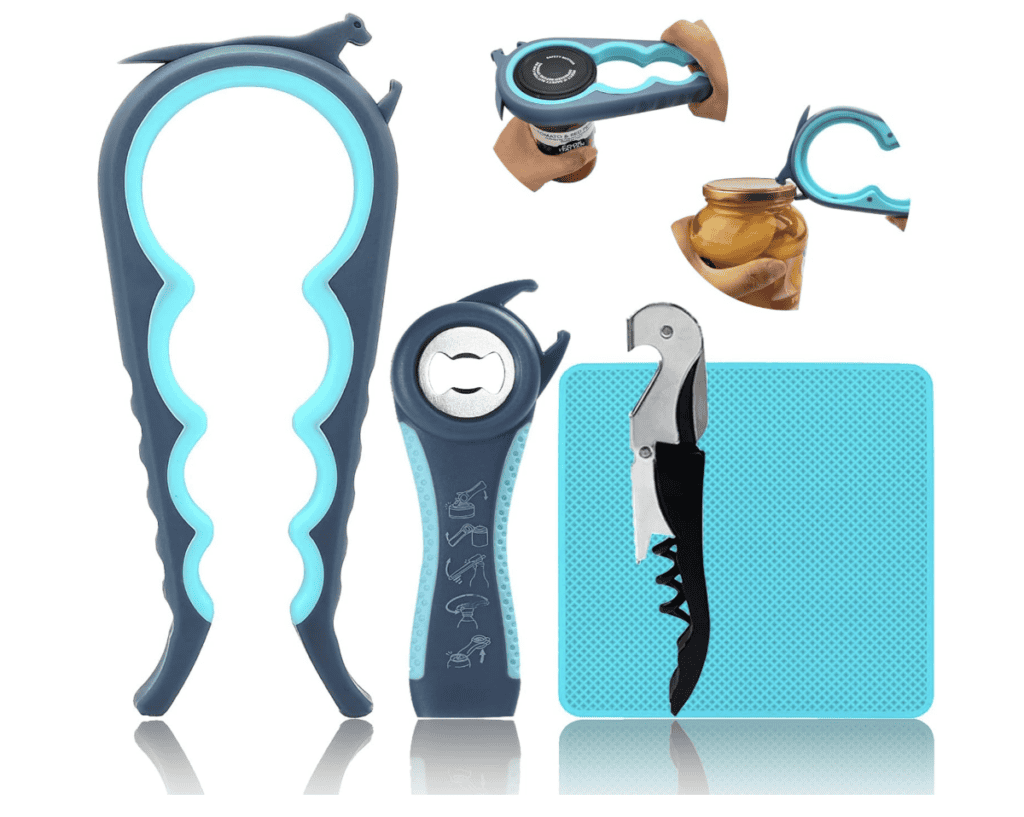
Jar openers and grip aids reduce twisting force and protect finger joints.
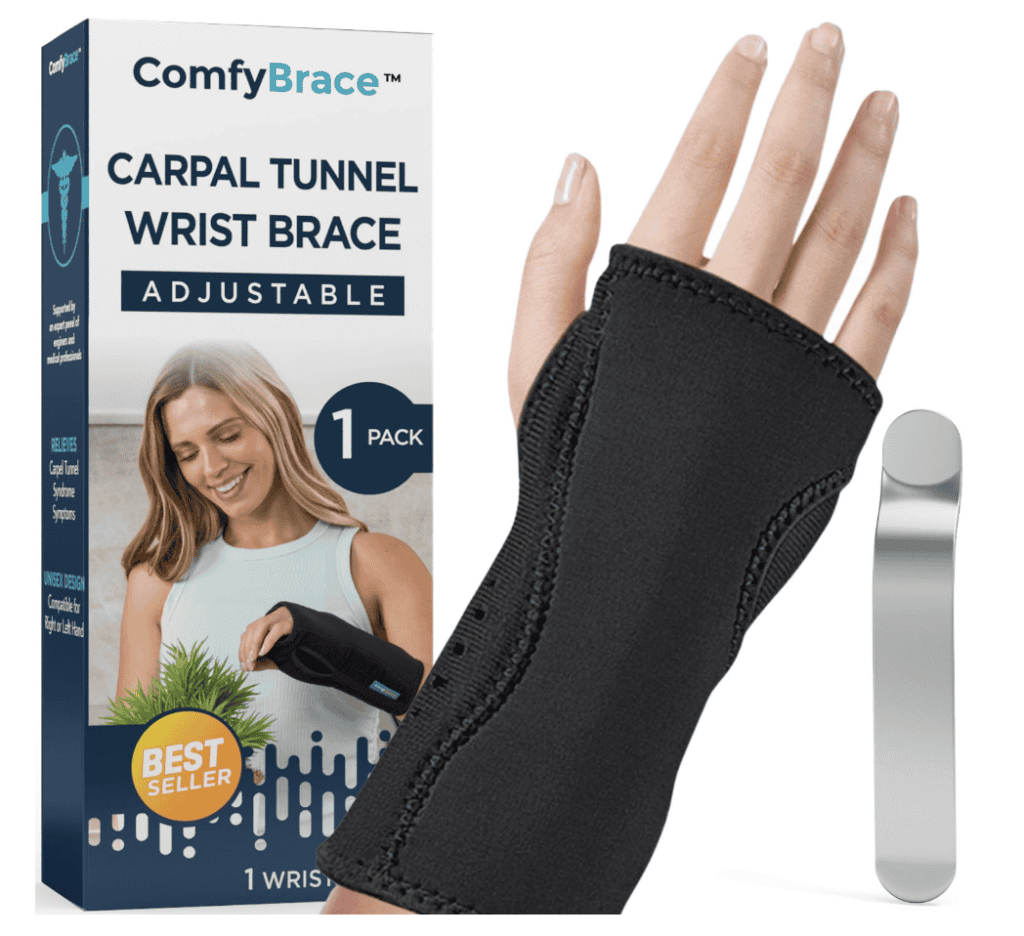
Night wrist braces can be helpful for carpal tunnel symptoms, especially if numbness wakes you at night.
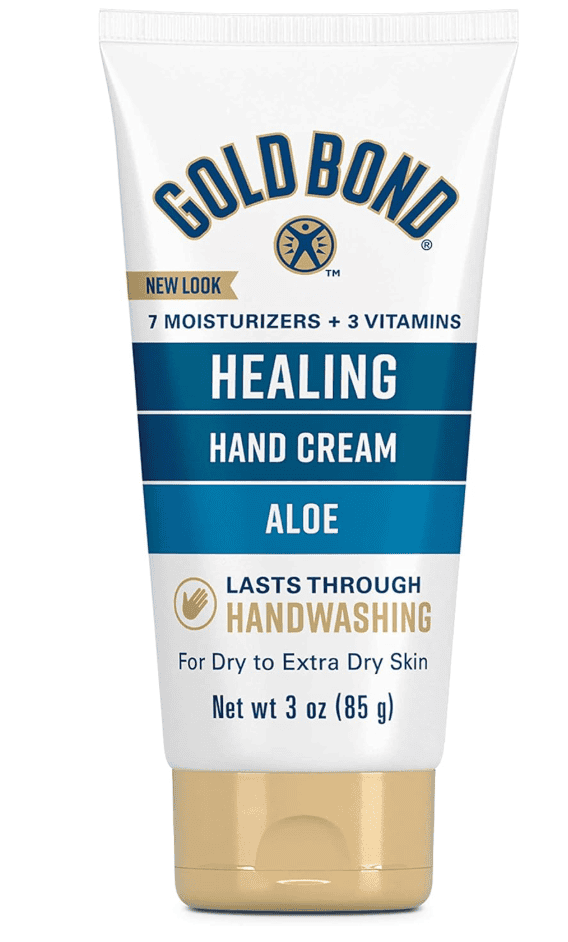
Rich hand creams protect aging skin, which becomes thinner and more prone to cracking.
Things to Do for Healthier Hands
- Keep hands warm, especially in winter.
- Take breaks during repetitive tasks
- Massage hands gently with lotion or oil
- Stay hydrated
- Use both hands when lifting or carrying
Things to Avoid If You Have Hand Pain
- Avoid gripping tightly for long periods
- Avoid forcing stiff fingers to move
- Avoid ignoring numbness or tingling
- Avoid repetitive tasks without breaks
- Avoid pushing through sharp or worsening pain
When to Seek Extra Help
If hand pain is worsening, fingers are locking frequently, or numbness interferes with sleep or daily tasks, it’s worth speaking with a healthcare provider. Occupational therapists can offer personalized strategies, splints, and exercises designed specifically for hand conditions.
Early attention often prevents bigger limitations later.
Hand health after 60 isn’t about preventing aging. It’s about protecting comfort, function, and independence.
Some changes can’t be stopped. But many flare-ups, frustrations, and daily struggles can be reduced with awareness, gentle movement, and smarter support.
Your hands have carried you through a lifetime. They deserve care!







THE G GRIP
Visit the Store
4.7
I switched to this style and it’s amazing for opening any size jar plus it fits under the recessed upper cabinets so you don’t even see it.
• Grip Jar Opener | Original Under Cabinet Jar Lid & Bottle ener, Effortless for Weak Hands & Seniors with Arthritis – M JSA
+ bought in past month
[THE g BRIP].
EFFORTLESSLY OPEN ANY LID.
Any size, every time.
Awesome! Here it is for people who don’t want to search. https://amzn.to/3L9VDTN
Great post! I have had trigger finger for years. At bedtime, I wear a splint which helps. Finger will occasionally go to a locked position. I have to manually unlock my finger, which hurts.
Wow, that sounds awful. My right thumb area hurts really bad throughout the day. Too much computer!
Your articles are very informative and interesting to read! Thanks for sharing all this – I look forward to your posts.
Thanks so much, Ava! I am so thankful for the support!
Thus post was so timely! My husband has just started having some issues with his right hand..Dr appointment scheduled for next week. Thanks for thus info.!
Good luck. Hope it’s something easily correctable!
Good information. I type all day, so I need to stretch these fingers!
Same! I went to dinner tonight with friends and was showing them the stretches. 🙂
Thank you for all the good information on hands. I’ve had carpal tunnel surgery on both hands & thumb surgery. In the winter my fingers crack open & bleed. That really hurts, I use Liquid Bandaid, it helps but it takes time. It’s always on my right hand, my dominant hand.
Yikes! Did the surgery help?
Love today’s post! I have carpel tunnel (which I attribute to excessive typing from work) and Heberden’s nodes on some fingers. I do wear hand braces during the day at work if it bothers me and I also wear the light wool copper lined gloves that help with joint pain too at times, depending on how my hands feel. My right hand will bother me at times much worse than my left. I also wear the braces every night in bed and they help 100%.
I also wear the stronger type of hand braces when cycling as it helps with tingling and numbing on longer rides and/bumpy trails.
I am wondering about the surgery as some people I know have told me it helps, others tell me it hasn’t.
I’m glad you liked it! Yes, my right hand is much worse than my left, too. I wear a brace a lot when I play tennis or pickleball. I hate the pain, and I hate those stupid Heberden’s nodes. Plus, they hurt! I’ll let you know what my friend says after she recovers from surgery. Have a great day!
This is great info and I can truly relate
I hate seeing my hands change and hurt but am determined to keep them moving and healthy
Thank you for sharing this important info
Happy New Year to you and yours Lisa
I’m trying to do the excercises. My thumb hurts from all my hours on my laptop. 🙁 Happy New Year to you!
This is the best info, and all in one place, I have seen to explain the condition of my hands. I’m 70 years old and have put my hands through a lot! Thanks for explaining it all so well.
You’re welcome! Our hands take a beating. 🙁