Top 5 Low-Impact Exercises for Seniors to Stay Active
Staying physically active is one of the best ways to maintain health and mobility as we age. For seniors, regular exercise can help improve balance, flexibility, and muscle strength while supporting heart health and boosting mood. But not all exercises are created equal, and many seniors benefit most from low-impact activities that are gentle on the joints while still providing significant health benefits.
Low-impact exercises are especially beneficial because they reduce the risk of injury, making them ideal for those who may experience arthritis, joint pain, or other age-related conditions. In this article, we’ll explore five of the best low-impact exercises for seniors that can be done at any fitness level to stay active, strong, and energized.
1. Walking
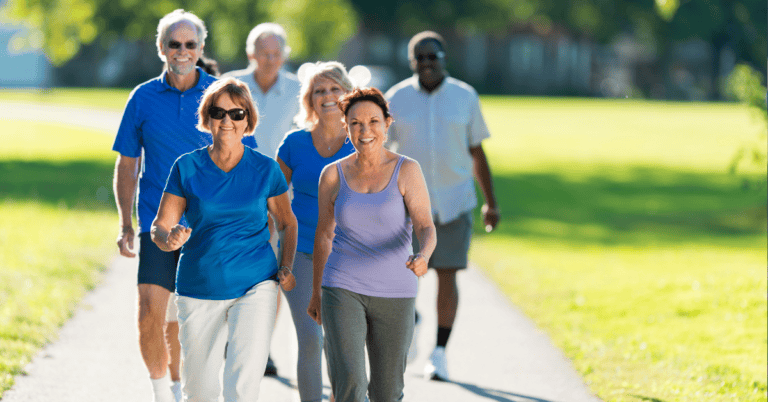
Walking is one of the easiest and most effective low-impact exercises that seniors can do to stay active. It’s accessible, requires no special equipment, and can be done almost anywhere. Walking helps improve cardiovascular health, strengthens leg muscles, and enhances balance and coordination, all while putting minimal stress on the joints.
According to a study published in the American Journal of Preventive Medicine, walking regularly is associated with lower risks of cardiovascular diseases and can improve overall life expectancy . For seniors, even a moderate-paced walk can help reduce the risk of falls by improving leg strength and balance .
- How to start: Begin by walking for 10 to 15 minutes a day at a comfortable pace, then gradually increase your time as you build stamina. Walking with a friend or group can also make it more enjoyable.
2. Swimming or Water Aerobics
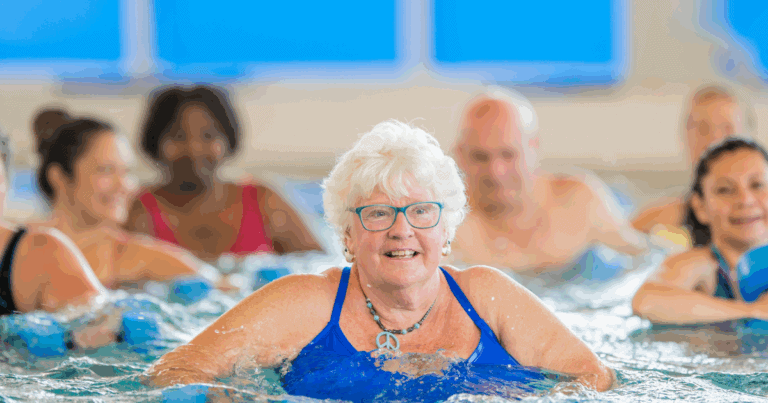
Swimming is a full-body, low-impact exercise that’s incredibly gentle on the joints. Because water supports the body, it allows seniors to move freely without the strain that land-based exercises can cause. Swimming works on all the major muscle groups, improves cardiovascular fitness, and increases flexibility. Plus, the resistance of the water helps build strength without putting pressure on the bones and joints.
Water aerobics, which involves performing exercises like leg lifts and arm movements in shallow water, can also provide a great cardio workout while helping improve balance and coordination.
Research has shown that water-based exercises can improve joint function, reduce pain for people with arthritis, and enhance overall physical performance in older adults .
- How to start: Check with local gyms or community centers for senior-friendly swimming or water aerobics classes. Start with short sessions in the pool and gradually increase your workout duration as you build confidence.
3. Tai Chi
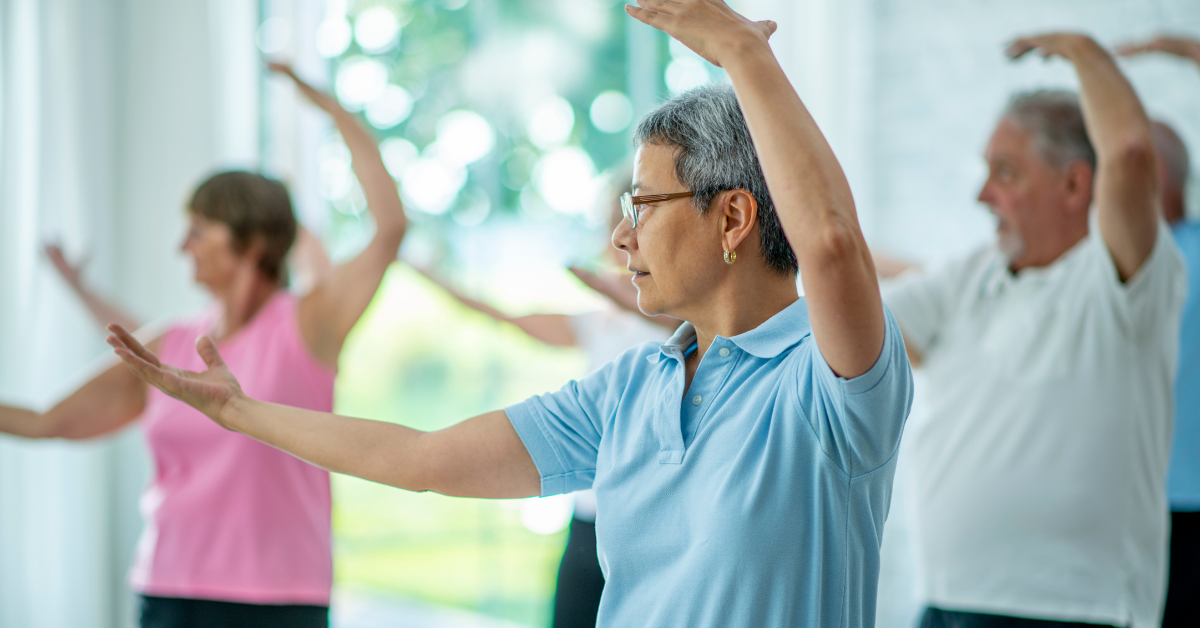
Tai Chi is an ancient Chinese martial art that involves slow, flowing movements combined with deep breathing. It’s often referred to as “meditation in motion” and is well-known for its ability to improve balance, flexibility, and mental focus. Tai Chi is particularly beneficial for seniors because it emphasizes smooth, controlled motions that reduce the risk of falls while improving coordination and posture.
A study published in the Journal of the American Geriatrics Society found that seniors who practice Tai Chi have a reduced risk of falls and improved balance compared to those who don’t engage in this activity . Tai Chi also helps reduce stress and anxiety, which can benefit mental health as we age.
- How to start: Many senior centers and community organizations offer beginner Tai Chi classes. You can also find online videos or DVDs tailored for older adults. Aim to practice Tai Chi for 15-20 minutes a day to reap the benefits.
4. Chair Yoga
Chair yoga is a modified form of traditional yoga that allows seniors to practice poses while seated or using a chair for support. This form of low-impact exercise improves flexibility, mobility, and strength while reducing the strain on joints and muscles. Chair yoga is an excellent option for seniors who may have difficulty standing for extended periods or who need extra support during exercise.
Chair yoga has been shown to improve flexibility, mental health, and overall quality of life in seniors, according to a study published in the Journal of Bodywork and Movement Therapies . The gentle stretches and poses in chair yoga can help alleviate stiffness, reduce joint pain, and improve circulation.
- How to start: Look for chair yoga classes at local senior centers or follow along with instructional videos online. Start with a few basic poses and stretches and gradually work your way up to more challenging movements as your flexibility improves.
5. Cycling on a Stationary Bike
Cycling on a stationary bike is another fantastic low-impact exercise that provides cardiovascular benefits without putting stress on the knees, hips, or back. Stationary biking helps seniors maintain strong leg muscles, improve endurance, and enhance heart health, making it a great option for those looking to stay active while protecting their joints.
A study published in the Journal of Aging and Physical Activity suggests that regular cycling can improve aerobic capacity, muscle strength, and overall fitness in older adults without increasing joint pain . Because it’s a low-impact exercise, it’s a safe and effective way to keep the body moving and the heart pumping.
- How to start: Start with 10-15 minutes of cycling at a comfortable pace and gradually increase your workout time as your fitness improves. Many gyms and senior centers offer stationary bikes, or you can purchase one for your home.
Benefits of Low-Impact Exercise for Seniors
Low-impact exercises offer a wide range of benefits for seniors, including:
- Improved joint health: Low-impact activities reduce strain on joints, which can help manage arthritis and other joint-related issues.
- Increased cardiovascular health: Many low-impact exercises like walking, swimming, and cycling improve heart health and circulation, reducing the risk of heart disease.
- Enhanced balance and coordination: Exercises like Tai Chi and chair yoga help improve balance, which can lower the risk of falls and injuries.
- Better mental health: Physical activity releases endorphins, which help improve mood and reduce stress, anxiety, and depression.
- Greater flexibility and mobility: Low-impact exercises stretch and strengthen muscles, improving flexibility and making daily activities easier to perform.
Tips for Getting Started with Low-Impact Exercise
- Start slowly: If you’re new to exercise, begin with short sessions and gradually increase the time and intensity as you build strength and endurance.
- Listen to your body: If you experience pain or discomfort, stop the activity and consult a healthcare professional before continuing.
- Stay consistent: Aim for at least 30 minutes of physical activity most days of the week to maintain your fitness level and overall health.
- Incorporate variety: Mixing up different types of low-impact exercises can help keep you motivated and work different muscle groups.
- Consult your doctor: Before starting a new exercise routine, it’s a good idea to consult your healthcare provider, especially if you have existing health conditions or concerns.
Low-impact exercises are a great way for seniors to stay active and healthy without putting unnecessary stress on their bodies. Incorporating activities like walking, swimming, Tai Chi, chair yoga, and cycling into your routine can improve cardiovascular fitness, boost energy levels, enhance flexibility, and strengthen muscles—all while reducing the risk of injury.
Staying active is key to maintaining independence and quality of life as we age. By choosing low-impact exercises that are both enjoyable and effective, seniors can continue to stay healthy, fit, and full of energy well into their later years.