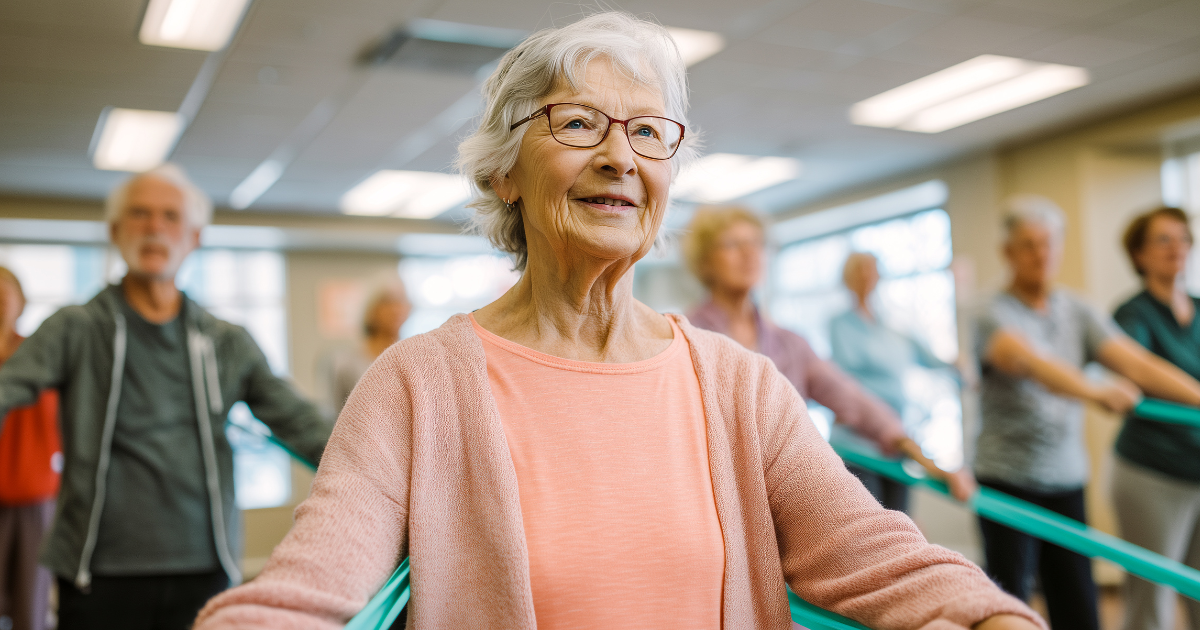
Before You Set New Year’s Goals: A Gentle Reality Check for Your Body

One of the biggest mistakes people make in January is setting goals based on how they used to feel, rather than how they feel today.
- New Year’s Fitness Finds Under $50 For Older Adults
- Common Winter Health Complaints And What Actually Helps
Bodies change with time. Muscles recover more slowly. Joints may need more warm-up. Balance can require more attention. None of this means you’re weaker or failing; it means your body is asking for a different approach.
Gentle, consistent movement almost always works better than sudden intensity.
Reality check:
If a goal requires pain, dread, or exhaustion to “prove” it’s working, it’s probably not the right goal.
Quick Check-In
When you think about moving more in the new year, do you feel motivated or overwhelmed?
Why January “All-or-Nothing” Goals Often Backfire
Many New Year’s plans fail not because people lack willpower, but because the goals themselves don’t account for real life.
Common January pitfalls include:
- Doing too much too fast
- Ignoring recovery
- Comparing yourself to others
- Expecting daily motivation
When movement feels punishing, it’s hard to stay consistent. When goals feel unrealistic, they’re easy to abandon.
What actually works is choosing goals that feel doable on low-energy days, not just good days.
Consistency Matters More Than Intensity After 60
If there’s one principle worth remembering, it’s this:
Consistency builds strength. Intensity builds soreness.
That doesn’t mean you can’t challenge yourself. It means the challenge should come gradually and safely.
For example:
- Five minutes of movement every day often leads to more progress than one long, exhausting session per week
- Gentle balance work improves confidence far more than speed
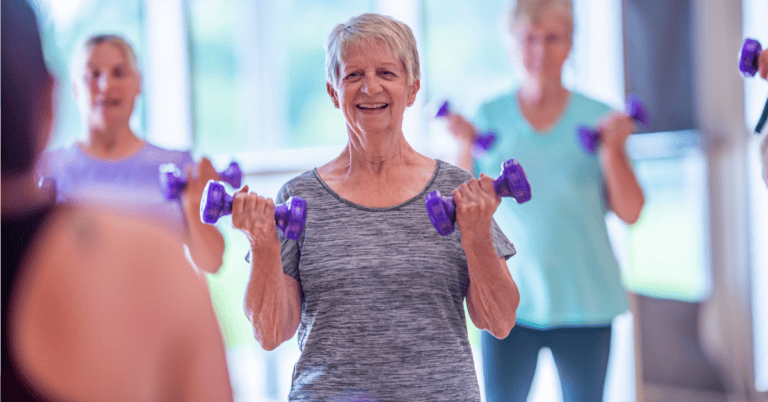
- Strength training doesn’t have to be heavy to be effective
- The body responds best to small signals repeated often.
Which feels more realistic for you right now?
☐ A little movement most days
☐ Longer workouts a few times a week
☐ I’m still figuring that out
Recovery Is Not Optional. It’s Part of Fitness
One of the biggest shifts after 60 is the importance of recovery.
Recovery includes:
- Rest days
- Stretching
- Warm-ups and Cool-downs
- Listening to pain signals
Skipping recovery doesn’t speed progress; in fact, it often delays it. If soreness lingers for days, if joints feel inflamed, or if fatigue increases instead of improves, your body may be asking you to slow down.
Progress should feel supportive, not punishing.
Balance Deserves Its Own Spot in Your Goals
Many fitness plans focus on strength and endurance, but balance is just as important and often overlooked.
Good balance:
- Reduces fall risk
- Improves confidence while walking
- Makes everyday tasks easier
Simple balance work can include:
- Standing on one foot near a counter
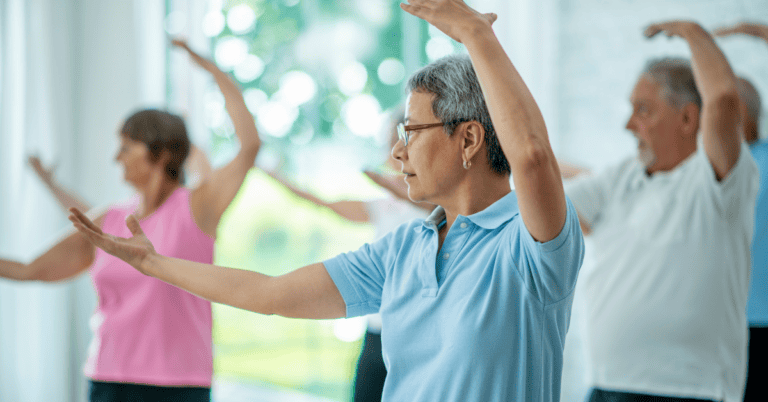
- Slow, controlled movements
- Gentle core engagement
You don’t need fancy routines. A few minutes a day can make a noticeable difference over time.
One Important Thing
If you only add one thing to your fitness routine this year, consider balance work. It supports everything you do.
Motivation Comes and Goes but Habits Stay
Many people wait to “feel motivated” before they move. The truth is that motivation is unreliable, especially in winter. Habits work better than motivation.
Habits might look like:
- Moving at the same time each day
- Keeping shoes or equipment visible
- Tying movement to an existing routine (after coffee, before dinner)
When movement becomes part of your day instead of a decision you debate, it becomes easier to maintain.
Finish this sentence:
“Movement feels easier for me when I __________________.”
Gentle Goals Are Still Real Goals
There’s a misconception that gentle goals don’t “count.” In reality, gentle goals are often the ones that last.
Examples of gentle, effective goals:
- “I’ll move my body most days, even if it’s brief.”
- “I’ll focus on feeling steadier and stronger, not faster.”
- “I’ll stop when something hurts instead of pushing through.”
These goals protect your body and your confidence.
A Better Question to Ask Yourself This Year
Instead of asking:
“How much can I do?”
Try asking:
“What helps my body feel better tomorrow?”
That question leads to choices that support long-term health, not short-term burnout.
Take This Gentle Body Check-In
Before setting goals, ask yourself:
- Do I feel stiff or sore most mornings?
- Does my energy vary a lot day to day?
- Do I feel steady when walking?
- Do I recover quickly from activity?
- Do I enjoy the movement I’m choosing?
Your answers don’t mean you’re behind. They simply help guide smarter decisions.
The New Year Ahead
The new year doesn’t require reinvention. It invites reflection.
Your body has carried you through a lot. The most powerful goals honor that by choosing movement that supports strength, balance, and confidence without unnecessary strain.
Start where you are. Move gently. Stay consistent. That approach works far better than pressure ever will.
That’s living well.
Not sure where to begin? Take the quiz below.