Strength Training After 60: How to Build Muscle, Improve Balance, and Stay Strong
Aging brings many changes to the body, but one of the most significant is the gradual loss of muscle mass and bone density. While this is a natural part of the aging process, it doesn’t mean seniors have to accept weakness, frailty, or limited mobility. Strength training after 60 is one of the best ways to combat these changes, helping older adults maintain their independence, reduce the risk of falls, and improve overall health.
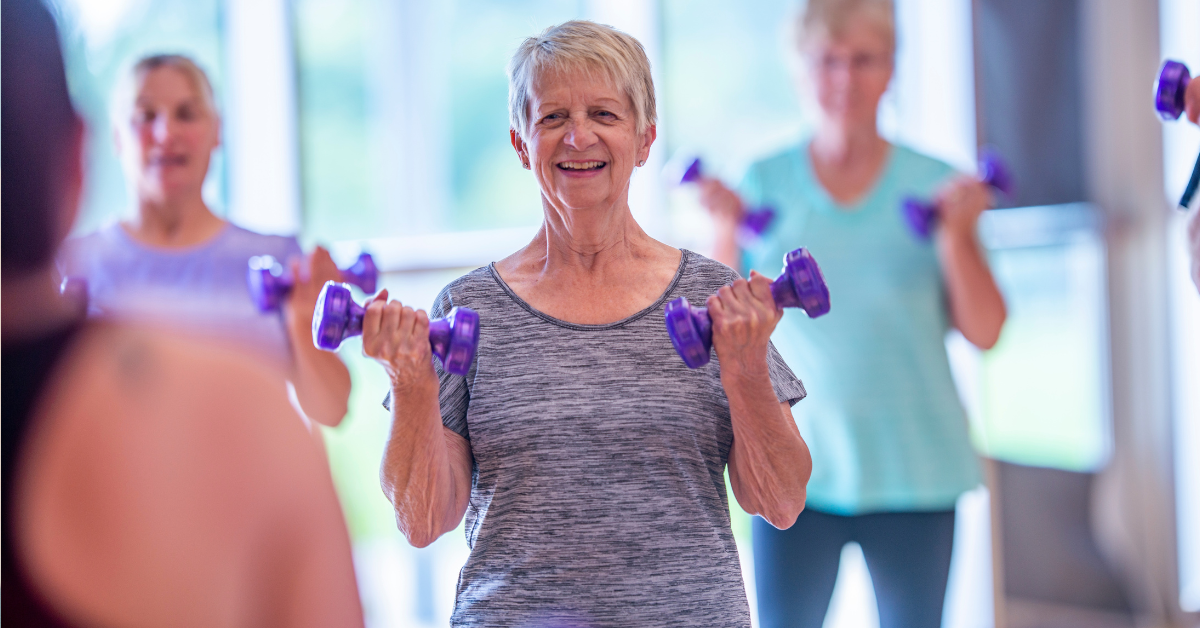
If you’ve never lifted weights before, don’t worry! Strength training isn’t just for bodybuilders or elite athletes. It’s for everyone, regardless of age or fitness level. Whether using resistance bands, body weight, dumbbells, or weight machines, incorporating strength training into your routine can provide incredible benefits for both your muscles and bones.
Why Strength Training is Essential for Seniors
Prevents Muscle Loss and Builds Strength
Sarcopenia, the age-related loss of muscle mass, can begin as early as age 30, with muscle strength decreasing by 3% to 5% per decade if left unaddressed (Harvard Health). Strength training helps to counteract this loss by stimulating muscle growth and improving endurance.
By engaging in regular resistance exercises, seniors can regain strength, making everyday tasks, like carrying groceries, climbing stairs, or getting up from a chair, easier and safer.
Supports Bone Health and Prevents Osteoporosis
Osteoporosis is a major concern for aging adults, especially women. After age 50, women can lose up to 1% of their bone density annually, making them more susceptible to fractures (National Osteoporosis Foundation).
Strength training places stress on bones, which stimulates bone-forming cells and increases bone density. This reduces the risk of fractures and osteoporosis-related complications, helping seniors stay active and independent longer.
Reduces the Risk of Falls and Injuries
Falls are a leading cause of injury among older adults, often resulting in hospitalizations and long recovery periods. Strength training improves balance, coordination, and posture, making it easier to catch yourself if you start to slip or trip.
A study published in the Journal of the American Medical Association (JAMA) found that older adults who participated in resistance training reduced their risk of falls by 40% (JAMA). By strengthening the muscles that support stability, seniors can feel more confident and secure in their movements.
Enhances Metabolism and Aids in Weight Management
As we age, metabolism naturally slows down, often leading to weight gain. Since muscle tissue burns more calories at rest than fat tissue does, strength training helps boost metabolism and improve body composition.
A study from the American Journal of Clinical Nutrition found that older adults who engaged in resistance training increased their resting metabolic rate, which helps with weight management (AJCN). Even short strength training sessions a few times a week can make a big difference in maintaining a healthy weight.
Improves Joint Health and Reduces Arthritis Pain
Many seniors avoid exercise due to arthritis or joint pain, but strength training can actually help reduce discomfort. By strengthening the muscles surrounding joints, weight-bearing exercise provides more support and reduces stress on the joints themselves.
The Arthritis Foundation notes that strength training helps maintain joint function and decreases pain levels over time (Arthritis Foundation). Starting with light weights or resistance bands and gradually increasing intensity can make a significant difference in mobility and comfort.
Boosts Mental Health and Cognitive Function
Exercise isn’t just good for the body, it’s also great for the brain. Strength training has been shown to improve mood, reduce symptoms of depression, and enhance cognitive function in older adults.
A study from the Journal of Aging and Physical Activity found that seniors who engaged in strength training experienced improved memory and mental sharpness. Regular exercise stimulates the release of endorphins, the body’s natural mood boosters, helping seniors feel more energetic and positive.
Getting Started with Strength Training
If you’re new to strength training, start slowly and focus on proper form. Here are some tips to ensure a safe and effective workout routine:
1. Consult Your Doctor First
Before starting any exercise program, check with your doctor, especially if you have any chronic conditions such as heart disease, osteoporosis, or arthritis.
2. Start with Body Weight Exercises
If lifting weights feels intimidating, begin with body weight exercises like squats, seated leg lifts, wall push-ups, or toe raises. These build foundational strength before progressing to resistance bands or dumbbells.
3. Use Light Weights and Resistance Bands
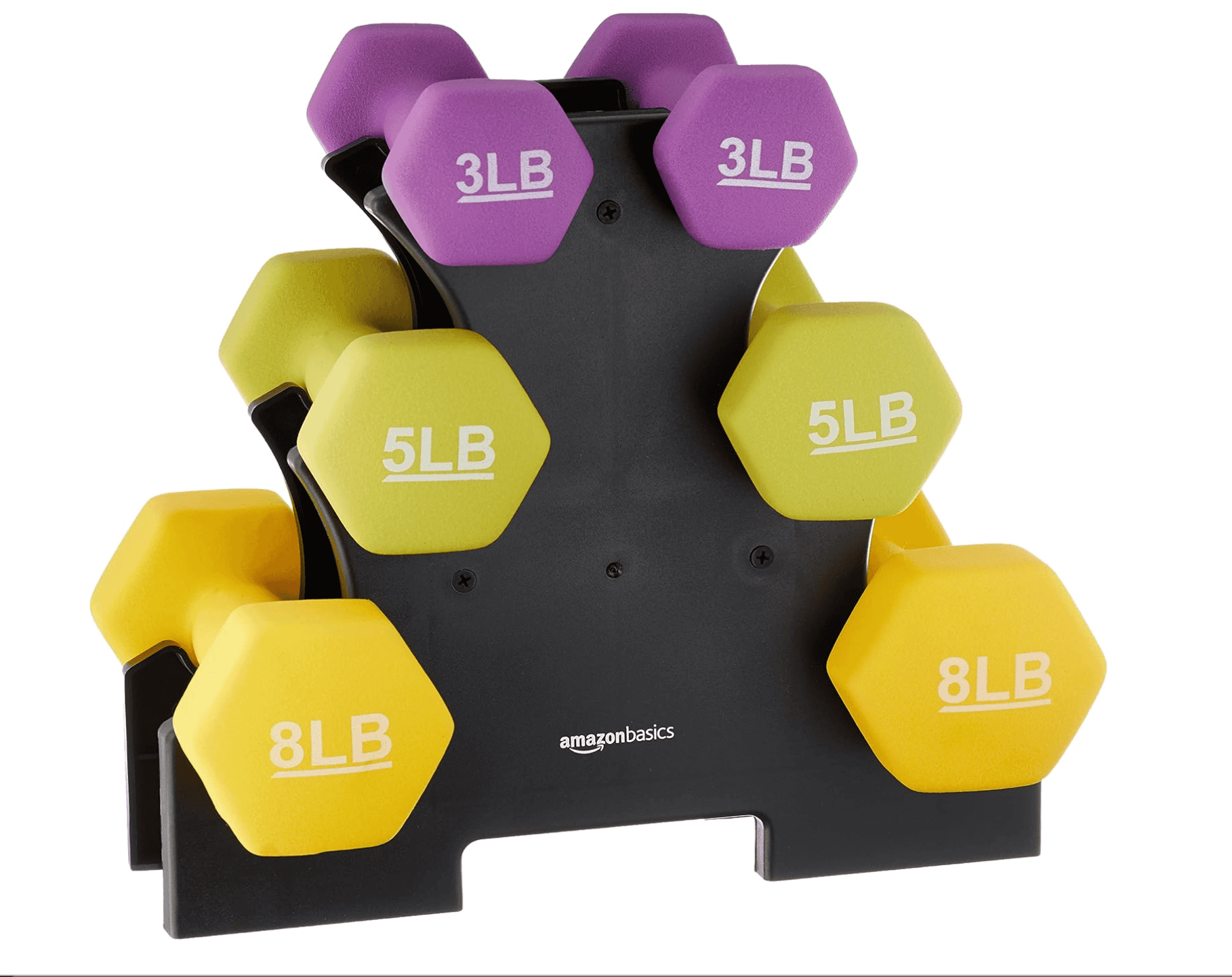
Start with light resistance and gradually increase as you gain strength. Resistance bands are a great option for beginners because they provide controlled tension without putting too much strain on joints.
Tips for Success
4. Focus on Major Muscle Groups
Include exercises that target large muscle groups, such as:
Legs: Squats, seated leg presses, or step-ups
Arms: Bicep curls, tricep extensions, or wall push-ups
Core: Seated knee lifts, abdominal contractions, or modified planks
Back and Shoulders: Shoulder presses, bent-over rows, or lat pulldowns
5. Maintain Proper Form
Good posture and technique are key to preventing injury. Work with a certified trainer or follow guided tutorials to learn proper form.
6. Rest and Recover
Muscles need time to repair and grow, so avoid strength training the same muscle group on consecutive days. Aim for two to three sessions per week with rest days in between.
7. Stay Consistent
Like any health habit, consistency is key. Strength training doesn’t have to be intense or time-consuming; even 20-30 minutes twice a week can lead to noticeable improvements in strength and mobility.
Strength training is one of the most effective ways for seniors to stay strong, independent, and healthy. Whether you’re lifting weights, using resistance bands, or performing body weight exercises, building muscle and bone can lead to a longer, more active life.
The benefits extend far beyond physical health; it improves mood, cognitive function, and overall quality of life. If you’re new to strength training, start small and build up gradually. The most important thing is to keep moving and make it a regular part of your lifestyle.
Remember to always consult with your doctor before beginning a new fitness program!