How to Care for Thinning Hair After 60
This post may contain affiliate links which won’t change your price but will share some commission. As an Amazon Influencer, I earn from qualifying purchases. Some products might be gifted from brands.
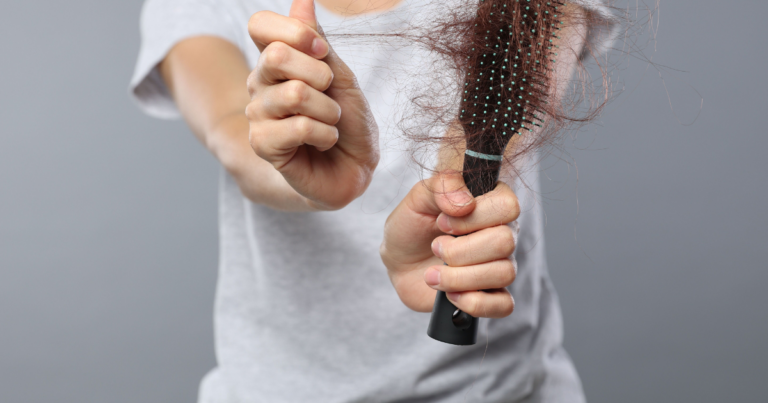
Thinning hair is a common concern for many people as they age, especially after the age of 60. As we grow older, hair tends to lose volume, thickness, and luster due to a variety of factors including hormonal changes, genetics, and the natural aging process. While thinning hair can be frustrating, there are plenty of ways to care for it and keep your hair looking healthy and full.
In this guide, we’ll share practical tips and expert advice on how to care for thinning hair after 60, helping you maintain strong, vibrant hair no matter your age.
Use Hair Care Products Specifically For Thinning Hair
As your hair begins to thin, it becomes more delicate and prone to breakage. This means it’s essential to switch to gentle hair care products that won’t strip your hair of its natural oils or cause damage. Look for shampoos and conditioners that are sulfate-free and specifically designed for thinning hair or mature hair. These products often contain ingredients that nourish and strengthen the hair without being too harsh.
You may also want to consider using a volumizing shampoo and conditioner to add lift and fullness to your hair. Avoid heavy conditioners that can weigh your hair down and make it appear even thinner.
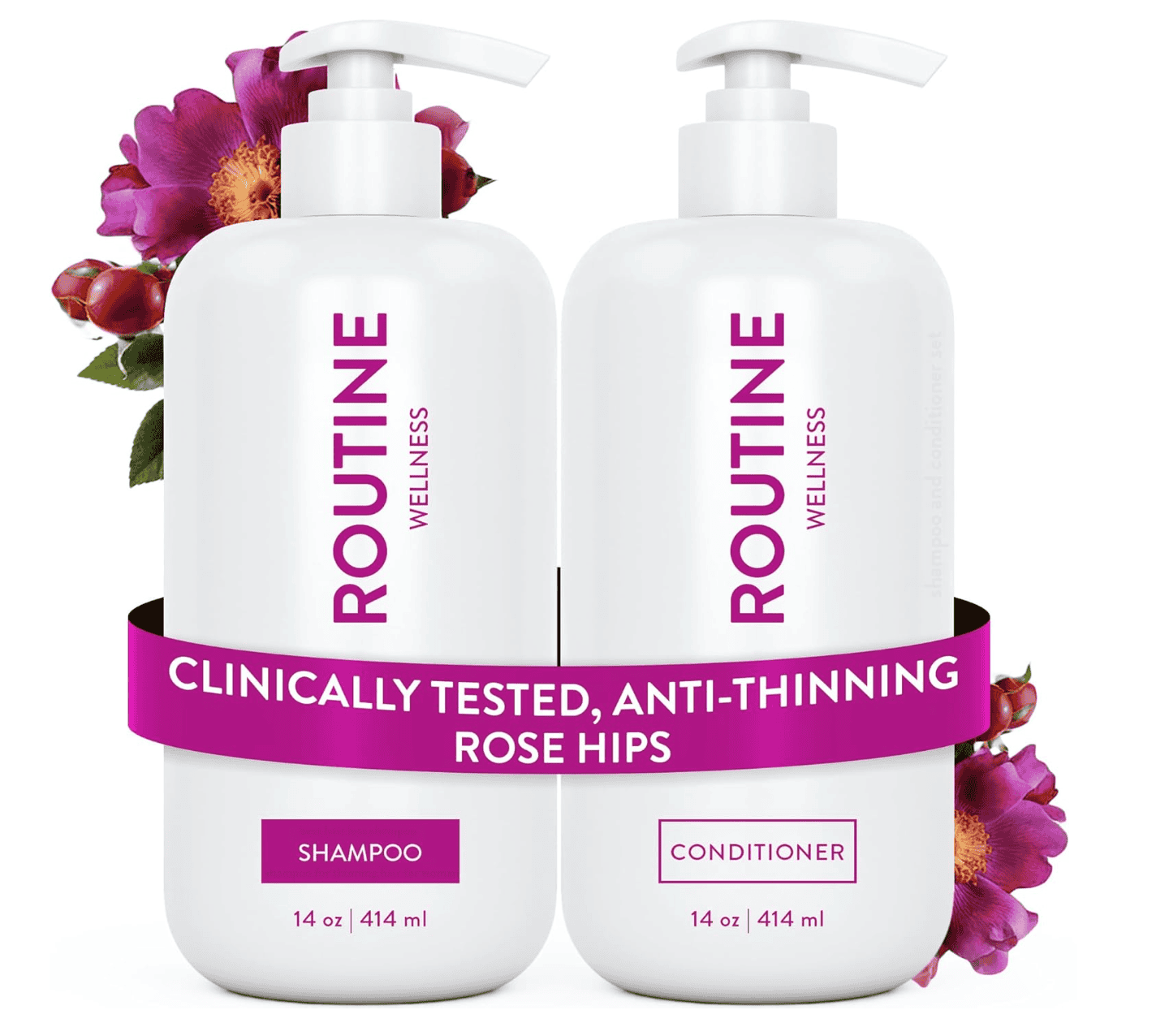
Pro Tip: Focus on the roots when using shampoo and on the ends when applying conditioner. This prevents build-up near the scalp and adds hydration to the more fragile ends.
Be Gentle When Styling
Thinning hair is more vulnerable to damage from heat and styling tools. To protect your hair, try to minimize the use of heat-styling tools like blow dryers, straighteners, and curling irons. When you do use these tools, always apply a heat protectant spray to reduce damage.
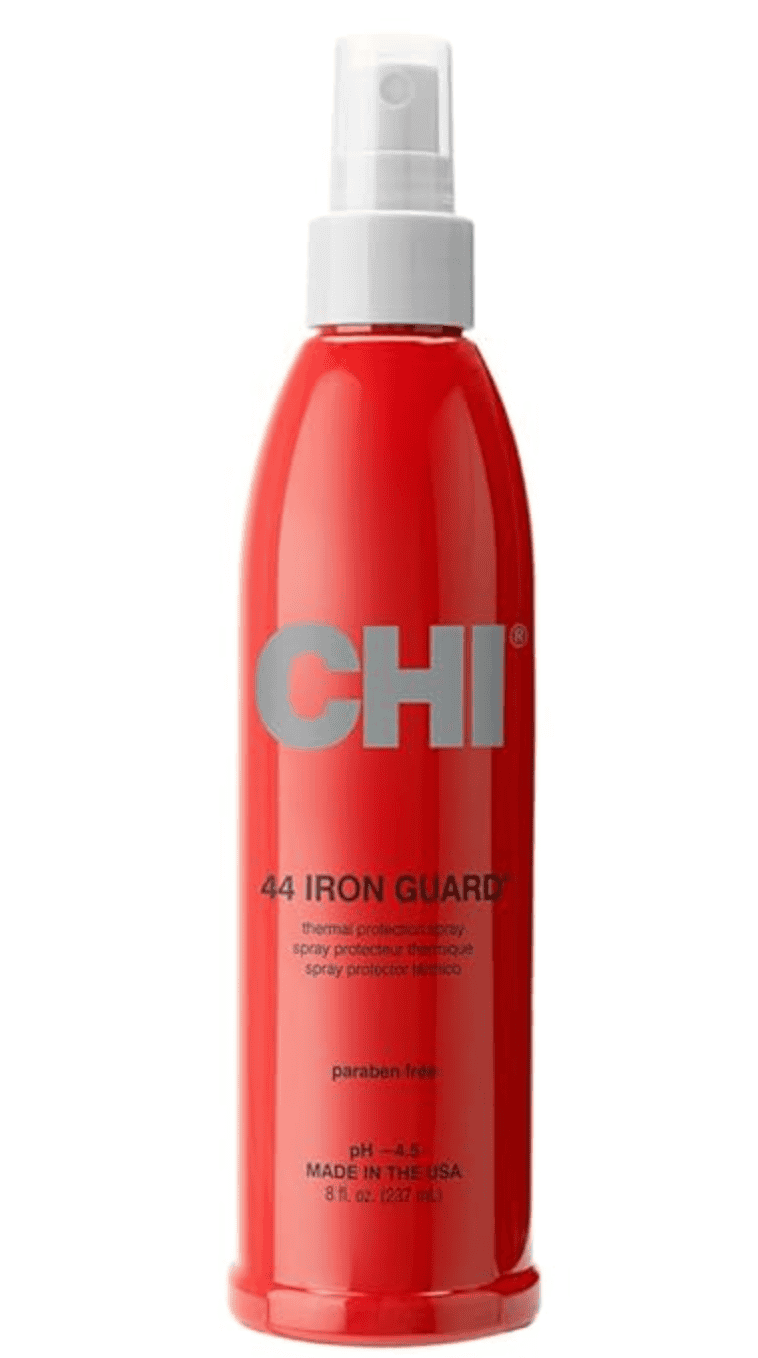
In addition, avoid tight hairstyles like ponytails, buns, or braids that pull on the hair and cause stress to the follicles. Opt for loose, gentle styles that won’t tug on your hair. If you need to secure your hair, use soft hair ties or clips that don’t pull or snag.
Pro Tip: Air-dry your hair whenever possible to reduce heat exposure, or use a blow dryer on a low-heat setting to minimize damage.
Maintain a Healthy Diet
A balanced diet rich in vitamins and minerals is crucial for maintaining healthy hair. As we age, our bodies may become less efficient at absorbing nutrients, so it’s important to focus on foods that support hair health.
Protein: Hair is made of keratin, a type of protein, so make sure your diet includes plenty of lean proteins like chicken, fish, eggs, and legumes.
Biotin: This B vitamin is known to promote hair growth and strengthen hair. Foods like eggs, nuts, seeds, and sweet potatoes are rich in biotin.
Omega-3 Fatty Acids: Omega-3s help keep hair hydrated and promote scalp health. Fatty fish like salmon, mackerel, and sardines are excellent sources of omega-3s.
Iron and Zinc: Deficiencies in these minerals can contribute to hair loss, so be sure to include foods like spinach, red meat, beans, and pumpkin seeds in your diet.
Pro Tip: If you have trouble getting enough of these nutrients through your diet, consider speaking with your doctor about taking a hair-focused supplement.
Stimulate Your Scalp
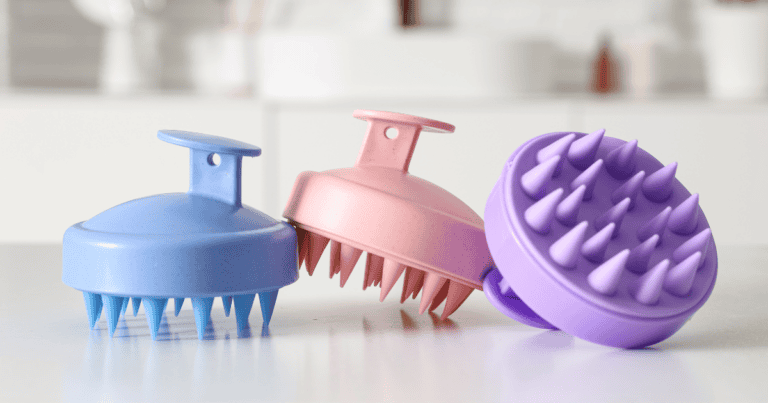
A healthy scalp is the foundation for healthy hair growth. Regularly massaging your scalp can help increase blood flow to the hair follicles, promoting hair growth and improving the health of your hair. You can use your fingertips or a special scalp massage brush to gently massage your scalp for a few minutes each day.
Another option is to incorporate scalp treatments or serums designed to nourish and protect the scalp. Look for products containing ingredients like rosemary oil, peppermint oil, or minoxidil, which are known to stimulate hair growth and improve hair thickness.
Pro Tip: Scalp massages are not only beneficial for your hair but also help you relax and reduce stress, which can also impact hair health.
Consider Hair Treatments for Thinning Hair
If your thinning hair is more severe or if you want to take additional steps to address the issue, there are several hair treatments available that can help promote thicker, fuller hair.
Minoxidil (Rogaine): This over-the-counter topical treatment is FDA-approved for hair growth and is commonly used to treat thinning hair. It’s applied directly to the scalp and can help stimulate hair follicles and slow hair loss.

Low-Level Laser Therapy (LLLT): This non-invasive treatment uses light to stimulate hair follicles and promote hair growth. LLLT devices can be used at home and have been shown to be effective for some individuals with thinning hair.
Platelet-Rich Plasma (PRP) Therapy: This treatment involves injecting your own blood plasma, which is rich in growth factors, into your scalp to stimulate hair growth. PRP therapy is performed by a medical professional and may require multiple sessions for the best results.
Pro Tip: Always consult with your doctor or dermatologist before starting any new hair treatment to determine the best option for your specific needs.
Embrace a Shorter Haircut
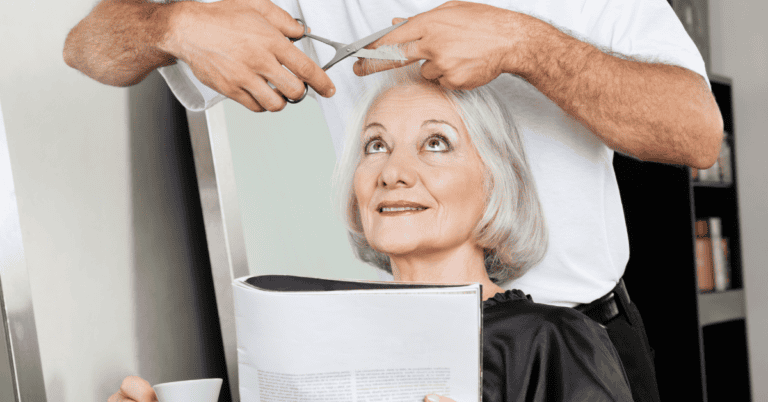
A shorter haircut can create the illusion of thicker, fuller hair, and it’s often easier to manage and style. Consider a layered bob, pixie cut, or a textured lob—these styles add volume and movement to thinning hair. Layers can make hair appear thicker by creating dimension, while shorter lengths help prevent your hair from looking flat or weighed down.
Talk to your stylist about cuts that work with your hair type and thinning concerns. A professional can recommend styles that complement your face shape and enhance the natural texture of your hair.
Pro Tip: Regular trims can help prevent split ends and keep your hair looking healthy and fresh, even as it thins.
Thinning hair after 60 is a common challenge, but with the right care and attention, you can keep your hair looking healthy and vibrant. Focus on gentle care, nourishing products, and a healthy diet to support your hair’s natural growth and strength. Whether you opt for a new haircut, scalp treatments, or simply change up your styling routine, there are plenty of ways to maintain beautiful hair well into your retirement years.