Scalp Health Is the New Hair Care: The Secret to Fuller, Healthier Hair After 60

For most of our lives, we’ve focused on our hair from the outside in. We bought volumizing sprays, smoothing serums, better highlights, and stronger hold products, all hoping to make our hair look thicker, shinier, and more youthful. But if you’ve noticed that your hair feels thinner than it used to, looks dull even right after styling, or simply refuses to cooperate the way it once did, the issue may not be your hair at all.
According to dermatologists and hair researchers, healthy hair actually begins at the scalp. In other words, the real foundation of beautiful hair is the skin underneath it.
A helpful way to think about this is like gardening. You can’t grow strong flowers in dry, compacted soil, no matter how carefully you polish the petals. Your scalp works the same way. When the “soil” isn’t healthy, the hair that grows from it struggles.
As we move into our 60s and beyond, our skin naturally changes. Oil production slows, circulation decreases, and years of product buildup can clog follicles. All of that can affect how our hair grows. The good news is that once you understand what’s happening, there are simple, effective steps you can take to improve it.
Why the Scalp Changes After 60
Research shows that hormonal shifts, especially declining estrogen levels, directly affect the scalp. The sebaceous glands produce less oil, which often leaves the scalp feeling dry, tight, or itchy. While you may appreciate not needing to wash your hair as often, that dryness can weaken the environment where hair grows.
At the same time, follicles can gradually shrink. This process, sometimes called age-related thinning, results in hair that grows in finer and less dense than before.
Because of this, modern hair care has started to follow what many skincare experts call the “skinification” trend. Instead of treating hair as fabric that needs coating and styling, we treat the scalp like facial skin that needs cleansing, exfoliating, nourishing, and protection.
When you focus on scalp health first, volume and shine often follow naturally.
The Three Foundations of a Healthy Scalp
After reading through dermatologist recommendations and product research, three habits consistently come up as the most important: exfoliation, circulation, and nourishment.
1. Gentle Exfoliation to Remove Buildup
Just like our faces benefit from exfoliation, the scalp does too. Over time, dry shampoo, hairspray, conditioners, and even minerals from hard water can leave behind residue. This buildup can sit on the scalp and around the follicles, making it harder for healthy hair to grow.
A gentle scalp mask or exfoliating treatment helps remove that layer so the skin can “breathe” again.


Look for products with hydrating ingredients such as hyaluronic acid to both cleanse and moisturize. It should be soothing and leave the scalp fresh rather than stripped.
Even using a clarifying or exfoliating wash once a week can make a noticeable difference in how light and clean your hair feels at the roots.
2. Improving Circulation with Massage
Healthy hair growth depends on blood flow. Circulation delivers oxygen and nutrients directly to the follicles, which support stronger strands.
According to several clinical studies, simple scalp massage can help increase blood flow and may even improve hair thickness over time.
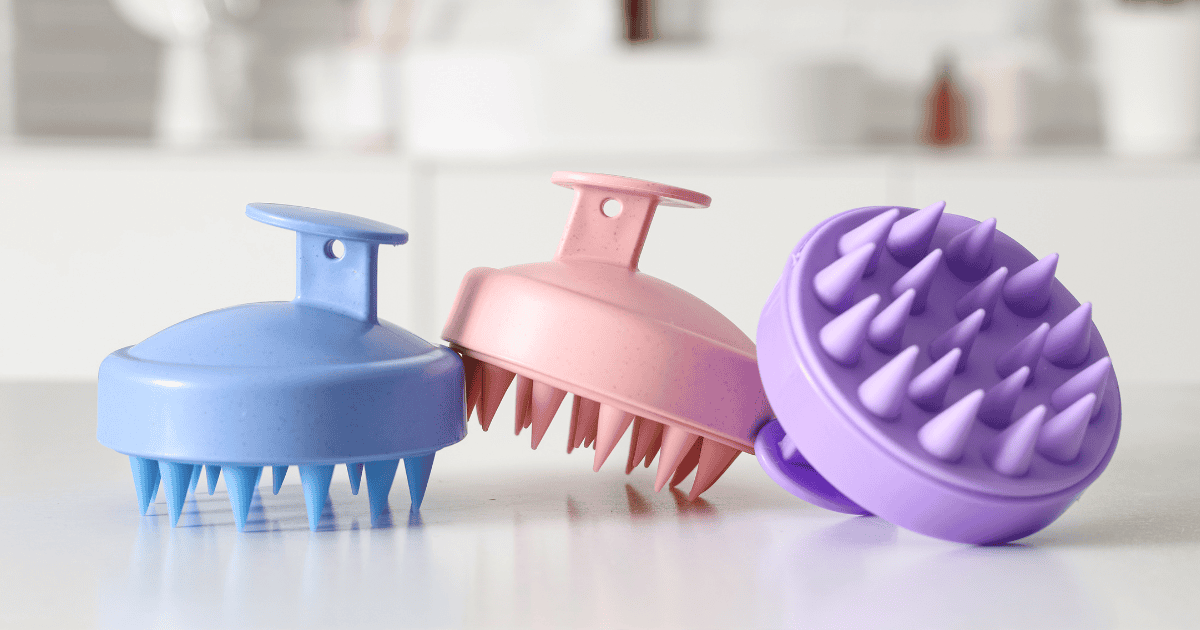
You can use your fingertips in small circular motions while shampooing or apply a light oil or serum before bed and gently massage for a few minutes. Tools can help distribute pressure evenly without pulling fragile hair.
Many women say this step ends up feeling surprisingly relaxing, almost like a mini stress-relief ritual at the end of the day.


3. Nourishing the Scalp with Leave-In Treatments
This is where targeted ingredients come into play. Just as we use serums on our face, leave-in scalp treatments can deliver nutrients directly to the skin for hours at a time.
Look for formulas that contain peptides, caffeine, or strengthening proteins. These ingredients are often associated with improved scalp health and fuller-looking hair.


Of course, you don’t have to spend a fortune. Even an affordable scalp serum used consistently can provide benefits. Consistency matters more than price.
Rethinking Wash Day
One of the simplest changes you can make is adjusting how you shampoo.
Most of us were taught to lather up the hair itself and scrub the strands. However, experts recommend focusing almost entirely on the scalp instead. The scalp is where oil, sweat, and buildup collect. The ends of your hair are older and more fragile and really only need the shampoo to rinse through them.
Choose a gentle, sulfate-free shampoo and apply it directly to your scalp. Massage carefully and let the suds flow down through the rest of your hair as you rinse. This method cleans the roots without over-drying the ends.
What to Expect (and a Little Patience)
It’s important to remember that scalp care is not an overnight fix. Hair grows slowly, and visible improvements take time.
That said, many women notice early changes within a month or so. The scalp feels less itchy or tight. Hair has more lift at the roots. Styles hold better because strands aren’t weighed down by residue. Over time, hair often looks shinier and healthier simply because it’s growing from a better foundation.
There’s also something quietly comforting about this routine. Taking a few minutes to massage your scalp or apply a treatment feels less like “another beauty step” and more like self-care.
In our younger years, hair care was mostly about fashion. After 60, it becomes more about health and wellness. When you support the scalp, you’re not chasing youth. You’re giving your hair the strongest, healthiest environment possible to thrive right now.

I’ve been talking Nutrafol Women’s 45+ Balance for almost a year. I’m 71 with fine thin hair and I really notice a difference. My hair is fuller, shiny and looks healthier. My hairdresser has noticed a difference too.
My skin has also improved.
Definitely recommend trying it.
Thank you for the hook up! Here’s a link for folks who want to try it.- https://go.shopmy.us/p-42722087
How often should ladies over sixty wash their hair?
Good question. I imagine that it differs depending on hair type and activity level, but the consensus among experts (including the Cleveland Clinic and the American Academy of Dermatology) is that 1 to 2 times per week is the “sweet spot” for most women in this age group. That’s what my research says, anyway!
I have thinning hair & psoriasis. I’m using a shampoo for that, but it makes more hair to fall out.
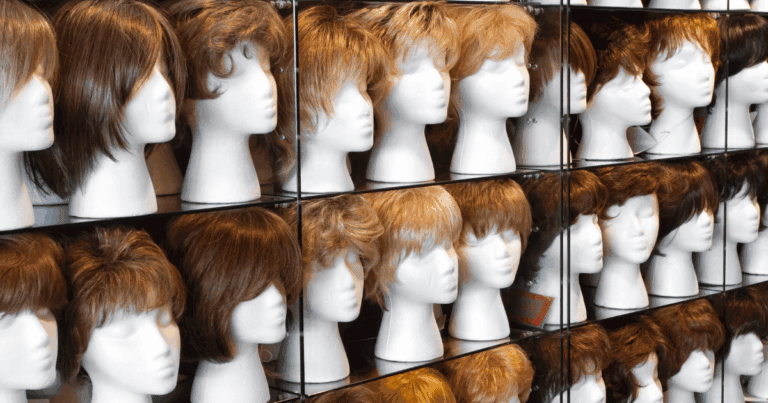
That stinks. Fix one issue and it causes another. Sigh. I’m going to buy a more expensive topper and see if that works.
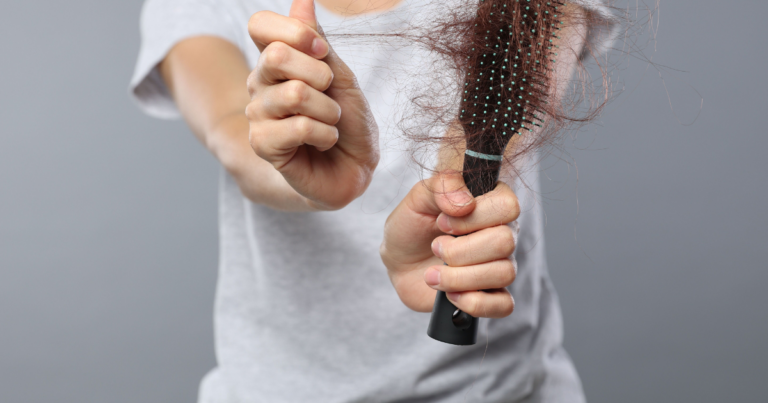
I have not noticed my hair getting thinner strands as much as my hair is falling out. I can spend 5 minutes daily just pulling hair off my clothes! And when I shampoo I get a handful just getting my hair wet. I bought one of the hair massagers and sulfate-free shampoo and am hoping that will do the trick!
The struggle is real! I am grabbing that massager, too.
I love my shampoo brush!
Great! Thanks for letting us know. I’m getting one, too.
So interesting! This really makes sense. Thank you.
I hope it helps. My hair is getting thinner and thinner!