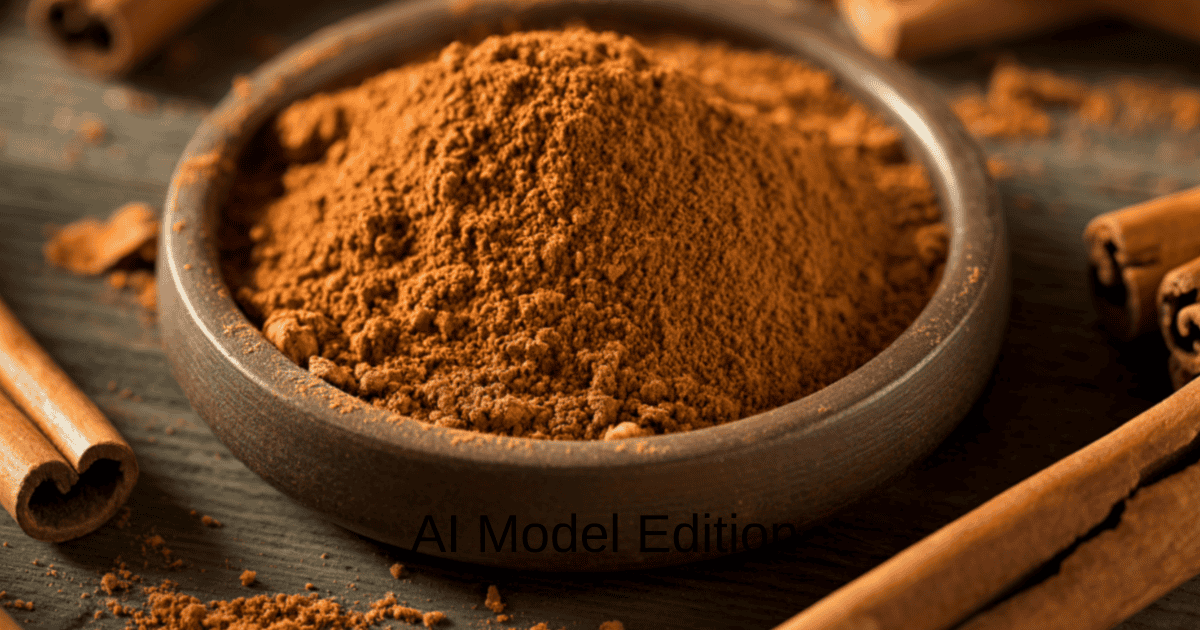
Why Cinnamon May Be A Great Thing For Your Health

Lately, cinnamon has moved far beyond the spice rack. While we’ve always loved it for that cozy, nostalgic aroma, recent 2026 research and a resurgence in “cinnamon water” rituals are highlighting its potential as a functional powerhouse, especially for those of us focused on metabolic health and longevity.
Here is a look at the latest science behind this ancient spice and how to use it effectively today.
- Is Drinking Aloe Vera Actually Good for You? What the Science Says.
- Microplastics and Prostate Health: New Evidence for the “Living Well” Perspective
1. The “Blood Sugar Buffer”
The most consistent research in 2026 continues to focus on cinnamon’s ability to support insulin sensitivity. New clinical reviews suggest that cinnamon may:
- Slow Carbohydrate Digestion: It can inhibit certain enzymes in the gut, meaning the sugars from your meal enter the bloodstream more gradually.
- Mimic Insulin: Compounds like cinnamaldehyde may act as “insulin mimetics,” helping your cells take in glucose more efficiently.
- Flatten the Spike: Drinking a warm cinnamon infusion or adding it to a carb-heavy meal (like oatmeal or a sweet potato) can help reduce that post-meal “fog” or energy crash.
2. Cognitive Clarity & Brain Health
Exciting meta-analyses published recently have analyzed over 40 studies regarding cinnamon and the brain. While human trials are still catching up to the lab results, researchers are finding that cinnamon’s antioxidants may help:
- Inhibit Plaque Buildup: Early evidence suggests it may interfere with the proteins associated with Alzheimer’s.
- Boost Memory: Some small-scale 2024–2025 studies showed improved cognitive scores in participants who incorporated a consistent, therapeutic dose of cinnamon.
3. The Gut-Microbiome Connection
2026 research is diving deeper into how cinnamon affects our “second brain.” Its polyphenols act as prebiotics, helping to restore balance to gut bacteria. It has also shown promise in soothing low-grade inflammation in the digestive tract, which is often the culprit behind persistent bloating.
Ceylon vs. Cassia: Which is in your pantry?
Not all cinnamon is created equal. Understanding the difference is crucial for safety and efficacy:
| Feature | Ceylon Cinnamon (“True”) | Cassia Cinnamon (Common) |
| Source | Sri Lanka | China/Indonesia |
| Flavor | Mild, sweet, complex | Bold, spicy, pungent |
| Coumarin | Very low (Safer for daily use) | High (Can be hard on the liver) |
| Appearance | Thin, fragile, many layers | Thick, hard, single scroll |
Pro Tip: If you are using cinnamon daily for health benefits, look for Ceylon. Cassia is fine for occasional baking, but the high coumarin levels in Cassia can be taxing on the liver if consumed in large medicinal quantities.
Recommended Products to Try
To help you seamlessly integrate this functional spice into your routine, we’ve selected a few high-quality options:
Organic Ceylon Powder (For coffee & baking)
Elevate your morning ritual and savory dishes with this delicate, premium powder.

Ceylon Cinnamon Sticks (Great for tea!)
Perfect for brewing “cinnamon water” or adding a warm, aromatic note to your evening tea.

Standardized Cinnamon Extract (Daily supplement capsule)
For those looking for a consistent, potent, and standardized daily dose of cinnamaldehyde.

Low-Cost Ways to Use It This Week
You don’t need expensive supplements to see the benefits. Here are a few 2026 “wellness hacks”:
- The 8 PM “Kitchen is Closed” Tea: Steep a Ceylon cinnamon stick in hot water after dinner. The ritual creates a psychological cue that snacking is over, while the spice helps stabilize your blood sugar overnight.
- The Coffee Upgrade: Instead of sugary syrups, brew your coffee grounds with a half-teaspoon of cinnamon already mixed in. It cuts the bitterness and provides an antioxidant boost.
- Savory Swaps: Cinnamon isn’t just for sweets. Try a pinch in a savory chili or on roasted carrots to add depth without adding calories.
Small Rituals, Big Impact
Whether you’re stirring it into your morning coffee or steeping a stick for an evening wind-down, cinnamon is proof that wellness doesn’t always require a complicated overhaul. It’s about the small, intentional rituals that signal to your body, and your mind, that you are prioritizing your health. As we look ahead through 2026, it’s clear that this ancient spice remains one of the most accessible tools in our modern wellness toolkit.
Source & Further Reading
For a deep dive into the 2026 research on metabolic health and spice-based interventions, check out this comprehensive study summary:
Cinnamon’s Effect on Metabolic Health – Study Summary (2026) via Examine.com
Comment and let me know if you’re using cinnamon regularly, or plan to add it to your day!






Such an informative post! Thank you so much! I love cinnamon and use it often. However I wasn’t aware of the differences. I love your blog!
I’ve just started using it. Every little bit helps. 🙂
Lisa, I am obsessed with your blog! You have such a great combination of all things important to women. Thank you for informing us and providing a fun and entertaining way to not only connect but stay healthy/fashionable as well. Keep up the good work!
Thank you!! I’m so happy that it’s finding its audience. Thanks for being here. 🙂
Hi Lisa,
I love your blog
Thank YOU! I am loving the community here. Thanks for being a part of it! 🙂
Lisa I love your porch, it’s huge. I like cinnamon in my coffee.
Thank you. I’ve decided it’s going to be my favorite thing about the house. 🙂
Lisa! I am a huge cottage cheese fan… I sprinkle Ceylon cinnamon on it with berries.
Happy Monday❤❤❤
That sounds delicious! 😋
I’ve used cinnamon for years in my coffee, on cereal and occasionally in chili! The smell is uplifting as well. Great post!
Thank you! 😊