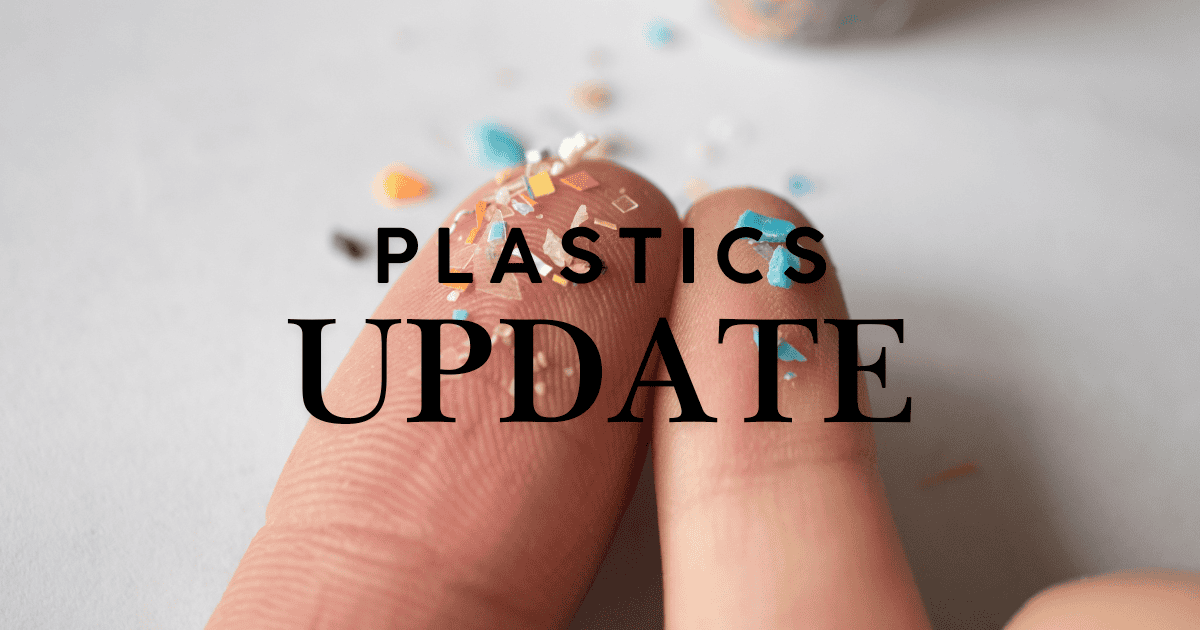
Microplastics and Prostate Health: New Evidence for the “Living Well” Perspective

In a recent post, we took a grounded look at the growing conversation around microplastics. At that time, the consensus was clear: while these microscopic particles are everywhere, we lacked the “smoking gun” of real-world human data to justify significant health anxiety. I emphasized that for seniors, focusing on proven pillars of longevity, like blood pressure, movement, and social connection, was far more impactful than worrying about trace environmental exposures.
However, science moves fast.
This week, a landmark study presented at the 2026 ASCO Genitourinary Cancers Symposium has shifted the landscape. Researchers from NYU Langone Health have provided exactly what was missing: direct, clinical evidence of microplastics within human tissue, specifically in the context of prostate cancer.
If you are a man, or have a man in your life, this is an update worth reading. It doesn’t mean it’s time to panic, but it does mean it’s time to refine our “Living Well” strategies with new, specific information.
The Study: What Was Discovered?
The study, led by Dr. Stacy Loeb, examined tissue samples from 110 patients undergoing surgery for prostate cancer. Unlike previous studies that relied on animal models or laboratory “petri dish” environments, this research looked at actual human organs.
The findings were striking:
- Widespread Presence: Microplastics were found in over 90% of the prostate tumors analyzed.
- Concentrated Accumulation: Perhaps most significantly, the concentration of these plastic particles was 2.5 times higher in the cancerous tissue than in the healthy tissue neighboring the tumors.
- Specific Culprits: The most common materials found were polyethylene (used in plastic bags and bottles), nylon (found in synthetic clothing), and polystyrene (used in food packaging and insulation).
Why This Matters for Seniors
Prostate cancer is the most common non-skin cancer among men in the United States, and the risk increases significantly with age. For years, we have known that chronic inflammation is a primary driver of cancer development.
The researchers in this study suggest that these microscopic shards of plastic aren’t just “sitting there.” Their jagged shapes and chemical compositions may act as physical irritants to human cells, triggering a localized inflammatory response. In the delicate environment of the prostate, this persistent irritation could potentially create a “fertile soil” for cancer cells to grow or thrive.
In our previous discussion, I noted that we didn’t know if microplastics caused immediate disease. This study doesn’t claim that “plastic causes cancer,” but it does suggest that plastic accumulates where disease is present. This is a subtle but vital distinction that moves microplastics from a “general environmental concern” to a “specific health factor.”
Balancing the News: Risk vs. Reality
It is easy to see a headline like “90% of Tumors Contain Plastic” and feel a sense of hopelessness. After all, we live in a plastic world. However, the “Living Well” philosophy is about informed action, not paralyzing fear.
Even with this new data, my previous advice holds true: The “Big Pillars” of health still matter most. If your blood pressure is high, if you aren’t moving your body, or if your diet is poor, those factors remain much larger threats to your longevity than the nylon fibers in your prostate.
Think of microplastic reduction as “leveling up” your health. Once you have the basics of senior wellness under control, addressing these environmental factors is the next logical step in a proactive lifestyle.
Actionable Steps: The “Low-Stress” Cleanup
The NYU researchers didn’t just present a problem; they offered specific ways to reduce the “plastic burden” on our bodies. Here is how we can apply this to a senior lifestyle:
1. The Microwave Rule (The Most Important Step)
Heat is the primary catalyst that causes plastic to “shed” into our food. When you microwave a plastic container, billions of microplastic particles can be released into your meal.
- Living Well Tip: Switch entirely to glass or ceramic for heating food. Even if a plastic container says “microwave safe,” that usually just means it won’t melt. It doesn’t mean it isn’t leaching particles into your soup.

2. Revisit Your Hydration
The study highlighted polyethylene, the plastic used in disposable water bottles.
- Living Well Tip: Invest in a high-quality stainless steel or glass water bottle. Not only is it better for the planet, but it significantly reduces the daily “dose” of plastic you ingest, especially if those plastic bottles have been sitting in a warm car or warehouse.

3. Fresh Over Wrapped
Polystyrene (Styrofoam) and thin plastic wraps are major contributors to the plastic load.
- Living Well Tip: Whenever possible, choose loose produce over pre-wrapped vegetables. If you do buy meat or fish on a Styrofoam tray, transfer it to a different container as soon as you get home.
4. Dust is a Vector
Surprisingly, much of the microplastic we ingest comes from household dust, which is often composed of tiny fibers from synthetic carpets and clothing (nylon).
- Living Well Tip: Regular vacuuming with a HEPA filter and using a damp cloth to dust can significantly reduce the “invisible” plastic load in your home environment.
The Bottom Line
A few months ago, we said the evidence for microplastic harm was “ongoing.” Today, we can say the evidence is “concerning.”
For the modern senior, “Living Well” means being adaptable. We don’t need to live in a bubble, but we should be smart about the variables we can control. By making small, non-stressful changes, like ditching the plastic microwave tray, we are taking an active role in our long-term health.
The science is evolving, and so should our habits. But remember: keep walking, keep eating your greens, and keep connecting with your community. Those remain your best defenses against any health challenge.
To Leave A Comment, scroll to the bottom of the page, past the subscription form and past the Similar Posts section. I love hearing from you!







I agree with Tami, the Oofos sandals are the best! . I’m packing them for the trip. I have plantar fasciitis and these shoes never hurt my feet.
I’ll borrow yours! xo Looking forward to seeing you!
We use a lot of plastic containers for reheating leftovers. We also drink water from plastic bottles because our water is not of good quality. I wish I knew what water is healthy. Thank you for educating us in this manner. I always say our food is making us sick.
I do the same, but I’m trying to make small changes! Have a great weekend. 🙂
Thank you for the update!! In a world of ever changing ‘facts’ it’s important to have evidence so informed decisions can be made. When Tupperware was a staple in the kitchen, we would never heat anything in it, who could afford to replace it? Today storage containers are so inexpensive that they can be tossed or recycled frequently.
You’re welcome. I wasn’t worried, but now I’m going to make sure we get rid of the plastic junk. 🙂