Microplastics and Everyday Life: Should You Be Concerned?

You’ve probably heard the word microplastics popping up everywhere lately, on the news, in health articles, and even in conversations about food and water. It can sound alarming, especially when the headlines make it feel like plastics are suddenly everywhere.
So let’s slow this down and talk about what microplastics really are, what scientists actually know so far, and what practical steps, if any, are worth taking.
What Are Microplastics?
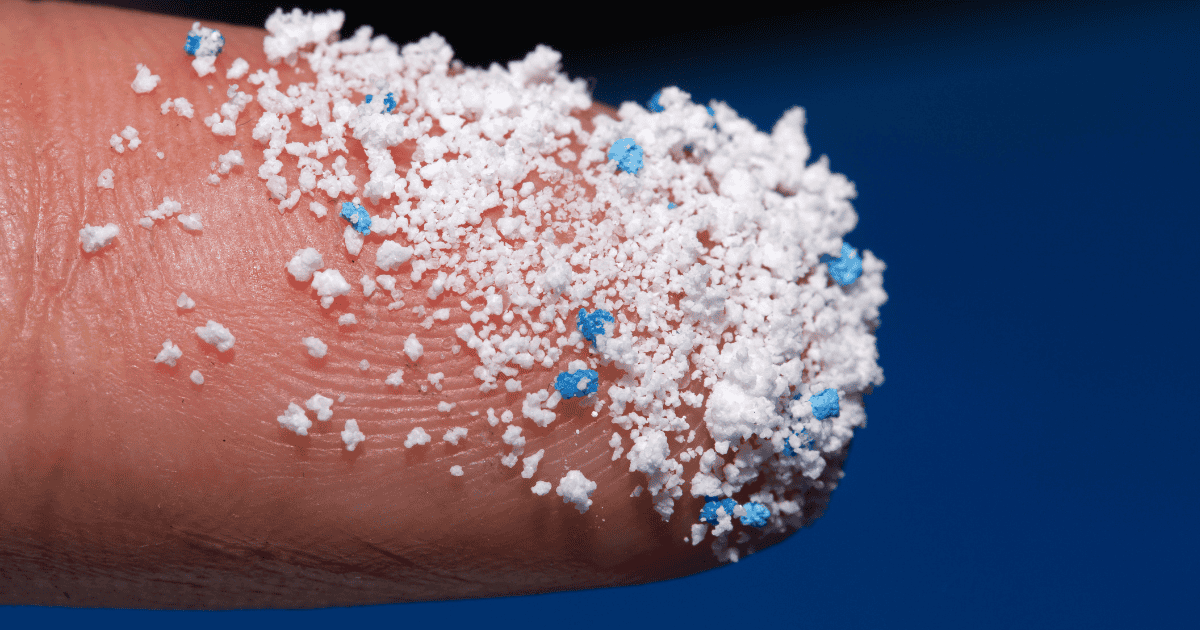
Microplastics are tiny pieces of plastic, usually smaller than a grain of rice. Some are so small you can’t see them without a microscope.
They come from two main sources:
• Breakdown of larger plastics like bottles, bags, food containers, and packaging • Manufactured microplastics, such as fibers from clothing, tire wear from cars, or particles used in some industrial processes
Over time, plastics don’t disappear; they just break down into smaller and smaller pieces.
Because plastic is used so widely, microplastics have now been found in water, soil, air, food, and even household dust.
Where Are We Exposed to Microplastics?
Most exposure happens through everyday life, not unusual behavior.
Common sources include:
• Drinking water (both bottled and tap) • Food packaging and takeout containers • Synthetic clothing that sheds tiny fibers • Household dust and air • Seafood and certain processed foods
This sounds unsettling, but it’s important to keep perspective: microplastics have been present for decades, even though we’re only recently measuring them more precisely.
Should We Be Worried About Microplastics?
This is where the conversation needs balance.
Scientists agree on three things:
1. Microplastics are widespread
2. We are exposed to them regularly
3. Research is still ongoing
What we don’t know yet is how much harm they cause at the levels most people are exposed to.
So far: • There is no clear evidence that everyday microplastic exposure causes immediate disease • Studies are ongoing about inflammation, hormone disruption, and long-term effects • Most current concerns come from lab studies, not real-world human data
In other words, microplastics are a legitimate area of study, but not something that should cause daily anxiety.
For seniors especially, doctors consistently emphasize that managing known risks – blood pressure, heart health, movement, nutrition, and social connection – has a far greater impact on health and longevity than worrying about trace environmental exposures.
What Actually Helps Reduce Exposure?
You don’t need to overhaul your life or replace everything in your home. Small, reasonable changes can lower exposure without stress.
Here are the most practical steps:
1) Choose Glass or Stainless Steel for Hot Foods
2) Heat causes plastics to shed more particles.
Helpful swaps: • Use glass or ceramic containers for leftovers • Avoid microwaving food in plastic • Choose stainless steel or glass water bottles


You don’t have to throw everything away; just focus on what touches heat.
Be Thoughtful About Bottled Water
Bottled water can contain more microplastics than tap water.
If possible:
• Use a reusable bottle
• Consider a basic home water filter
• Drink tap water if your local supply is safe
This is one of the easiest changes with multiple benefits.
Wash Synthetic Clothing Less Aggressively
Synthetic fabrics release microfibers during washing.
Simple steps: • Wash clothes on gentle cycles • Use cold water when possible • Avoid over-washing
This also helps your clothes last longer.
Ventilate and Dust Regularly
Microplastics can accumulate in indoor dust.
Helpful habits: • Open windows when weather allows • Vacuum with a HEPA filter • Dust with a damp cloth instead of dry dusting
Cleaner air benefits lungs and allergies, too.
Focus on Overall Health First
This may be the most important point.
Your body is remarkably good at handling small environmental exposures when it is supported by:
• Regular movement
• A balanced diet with fiber
• Proper hydration
• Good sleep
• Stress management
A strong, well-functioning body is more protective than any single product or swap.
What Not to Do
It’s easy to go too far with this topic.
You do not need to:
• Replace all plastic items in your home immediately
• Buy expensive detox products
• Follow extreme diets
• Panic over occasional plastic use
There is currently no medical recommendation for detoxing microplastics, and many products claiming to do so are unsupported by science.
The Bottom Line
Microplastics are real. They are widespread. And yes, scientists are still studying them.
But they are not a reason for fear, especially for older adults.
A few thoughtful changes can reduce exposure, but your energy is far better spent on the habits we already know support long, healthy lives: staying active, eating well, staying socially connected, and managing stress.
Living well has always been about balance, not perfection.
Sources & Further Reading
World Health Organization (WHO):
Microplastics in Drinking-Water





Thanks for this information. I am enjoying all of your posts.
Thank you, Sherrie! Merry Christmas!
Thank you for a balanced perspective on a topic the news uses to promote fear and anxiety.
You are doing a great job of bringing relevant topics for our group. Thank you!
Thank you, Linda! I appreciate you being a part of the community!
Thanks for the reminder. I really needed some new lunch containers
I have to make some new purchases, too. All my things are in storage.