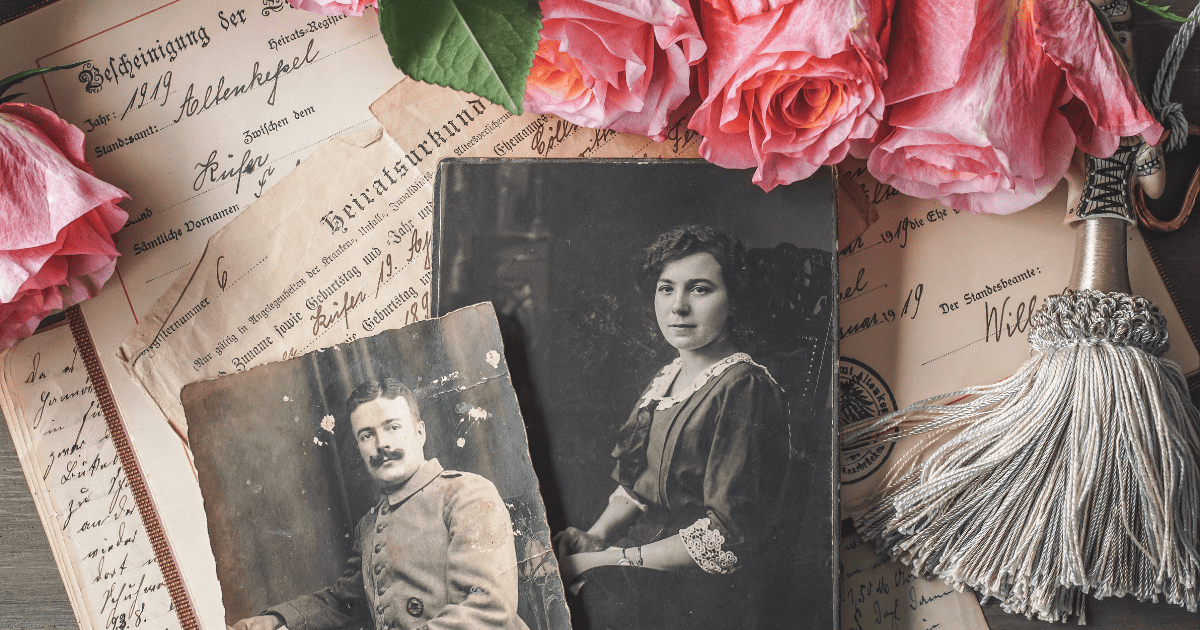
Why Genealogy Is the Ultimate Brain-Boosting Hobby for Seniors

Many people think of genealogy as just dusty records and dates, but for those of us over 60, it is a powerful form of wellness therapy. Digging into your family roots is an active way to nourish your mental health, sharpen your mind, and build a lasting bridge to the next generation.
Beyond a simple hobby, ancestry research is a journey of self-discovery that offers a unique sense of belonging.
1. The Therapeutic Power of the “Family Story”
Researching your ancestors does more than fill a chart; it helps you understand where you come from in a deeper, more personal way.
- Boosting Purpose: Retiring from a career can sometimes leave a void. Genealogy provides a “detective” mission that offers daily motivation and a reason to wake up with a goal.
- Combating Loneliness: Connecting with distant cousins or interviewing relatives fosters social interaction. Even the “interaction” with ancestors provides a profound sense of belonging to something larger than yourself.
- Emotional Closure: Uncovering the truth about a family mystery or understanding the hardships a grandparent faced can provide a sense of peace and perspective on your own life journey.
2. Sharpening the “Mental Muscle”
Tracing a lineage is like a workout for your brain. It involves:
- Problem-Solving: Piecing together clues from 100-year-old records.
- Organization: Managing digital files, photos, and timelines.
- Learning New Skills: Navigating modern apps and DNA technology keeps the mind adaptable and tech-savvy.
3. Digital Tools: Ancestry Made Easy
You don’t need to be a computer whiz to get started. These tools are designed with user-friendly interfaces:
| Tool | Why It’s Great for Seniors |
| FamilySearch | Completely free. It has a huge database and a simple “Tree” view that is very easy to read. |
| Ancestry.com | The “leaf” system gives you “hints,” doing much of the heavy lifting for you. |
| MyHeritage | Excellent “Photo Enhancer” tools that can animate old black-and-white photos. |
| Find A Grave | A wonderful way to “visit” ancestral resting places from your living room. |
4. Legacy Building: Sharing the Treasure
Finding the information is only half the joy. The “Wellness” comes full circle when you share it.
- The “Grandchild Bridge”: Show your grandchildren the “cool” parts, the family outlaw, the war hero, or the ancestor who sailed across the ocean.
- Memory Books: Services like StoryWorth or simple photo-book apps let you turn your research into a physical heirloom.
- Family Newsletters: A simple monthly email or a printed “Fun Fact of the Month” keeps you connected to busy relatives.
5. The “Ancestry Scavenger Hunt”: A 5-Minute Brain Game
Don’t wait for a subscription service! Start your therapy session right now with these three questions. Grab a notepad and see if you can answer:
- The Sensory Memory: What is one specific smell (a perfume, a tobacco, a certain meal) you associate with a grandparent?
- The Heirloom Mystery: Is there an object in your house right now, a clock, a piece of jewelry, or a tool, that has outlived its original owner?
- The “Why” Name: Do you know the exact reason you were given your middle name? If not, who can you call today to find out?
6. Interactive Element: The Resilience Reflection
“Your ancestors survived 100% of their hardest days so that you could be here today.”
When you feel overwhelmed by the modern world, look at your family tree. Find one ancestor who lived through a historic hardship (The Great Depression, a world war, or a pandemic). Write down one trait they had, persistence, humor, or faith, that you see in your mirror today. That is your living legacy.
7. The Legacy Interview Guide: 10 Questions to Uncover the Heart
If you have the chance to speak with a sibling or cousin, use these “heart-centered” prompts. Pro-tip: Record the conversation on your phone’s “Voice Memo” app so the family can hear their voice forever.
- The Childhood Flavor: If you could walk into our childhood kitchen right now, what is the first thing you would smell?
- The First Big Adventure: What is the furthest you ever traveled from home before you turned 18?
- The Unsung Hero: Which relative do you think was the “glue” that held our family together when things got tough?
- Life Before Tech: What is one sound or gadget from our youth that you wish the grandkids could experience?
- The Lesson of Hard Times: Looking back at a particularly hard year, what did you learn about yourself?
- The Missing Link: If you could have dinner with one ancestor who passed before we were born, who would it be?
- The Story of a Name: Is there a family name that you think carries a special responsibility in our family?
- The Secret to Resilience: What “family trait” has helped us keep going through the generations?
- Advice to the Future: If a great-great-grandchild finds this 50 years from now, what is one piece of advice you’d give them?
- The Joy Question: Of all the roles you’ve played in your life, which one brought you the most unexpected joy?
8. Quick Tips for “Emotional Safety”
Researching can sometimes reveal “difficult” ancestors. To keep this a positive wellness activity:
- Focus on Context: Remember that people are products of their time.
- Look for the Helpers: If you find a tragic story, look for the family member who stepped up to help.
- Set a Timer: Genealogy can be a “rabbit hole.” Limit your research to 45-minute sessions to avoid eye strain.
In Conclusion
Genealogy isn’t just about looking backward; it’s about grounding yourself in the present. When you understand the resilience of those who came before you, you recognize that same strength within yourself. By digging into your roots, you aren’t just uncovering the past you are building a healthier, more connected future for yourself and your family.
To Leave A Comment, scroll to the bottom of the page, past the subscription form and past the Similar Posts section. I love hearing from you!