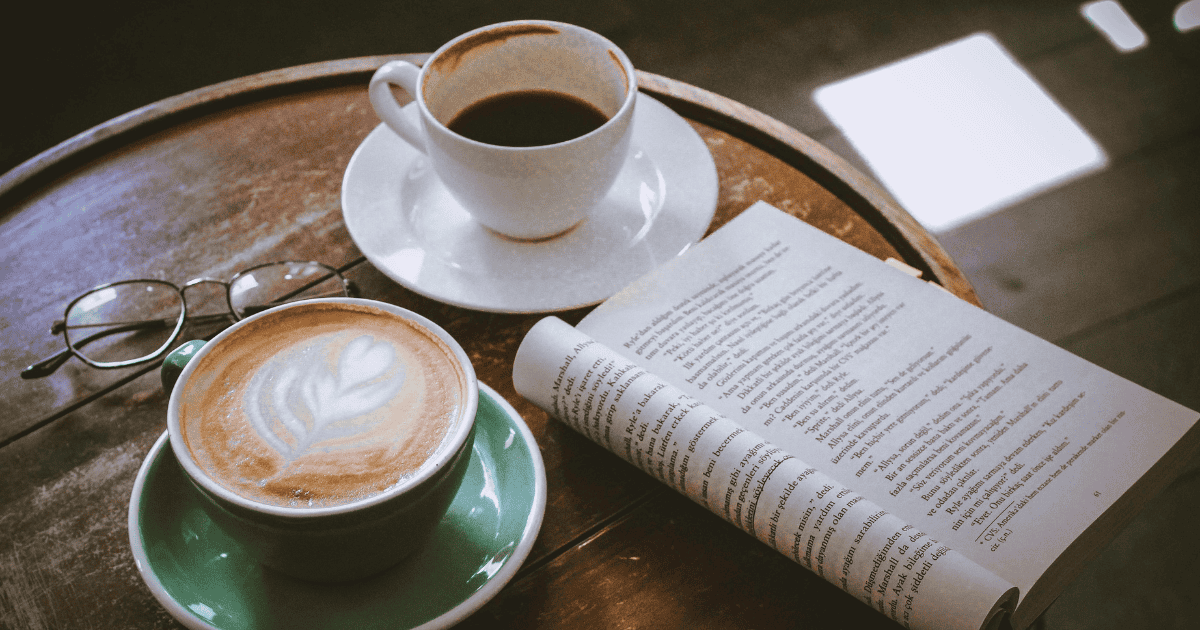
The Coffee-Gut Connection: Why Your Morning Cup is a Mood-Shaping Powerhouse
For years, we’ve been told that coffee is a “guilty pleasure” or something to be limited as we age. But this month, the script has officially flipped. New research from APC Microbiome Ireland (April 21, 2026) has finally mapped the “Gut-Brain Axis” of coffee. It turns out your morning brew, whether leaded or unleaded, is actually a sophisticated tool for shaping your gut microbiome, which in turn, reshapes your mental health.
- The Morning Nap: A Hidden Health Signal or Just a Cozy Habit?
- Flower Arranging Made Simple: A Beautiful Way to Enjoy the Season
1. The “Coffee Bug” and Your Microbiome
Scientists have recently identified a specific microbe, L. asaccharolyticus, so uniquely tied to coffee that they can now look at a person’s gut profile and tell with nearly 100% accuracy if they are a coffee drinker!
- The “Fuel” Factor: Coffee is a surprising source of soluble fiber and polyphenols. These aren’t just antioxidants; they are “prebiotics” that act as premium fuel for beneficial bacteria.
- The Results: Regular drinkers show a much higher abundance of Firmicutes, a group of bacteria directly linked to positive emotions and lower stress levels, particularly in women.
2. The Great Decaf vs. Regular Debate
The April 2026 study conducted a “re-introduction” test: after two weeks of no coffee, participants were given either caffeinated or decaf. The results were startlingly specific:
- Team Decaf (The Memory Keepers): Significant improvements in learning and memory were found only in those drinking decaf. Why? Scientists believe that without the interference of caffeine, the brain can more effectively absorb the bean’s polyphenols, which protect the hippocampus (the brain’s memory center).
- Team Regular (The Anxiety Fighters): While we think of caffeine as “jittery,” the study found that moderate caffeinated coffee actually reduced feelings of anxiety and improved vigilance. The caffeine helps stabilize mood receptors in the brain, making you more resilient to the “curveballs” of the day.
3. The “Two-Week Reset” Warning
In the study, when regular drinkers stopped having coffee for just 14 days, their gut metabolite profiles changed drastically. They reported higher levels of:
- Impulsivity
- Perceived Stress
- Lowered Mood
- This suggests that coffee isn’t just a habit; it’s a form of biological maintenance. When you take the “maintenance” away, the gut-brain communication begins to break down.
How to Optimize Your Brew for 2026
If you want to maximize the “Living Well” benefits of this new science, here is your game plan:
- The 50/50 Strategy: Consider a “half-calf” blend. You’ll get the memory-boosting polyphenol power of the decaf beans and the mood-stabilizing, anti-inflammatory benefits of the caffeine.
- The “Golden Window”: Aim to finish your coffee consumption before noon. This protects your sleep architecture while ensuring your gut microbes have all afternoon to process those metabolites and send “calm signals” to your brain.
- Organic or Bust: Because coffee is a fermented product that feeds your microbiome, quality is non-negotiable. Choose organic, mold-tested beans to ensure you aren’t feeding your gut “bugs” any unwanted pesticides or toxins.
The Bottom Line: Your coffee ritual isn’t just a way to wake up, it’s a daily intervention for a healthier gut and a sharper, happier brain. So, whether you’re looking out over the woods or heading to the pickleball court, drink up!
What do you think? Coffee drinkers, how many cups do you drink per day? Give us your special order. 🙂






I was wondering does the coffee need to be coffee beans or can it be a Kcup?
I think it’s all about the quality of the coffee. If you get good quality Kcups that should work. Just be aware of the plastics. There’s always something! 🙂