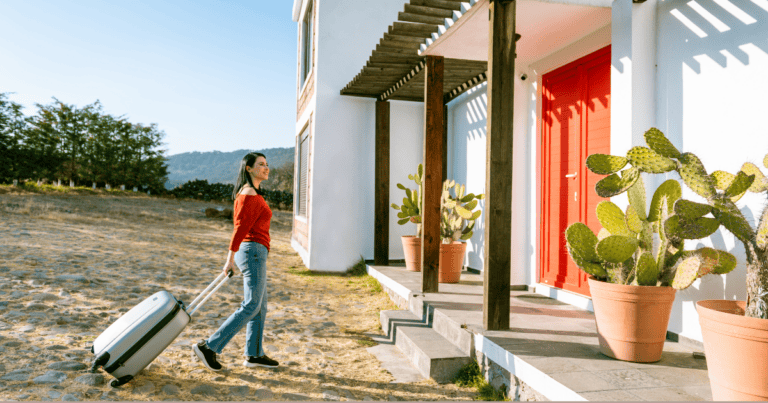
How to Travel Safely During Your Retirement Years
Retirement is the perfect time to explore new destinations, visit family, and embark on adventures you’ve always dreamed about. However, traveling during your retirement years comes with its own set of considerations, especially when it comes to safety. Whether you’re planning a cross-country road trip or an international getaway, staying safe on the road is key to enjoying your travels.
Here are some essential tips for staying safe while traveling during your retirement years.
Plan Ahead
Proper planning is the foundation of a safe and enjoyable trip. Before you embark on your journey, take the time to thoroughly research your destination, accommodations, and travel routes. Make sure to consider factors like the weather, health conditions at your destination, and local customs.
If you’re traveling abroad, check travel advisories from the U.S. Department of State and familiarize yourself with the local laws and any potential safety risks. Make copies of important travel documents like your passport, driver’s license, travel itinerary, and insurance information, and keep them in a safe place separate from the originals.
Pro Tip: Create a digital copy of your travel documents and email them to yourself or save them in a secure cloud storage service. This ensures you can access them from anywhere if needed.
Pack Smart and Light
Packing smartly is essential for senior travelers. Consider the limitations of your mobility and try to pack light to avoid carrying heavy bags. Rolling suitcases with 360-degree wheels are ideal for seniors as they reduce strain on your body and are easier to maneuver through airports or hotels.
Keep essential items such as medications, identification, and travel documents in your carry-on or a small day bag that stays with you at all times. Don’t forget to pack a small first aid kit with any necessary medications, band-aids, antiseptic, and over-the-counter remedies you might need while traveling.
Pro Tip: If you’re flying, carry your medications in their original labeled containers and keep them in your carry-on. Also, pack a few days’ worth of extra medication in case your trip gets extended.
Prioritize Health and Wellness
Staying healthy while traveling is crucial, especially for seniors. Make sure you’re up to date on any necessary vaccinations and check with your doctor before your trip to address any medical concerns. If you have chronic conditions, ask your healthcare provider for a copy of your medical records and bring enough medications to last your entire trip, plus a few extra days.
Staying hydrated is also important while traveling, especially during long flights or road trips. Carry a refillable water bottle with you, and remember to move around or stretch periodically to prevent stiffness or blood clots.
Pro Tip: Consider travel insurance, especially if you’re going overseas. Travel insurance can help cover unexpected medical expenses, cancellations, or lost luggage, giving you peace of mind while you’re away from home.
Choose Senior-Friendly Accommodations
When booking accommodations, look for senior-friendly options that cater to your needs. Hotels or resorts with elevators, ramps, or ground-floor rooms can make a big difference in comfort and accessibility. If you have mobility issues, call ahead to ensure the hotel can accommodate any special requests, such as wheelchair-accessible rooms or showers with grab bars.
In addition, make sure your accommodations are located in a safe neighborhood and close to the attractions or activities you plan to enjoy. Having easy access to restaurants, shops, and transportation can help reduce the stress of navigating unfamiliar areas.
Pro Tip: Opt for well-reviewed accommodations that are known for cleanliness, safety, and senior-friendly amenities.
Be Aware of Scams and Fraud
Unfortunately, tourists are often targeted by scammers, and seniors can be particularly vulnerable. Stay vigilant when it comes to protecting your personal information and finances while traveling. Avoid sharing sensitive information like your credit card details or passport number with strangers, and be cautious when using public Wi-Fi networks for online banking or entering personal data.
When traveling, it’s a good idea to keep a close eye on your belongings, especially in crowded areas. Use a money belt or neck pouch to carry your passport, cash, and credit cards, and avoid displaying large amounts of cash in public.
Pro Tip: Let your bank know about your travel plans before you leave to avoid any issues with your credit cards being flagged for suspicious activity. It also helps protect you in case of fraud.
Stay Connected
Maintaining communication with friends or family members while traveling is an important safety measure, especially if you’re traveling alone. Share your travel itinerary with a trusted friend or family member, including your flight details, hotel information, and contact numbers.
If you’re traveling internationally, consider getting an international phone plan or a local SIM card to ensure you can stay connected. Many smartphones also have features like location sharing, which allows you to share your real-time location with someone you trust.
Pro Tip: Regularly check in with a loved one back home, whether by phone, text, or email. This will help reassure them that you’re safe and allow them to reach you quickly in case of an emergency.
Be Mindful of Physical Activity
While travel can be exciting, it’s important to be mindful of your physical limitations. Avoid overexerting yourself with strenuous activities, especially if you’re not accustomed to regular exercise. Listen to your body, take breaks when needed, and don’t feel pressured to participate in activities that might put your health at risk.
Walking is a great way to explore new places, but be mindful of uneven terrain, cobblestone streets, or long staircases. Wear supportive shoes, stay hydrated, and pace yourself to prevent fatigue or injury.
Pro Tip: Consider using a walking stick or trekking poles if you’re planning to do a lot of walking or exploring. They can provide extra support and help prevent falls.
Stay Safe During Transportation
Whether you’re flying, driving, or taking public transportation, safety during travel is a top priority. If you’re driving, plan your route in advance, avoid driving at night, and take regular breaks to prevent fatigue. For air travel, make sure to arrive at the airport early to allow plenty of time to get through security, check your bags, and find your gate.
When using public transportation, stay aware of your surroundings and avoid empty or poorly lit stations. Keep your valuables close and be cautious when accepting offers for transportation from strangers.
Pro Tip: If you’re traveling by taxi or rideshare, confirm the driver’s name and vehicle details before getting in, and share your ride information with a friend or family member.
Traveling during your retirement years is an exciting opportunity to see new places, reconnect with loved ones, and enjoy life’s adventures. By planning ahead, staying aware of your surroundings, and prioritizing your health and safety, you can make the most of your travels while maintaining your independence and well-being.