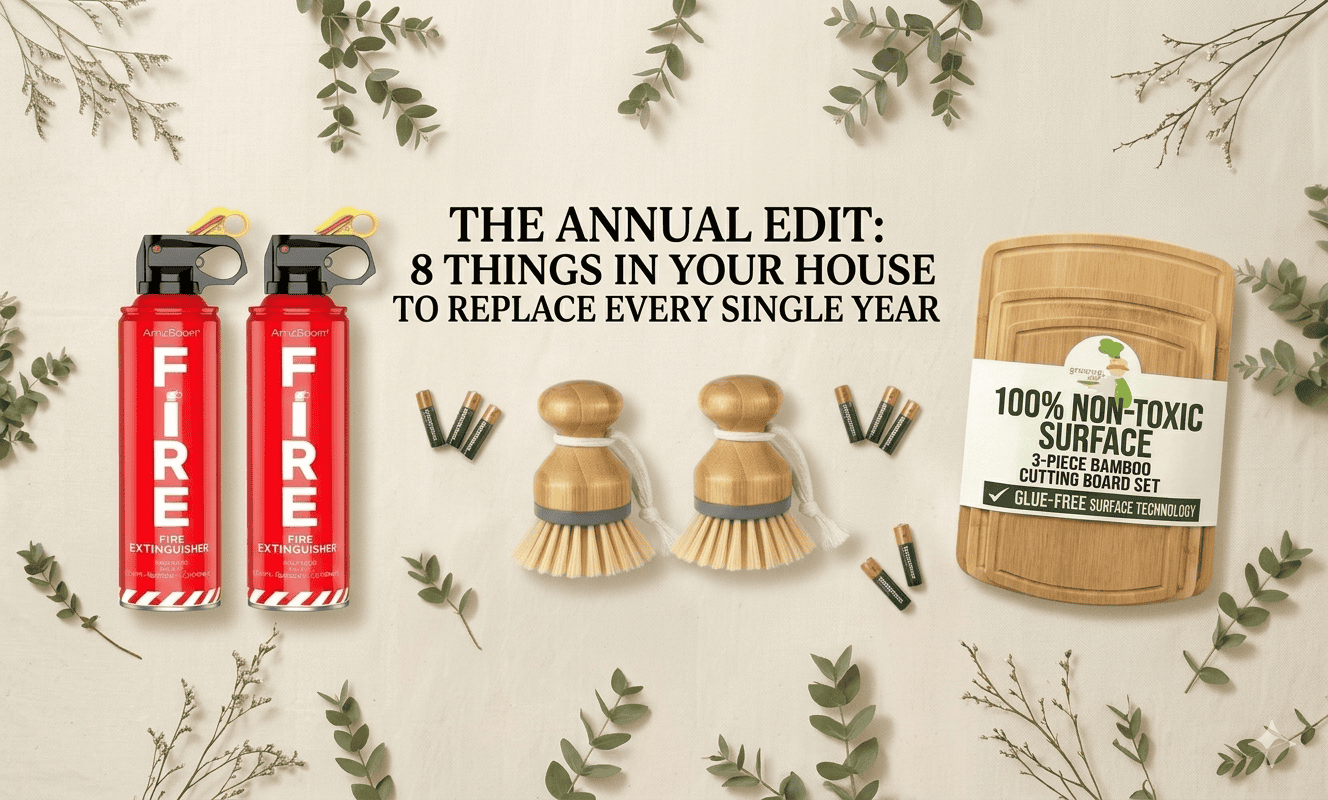
The Annual Edit: 8 Things in Your House to Replace Every Single Year

We all remember to check our smoke detector batteries when daylight saving time rolls around, but what about the rest of the house?
There are several everyday items we look at, touch, and use constantly that quietly collect bacteria, lose their physical effectiveness, or become hidden safety hazards over time. If you can’t remember the last time you swapped these out, it’s probably time for a refresh.
Add these eight simple replacements to your annual home maintenance checklist to keep your living space healthy, clean, and safe.
- Updating Your Outdoor Space: Simple Ways to Create a Beautiful Backyard Retreat
- Why “Modern Organic” is the Defining Trend of 2026
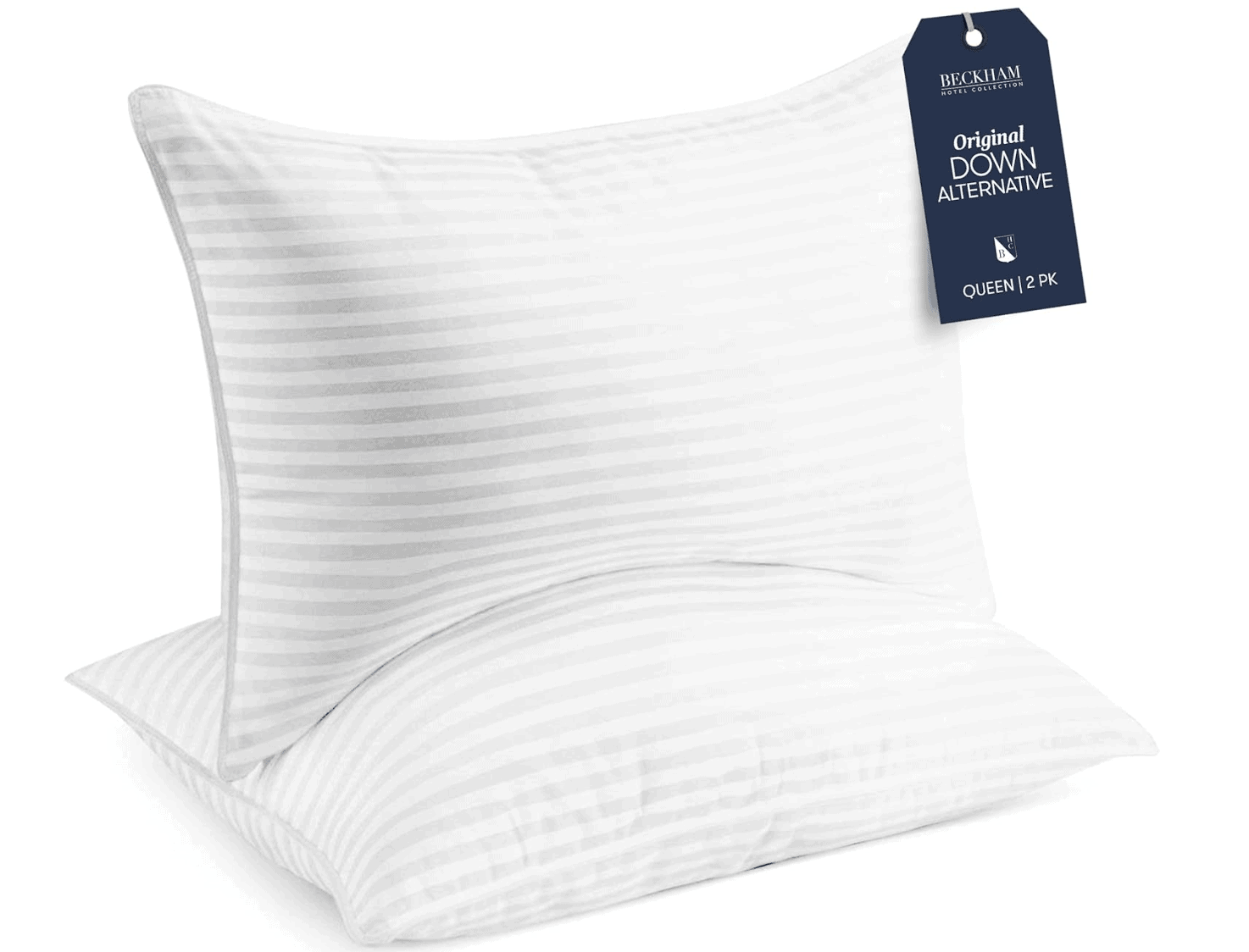
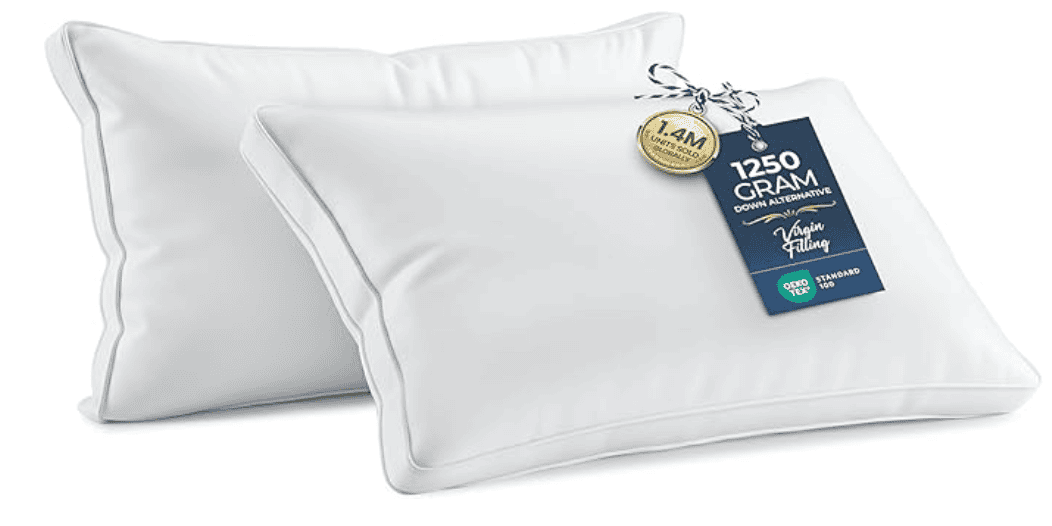
1. Bed Pillows
Even if you wash your pillowcases weekly, the pillow itself absorbs sweat, body oils, dead skin cells, and microscopic dust mites over a year of nightly use. Beyond the hygiene factor, a year’s worth of compression means the material breaks down, losing the crucial neck and spinal support you need for restful sleep.
- The Upgrade: Swap your sleeping pillows annually.
- Go Deeper: Check out the National Sleep Foundation’s Guidelines on Bedding Hygiene to see exactly how old pillows impact both your skin and your sleep quality.
2. Kitchen Sponges & Dish Brushes
While standard kitchen sponges should be replaced every few weeks, heavy-duty wooden dish brushes or reusable scrubbers should be fully retired after a year. Over 12 months, micro-fissures in plastic and wood become breeding grounds for bacteria that soap and hot water can’t completely sanitize.
- The Upgrade: Toss the old ones and start fresh, or consider switching to non-porous silicone alternatives.
- Go Deeper: Read the USDA’s Cleanliness and Sanitation Report for tested methods on keeping food preparation surfaces genuinely safe.


3. Plastic Cutting Boards
While high-quality wooden cutting boards can often be sanded down and oiled, plastic cutting boards have a definite shelf life. Over a year of slicing and dicing, deep knife grooves form in the surface. These microscopic tracks are notoriously difficult to clean and become permanent hiding spots for food-borne bacteria.
- The Upgrade: Toss heavily grooved plastic boards and replace them with fresh ones, or consider upgrading to durable, non-porous wood or bamboo.
- Go Deeper: Read the USDA’s Guidelines on Cutting Board Safety to learn the best practices for sanitizing different kitchen surfaces.

4. Fabric or Plastic Shower Curtain Liners
Even if you run your shower liner through the washing machine with a bit of vinegar, a full year of daily steam, humidity, and soap scum takes a heavy toll. Eventually, micro-fissures in the material begin to harbor stubborn mold and mildew that standard washing simply can’t eliminate.
- The Upgrade: A fresh, inexpensive liner instantly brightens the entire bathroom and keeps your morning routine truly clean.
- Go Deeper: Explore Mental Health America’s Guide to Healthy Environments to see how reducing hidden indoor mold can physically improve your daily wellness.

5. Non-Stick Cookware
If you have a favorite non-stick frying pan that you use every single morning, take a close look at the surface. If you see tiny scratches, flaking, or a dull discoloration, the coating has compromised. Once the surface is nicked, it loses its non-stick properties and can begin releasing microscopic particles into your food.
- The Upgrade: Budget for a yearly replacement of your most-used daily pan, or upgrade to long-lasting cast iron or stainless steel.
- Go Deeper: Explore the Environmental Working Group’s Cookware Safety Breakdown to understand how different pan coatings behave over time.


6. Fire Extinguishers (The Small Disposable Kind)
Many small, disposable fire extinguishers tucked under kitchen sinks or out in the garage only have a reliable shelf life of one year. Over time, the pressure can slowly leak out, or the chemical powder inside can clump together, meaning it might not discharge properly when you absolutely need it to.
- The Upgrade: Check the pressure gauge monthly, and replace disposable models annually.
- Go Deeper: Review the National Fire Protection Association’s Home Safety Checklist to ensure your household emergency equipment is completely up to code.


7. Reusable Plastic Food Containers
Take a look into your tupperware drawer. If your plastic food storage containers are cloudy, warped from the dishwasher, or permanently stained, they have reached the end of their lifespan. Over time, heat and repeated washing degrade the plastic, making it easier for odors to stick around and the lids to lose their airtight seal.
- The Upgrade: Do a full drawer purge once a year. If you find yourself replacing them constantly, consider switching to thermal-shock resistant glass containers that last a lifetime.
- Go Deeper: Check out the Environmental Working Group’s Clean Living Guides to understand how to choose the safest materials for food storage.

8. Smart Home & Emergency Batteries
From your thermostat panel and smart water leak detectors to backup emergency flashlights, battery-operated devices usually top out at about a year of reliable life. Because these items sit completely out of sight and out of mind, a dead battery means you lose your early warning system right when a plumbing leak or power outage hits.
- The Upgrade: Pick a calendar date every year to swap out the batteries in all home sensors, alarms, and emergency kits at the same time.
- Go Deeper: Review the National Fire Protection Association’s Safety Advice on maintaining home battery-operated safety equipment.

Living Well Takeaway: Taking care of your home is a form of taking care of yourself. Spring cleaning is wonderful, but a deliberate, annual “replenish run” is what keeps a home running safely and smoothly. Pick one day this month to audit these eight items. Your body, your peace of mind, and your home will thank you.
Is it time to replace any of these in your house? Comment below what you’re updating!





Thanks for all the tips to make our homes more hygienic. I definitely need to replace my shower curtain and bath brush. I’ve changed some of my cutting boards but I found the bamboo ones very noisy. Do you have any suggestions for ones that are easy to clean and are quiet? I’m also wondering about environmentally safe cleaning products for shower stalls and toilets that don’t have strong smells that make you cough.
I’m in the same boat, Judy. Rubber coated cutting boards are supposed to be much quieter. Here’s one: https://amzn.to/4nEVUwy
Also, these Epicurean boards are highly reviewed. https://go.shopmy.us/p-59728167
Grove has a lot of eco-friendly cleaning products. This is an everyday shower cleaner. https://go.shopmy.us/p-59729913
Hope that helps. 🙂 Have a great day!