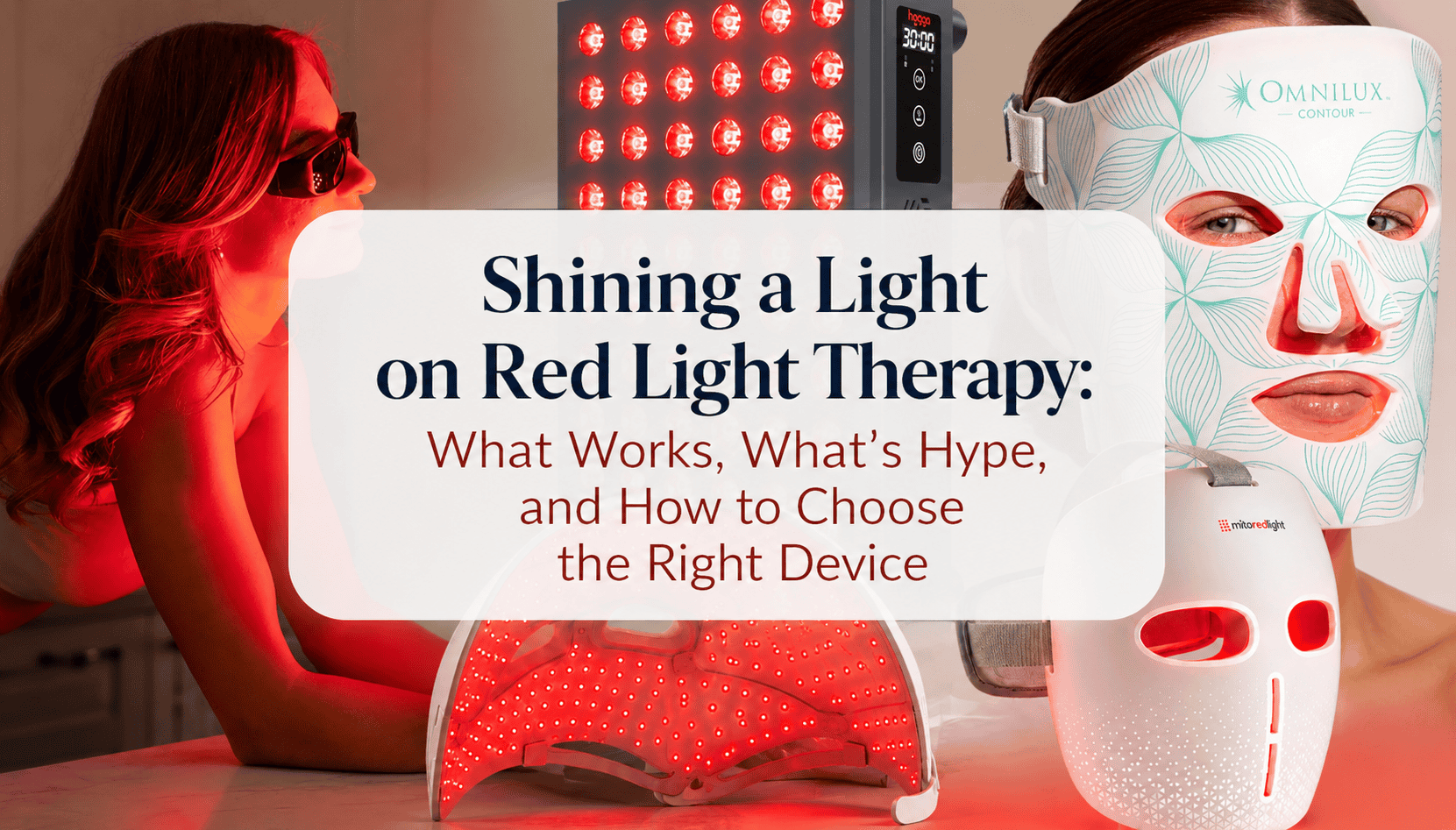
Shining a Light on Red Light Therapy: What Works, What’s Hype, and How to Choose the Right Device

If you’ve spent any time looking at wellness trends lately, you’ve probably seen people sitting in front of glowing red panels or wearing futuristic-looking light masks. It’s called Red Light Therapy (RLT), also known as photobiomodulation, and it’s become one of the most talked-about treatments for everything from wrinkles to arthritis pain.
Whenever something claims to help a long list of health concerns, it’s fair to wonder whether it’s legitimate or just another expensive fad.
The good news? Red light therapy isn’t magic, but it is backed by a growing body of research. Used consistently, it can be a helpful addition to a healthy lifestyle, especially for adults over 60.
- The Best Lightweight Pajamas for Hot Sleepers (By Style)
- Serving Pure Court-Side Elegance: The All-White Summer Edit
How Does Red Light Therapy Work?
Unlike heating pads or infrared saunas, red light therapy doesn’t rely on heat. Instead, it uses specific wavelengths of red and near-infrared light that penetrate the skin.
Inside each of our cells are tiny energy factories called mitochondria. As we get older, those mitochondria naturally become less efficient. Certain wavelengths of light help stimulate them to produce more ATP (adenosine triphosphate), the fuel our cells use for repair, healing, and normal function.
Think of it as giving your cells a little extra energy to do the jobs they were already designed to do.
What the Research Says
Red light therapy has been studied for decades. While it won’t cure every ailment, research suggests it may help in several important areas.
Joint Pain and Arthritis
This is one of the strongest areas of research.
Near-infrared light penetrates deep into muscles and joints, where it may help reduce inflammation, improve circulation, and decrease pain associated with osteoarthritis—particularly in the knees and hands.
If stiff joints are keeping you from walking, gardening, or playing with your grandchildren, red light therapy may provide some additional relief alongside your regular treatment plan.
Healthier, Younger-Looking Skin
One reason red light therapy has become so popular is its effect on collagen production.
The light stimulates fibroblasts, the cells responsible for making collagen and elastin. With regular use, many people notice:
- Softer fine lines
- Improved skin texture
- Better skin elasticity
- Faster healing of minor cuts and bruises
For older adults with thinner, more fragile skin, these benefits can be especially helpful.
Faster Healing
Because red light therapy increases cellular activity and circulation, it may speed recovery from:
- Minor muscle strains
- Exercise soreness
- Slow-healing skin wounds
- Bruising
Physical therapists and athletes commonly use it as part of rehabilitation programs.
Better Sleep
Some early research suggests that evening exposure to red light may support the body’s natural production of melatonin and help regulate the sleep-wake cycle.
While it isn’t a replacement for good sleep habits, many users report falling asleep more easily after making it part of their evening routine.
What Red Light Therapy Won’t Do
Let’s separate fact from fiction.
Red light therapy is not a miracle cure.
It won’t:
- Cure Alzheimer’s disease
- Eliminate chronic illnesses
- Melt away body fat
- Replace physical therapy
- Produce overnight results
Think of it as one more tool in your wellness toolbox, not a substitute for healthy habits or medical care.
How to Choose a Red Light Therapy Device
If you’ve searched online, you’ve probably seen everything from $30 light bulbs to multi-thousand-dollar full-body systems.
Price alone doesn’t determine quality.
Here are the features that actually matter.
1. Look for the Right Wavelengths
This is the single most important specification.
If a manufacturer doesn’t list the wavelengths in nanometers (nm), move on.
Look for devices that include:
- 630–660 nm for skin health, collagen production, and wound healing
- 810–850 nm for deeper penetration into muscles, tendons, and joints
Many quality devices combine both wavelengths so you receive the benefits of each.
2. Check the Irradiance
Irradiance tells you how much light actually reaches your body.
Look for approximately 100 mW/cm² at around six inches from the panel.
If the power output is much lower, you’ll need much longer treatment sessions to receive the same benefit.
3. Decide Which Style Fits Your Needs
Tabletop Panels
These are the best value for most people. They provide stronger output and can be used on your face, shoulders, knees, hips, or back.
Flexible Wraps
Wraps fit directly around knees, elbows, or the lower back. They’re convenient, although they often produce less power than solid panels.
Is Red Light Therapy Safe?
For most healthy adults, yes.
Red light therapy is considered non-invasive and has very few known side effects when used as directed.
A few simple precautions:
- Wear the protective goggles provided if treating your face.
- Be consistent. Aim for 10–20 minutes per session, three to five days each week.
- Give it time. Most people begin noticing improvements after four to six weeks of regular use.
- Talk with your physician before starting if you take medications that increase light sensitivity or have an active skin cancer.
Red Light Therapy Devices
If you decide to try red light therapy, quality matters. Many inexpensive devices simply don’t produce enough power to provide meaningful results.

For a highly effective, budget-friendly starter panel that features the ideal 660nm and 850nm wavelengths alongside a built-in stand, the Hooga HG300 Targeted Panel is an exceptional value.

The Mito Red Light MitoPRO+ Series is one of the most respected systems available. It uses multiple therapeutic wavelengths, offers excellent build quality, and is backed by a generous warranty.
Whichever brand you choose, look for companies that provide transparent specifications, third-party testing, a solid warranty, and a trial period.
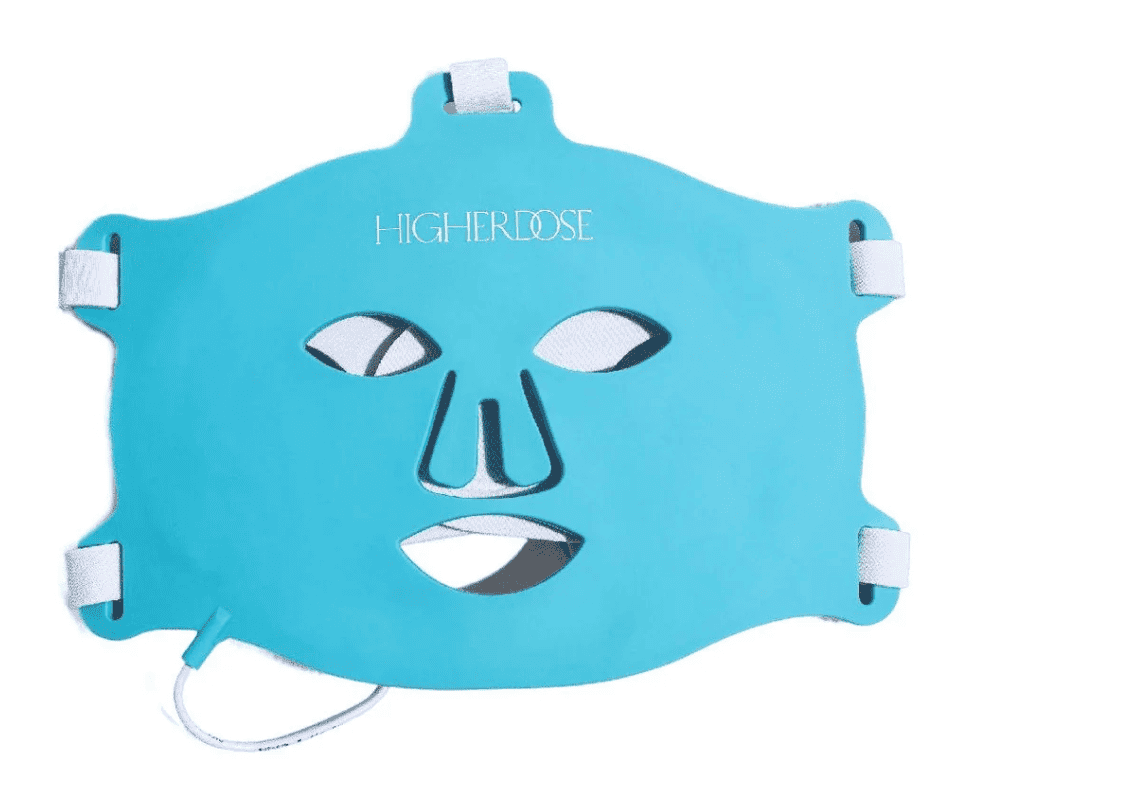
This flexible, cordless silicone mask fits snugly against the face to deliver a potent mix of red and deep near-infrared light right into the skin layers. It is highly praised for being incredibly comfortable and easy to wear around the house, making a relaxing, hands-free anti-aging routine entirely effortless.

The MitoGLOW LED Red Light Therapy Mask stands out by combining four distinct light types, red, near-infrared, blue, and yellow, into a single lightweight wearable device. It is ideal for those wanting to target complexion clarity, texture smoothing, and deep skin rejuvenation simultaneously.

Widely recognized as the gold standard by dermatologists, this FDA-cleared mask is globally celebrated for its clinically proven ability to smooth fine lines and reduce sun-damage pigmentation. It requires just a quick 10-minute session a few times a week, making it a beloved favorite for easy, medical-grade skin rejuvenation.
The Bottom Line
Red light therapy isn’t a miracle treatment, but it also isn’t hype.
The research supporting improvements in joint pain, skin health, recovery, and inflammation continues to grow, making it one of the more promising at-home wellness tools available today.
Like exercise, healthy eating, and good sleep, consistency matters far more than perfection.
If using a red light panel for a few minutes several times a week helps you move more comfortably, recover faster, or simply feel a little better, that’s a worthwhile investment in healthy aging.



I occasionally stumble upon articles along these lines at
the most impossible occasions. For example right now, I was in search of a specific thing on an absolutely different subject
and I uncovered this site in fact. I normally pass time hunting
the internet for article content, on the other hand usually I love to be out
in the open, backpacking in the local woodlands. There isn’t
anything like clean air to make you truly feel rejuvenated.
This can be whenever i am not doing work as an in-home massage
therapist. It occupies nearly all my spare time.
Well, I’m glad you found us! I hope you signed up for the newsletter. 🙂 I blog 5x a week but I send out a personal newsletter with other links, M/W/F/S. Thanks for taking the time to comment. 🙂
Thanks for posting this!!! I’ve been going to a chiropractor for laser treatment for my osteoarthritis for a month. My knees and back. It really does work!! My back feel great and I have even done my usual morning stretches! Knees are taking longer but I have to say, my swelling and inflammation seems greatly reduced!!
Yay! Thanks for the feedback. I hear awesome things!
Love this article.
Thank you. 🙂 I appreciate you being here.
I was gifted a Current Body red light hair helmet. I’ve been using it for about 5 months now, 10 minutes a day, 6 days a week, and it is definitely growing new hair on my head. My temples and hairline have totally filled in and I have 1-2 inch hair growing all over my head. I am thrilled.
That’s awesome!! Here’s a link if anyone else is interested. 🙂 https://go.shopmy.us/p-70050466
Hey Lisa, have you tried red light therapy yet? My daughter has ordered one. Thank you for the information.
I’m ordering one as soon as I get a sec. Tania swears by it! I can’t decide whether to do the tabletop or the face mask. I have such arthritis, I may get one that I can sit in front of easily.
Your post is very timely for me, Lisa. I have been annoyed by arthritis in the top of one of my feet. I am ready to get some additional relief than Voltarin
I have it in my hands. Arthritis is no joke! Good luck. 🙂
Lisa! Such a hot topic right now! Thank you for all the great information… I’m still on the fence 🙄 Slow learner here…Happy Wednesday ❤️❤️❤️
Thanks, Alison. Have a great week!!