The Small Organ That Can Cause Big Trouble: A Senior’s Guide to Gallbladder Health
Most of us never give our gallbladder a single thought. It quietly goes about its business tucked away under the liver, a tiny, pear-shaped organ just doing its job. But as we get older, this little powerhouse can start to slow down. In fact, by the time we reach our 60s and beyond, gallbladder issues become incredibly common.
When the gallbladder is happy, digestion runs like a well-oiled machine. When it’s unhappy? It can cause some of the most intense abdominal pain you’ll ever experience.
- Core Connections: Understanding and Strengthening the Lower Abdominal Wall
- The Signs of a Stroke Everyone Should Know (And What to Do Immediately)
Let’s look at exactly what your gallbladder does, why it gets a bit sluggish as we age, and, most importantly, the everyday steps you can take to keep it healthy.
What Does the Gallbladder Actually Do?
There is a common misconception that the gallbladder creates bile, the fluid needed to break down dietary fats. It actually doesn’t! Your liver produces the bile.
Think of your gallbladder as a highly efficient storage tank and recycling center.
When you eat a meal, especially one containing fats, your small intestine releases a hormone that signals the gallbladder to squeeze. The gallbladder contracts, pumping concentrated bile down the common bile duct and into your digestive tract to act like a natural dish soap, breaking those fats down into nutrients your body can absorb.
Because it’s just a storage tank, you can live without it. If it’s removed, the liver simply trickles bile directly into your digestive system continuously. But keeping your original equipment healthy makes digestion much smoother.
Why the Gallbladder Slows Down as We Age
As the decades pass, our bodies undergo subtle shifts, and the biliary system is no exception. Three main changes increase the risk of gallbladder trouble for seniors:
- Sluggish Squeezing: The muscles of the gallbladder don’t contract as forcefully as they used to. This means it doesn’t always empty completely, leaving behind a thick, stagnant fluid often called “gallbladder sludge.”
- Changes in Bile Chemistry: Over time, the balance of chemicals in our bile changes, often resulting in a higher concentration of cholesterol. When cholesterol sits in stagnant gallbladder sludge, it crystallizes, forming gallstones.
- Mobility and Medications: Slower overall physical activity can slow down digestion as a whole. Additionally, certain medications common in our later years (like hormone therapies or cholesterol-lowering drugs) can inadvertently increase stone formation.
The Red Flags to Watch For: Gallbladder pain isn’t a standard stomach ache. A typical “gallbladder attack” causes sudden, severe, tightening pain in the upper right side of your abdomen that can radiate directly to your right shoulder or between your shoulder blades. It often happens an hour or two after a heavy or rich meal and can be accompanied by nausea.
Your Action Plan for a Healthy Gallbladder
The fantastic news is that your gallbladder responds beautifully to daily lifestyle habits. You don’t need a drastic overhaul to protect it; you just need to keep things moving.
1. Eat the Right Fats (Don’t Skip Them!)
When people hear that fat triggers gallbladder pain, they often make the mistake of cutting out fat entirely. This can actually backfire. If you eat zero fat, your gallbladder never gets the signal to squeeze. The bile just sits there, stagnating and turning into stones.
The secret is focusing on healthy, unrefined fats that trigger a gentle contraction without overwhelming the system.
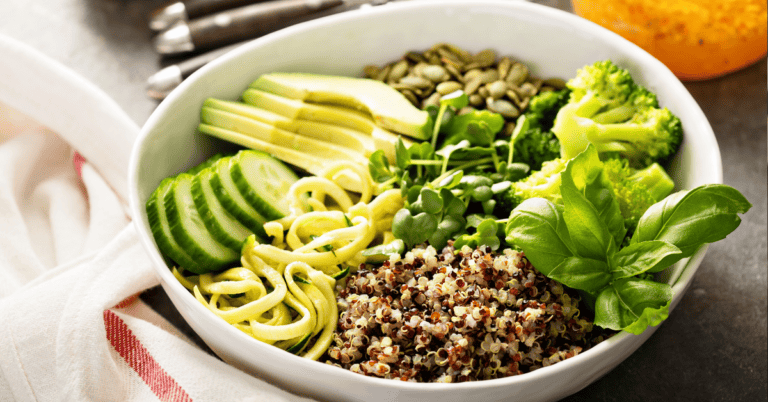
- Include: Olive oil, avocados, nuts, seeds, and wild-caught fish.
- Limit: Heavy fried foods, heavily processed meats, and rich, cream-heavy sauces.
2. Make Fiber Your Best Friend
Fiber binds to bile acids in your digestive tract, which helps lower overall cholesterol levels and keeps your entire digestive system moving predictably. A sluggish bowel can actually contribute to a sluggish gallbladder. Aim for a colorful variety of lentils, beans, oats, berries, and leafy greens.
3. Hydrate Constantly
Bile is primarily made of water. When you are chronically dehydrated, your bile becomes thicker, more concentrated, and far more likely to form crystals and stones. Keep a water bottle handy throughout the day; your digestive tract will thank you.
4. Focus on Gradual Weight Management
If you are carrying extra weight, losing it can significantly reduce your risk of gallstones. However, avoid crash diets. Rapid weight loss (losing more than 1 to 2 pounds a week) causes the liver to secrete extra cholesterol into the bile, which drastically increases your risk of sudden gallstones. Slow and steady wins the race.
5. Keep Moving
Physical activity is a natural jumpstart for your digestive organs. Regular movement, whether that’s a daily brisk walk, a round of pickleball, or regular gardening, helps stimulate the natural contractions of your intestines and gallbladder, keeping everything flowing exactly as it should.
Taking care of your gallbladder doesn’t require a complicated medical regimen; it really comes down to listening to your body and keeping things moving. By staying hydrated, enjoying wholesome, healthy fats, and keeping active, you’re giving this small but mighty organ exactly what it needs to do its job seamlessly. After all, living well in our senior years is all about supporting the hidden workhorses of our bodies so we can stay energized, comfortable, and ready for whatever the day brings. Have you ever had a brush with gallbladder trouble, or do you have a favorite gallbladder-friendly recipe? Let’s swap notes in the comments below!
Medical Disclaimer: The information provided in this article is for educational and informational purposes only and is not intended as medical advice. Gallbladder symptoms can sometimes mimic other serious health conditions. Always consult with your primary care physician or a qualified healthcare provider before making changes to your diet, exercise routine, or healthcare plan, especially if you are experiencing sudden or severe abdominal pain.