Smart Strategies for Seniors to Stay on Track With Healthy Eating This Thanksgiving
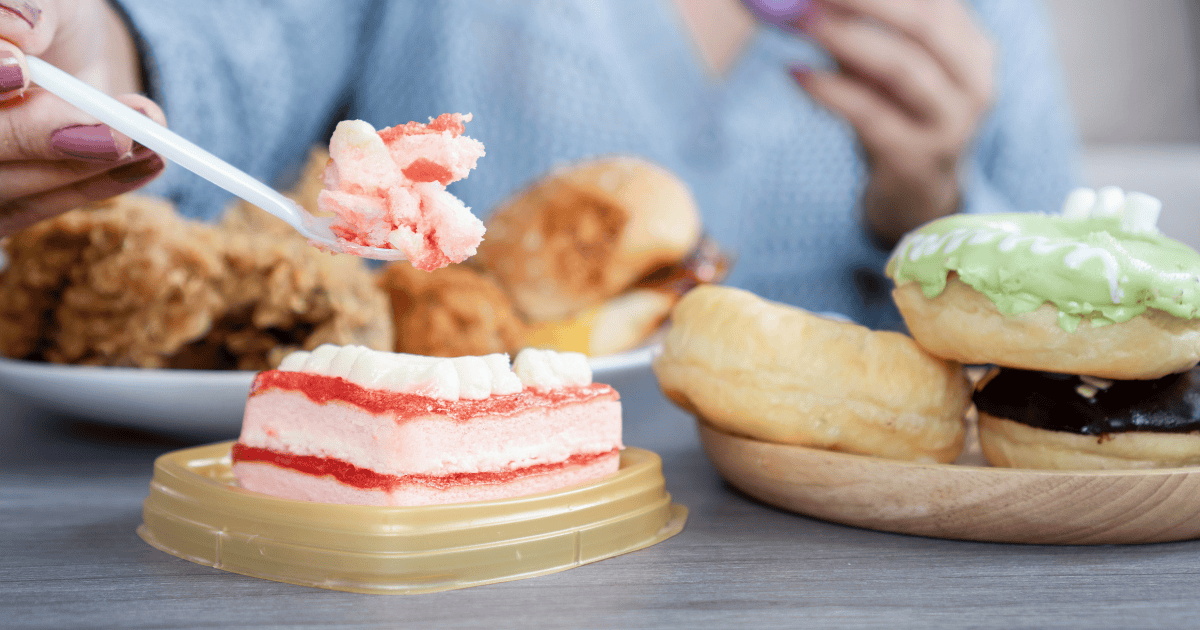
Thanksgiving is one of the most joyful, and food-filled, holidays of the year. For many, it’s a time to enjoy family, celebrate traditions, and savor comfort foods. But it can also be challenging to stay on track with healthy eating. Large meals, busy schedules, and rich dishes can make it easy to overindulge without meaning to.
The good news? With a few simple strategies, you can enjoy your favorite Thanksgiving foods without feeling sluggish, bloated, or off track afterward. These practical tips help you maintain balance while still enjoying the holiday.
Start the Day With a Nourishing Breakfast
Skipping breakfast to “save calories” almost always backfires. When you get overly hungry, it becomes harder to make balanced choices at dinner and overeating becomes more likely.
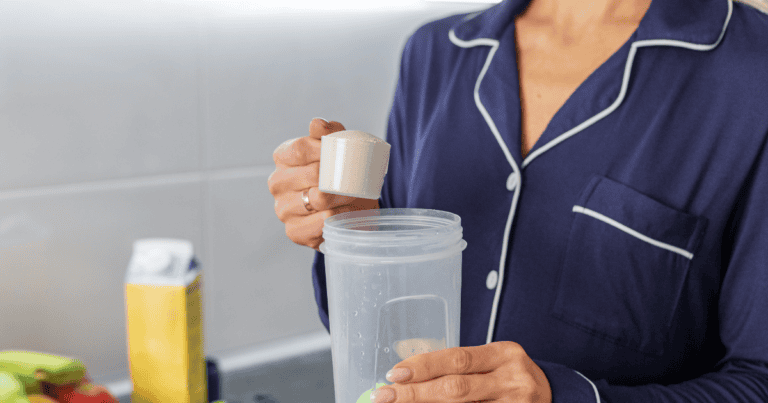
Start your morning with: • Greek yogurt and berries • Oatmeal with nuts • Eggs and whole-grain toast • A protein shake if you’re short on time
A balanced breakfast keeps blood sugar steady and helps you feel more in control throughout the day.
Stay Hydrated Before and During the Meal
Many people confuse thirst with hunger, especially during busy holidays. Seniors in particular are more likely to experience dehydration, which can increase fatigue, dizziness, and cravings.
Try these simple habits: • Drink a glass of water before leaving home • Sip water throughout the day • Keep a refillable cup nearby while cooking
Hydration helps you feel fuller and supports healthy digestion.
Prioritize Protein and Vegetables First
When it’s time to fill your plate, start with foods that help you feel satisfied without overeating.
Load up on: • Turkey • Roasted vegetables • Green beans • Brussels sprouts • Salad • Carrots
Protein and fiber help stabilize your appetite, making it easier to enjoy your favorite holiday dishes while still practicing moderation.
Use the “Small Plate Strategy”
A full dinner plate can trick your brain into thinking you need more food than you actually do. Using a smaller plate helps you naturally serve yourself smaller portions without feeling deprived.
If you’re at someone else’s home, you can still use this method by simply taking smaller spoonfuls or splitting items with a partner or friend.
Choose Your Favorites and Skip the Rest
Thanksgiving tables are filled with dishes, but not every one of them needs to land on your plate.
Give yourself permission to enjoy your true favorites, such as: • Sweet potatoes • Dressing • Pumpkin pie • Cranberry sauce
Then gently skip the foods you don’t genuinely love. This simple mindset shift can save hundreds of unwanted calories while still leaving you feeling satisfied.
Slow Down and Savor Every Bite
Holiday meals are meant to be enjoyed, not rushed. Eating slowly gives your stomach time to send fullness signals to your brain, which helps prevent overeating.
Try these mindful eating tips: • Put your fork down between bites • Take small sips of water during the meal • Notice the flavors and textures • Engage in the conversation around you
You’ll enjoy the food more and feel fuller sooner.
Take a Break Before Going Back for Seconds
It takes about 20 minutes for your brain to recognize fullness. Before heading back for more, pause and check in with how you feel.
Ask yourself: • Am I truly hungry? • Do I just want another taste? • Would a small portion be enough?
If you still want seconds, choose a small serving and enjoy it without guilt.
Go Easy on Alcohol and Sugary Drinks
Alcohol lowers inhibitions and increases appetite, two things that make overeating easier. Sugary drinks, including sweet tea, punch, and eggnog, add calories without helping you feel full.
Healthier options include: • Water with lemon • Sparkling water • Unsweetened tea • A small glass of wine sipped slowly
If you choose to drink, alternate each alcoholic beverage with water.
Incorporate Light Movement Into Your Day
Thanksgiving often means sitting for long stretches, during travel, cooking, and visiting. Light movement helps digestion, stabilizes blood sugar, and improves energy.
Easy ways to add movement: • A short walk before or after the meal • Playing with grandchildren • Standing and stretching while cooking • Walking laps around the house during breaks
Even 10 minutes can make a noticeable difference in how you feel.
Prepare a Plan for Leftovers
Leftovers are part of the fun, but they can also lead to overeating for days afterward.
Try these smart strategies: • Keep only your favorites • Freeze individual portions • Make lighter meals with turkey and veggies • Give extras to family or neighbors
Planning ahead helps you avoid mindless grazing.
Give Yourself Grace
Finally, remember that Thanksgiving is just one day. The goal isn’t perfection, it’s balance. If you enjoy a little more than planned, that’s okay. One holiday meal won’t undo your progress.
What matters most is that you: • Make mindful choices • Stay hydrated • Move your body • Get back to your routine the next day
Healthy living is built on consistency, not restriction.
Thanksgiving is a beautiful time to celebrate family, gratitude, and tradition. With a few simple strategies, you can enjoy all the flavors of the holiday while still honoring your health goals. These tips help you stay comfortable, energized, and confident so you can focus on what truly matters.
Happy Thanksgiving!

Great advice. Happy Thanksgiving!!
Happy Thanksgiving, Janice!
Happy Thanksgiving
Such great advice!
Thanks, Jayne. Happy Thanksgiving!🍁
Happy Thanksgiving to you and your family!
Thank you! Happy Thanksgiving!