Why Games Are Good for Your Brain (and Memory Too)
A few minutes of play a day may do more for your mind than you’d think. Research on cognitive aging consistently points to the same idea: brains, like bodies, benefit from regular use. Puzzles, word games, matching games, and strategy games all give different parts of the brain a workout. The good news is that they’re enjoyable enough that “exercise” doesn’t feel like the right word for it at all.
Here’s a closer look at what games actually do for the brain, and a few easy ways to start.
1. Matching and Memory Games Sharpen Recall
Games that require remembering the location or identity of something, like a classic matching game, directly exercise short-term memory and visual recall. Every round asks the brain to hold information, retrieve it, and compare it against a new clue. This is the same basic skill used for remembering names, appointments, or where the car keys ended up.
The Brain Boost Memory Match on the Games page is a simple, free way to build this habit. It only takes a minute or two, which makes it easy to fit in during a coffee break.
2. Word Games Keep Language and Vocabulary Sharp
Word-based games activate language centers in the brain and reinforce vocabulary recall. That’s the same mental muscle used in conversation, reading, and writing. Unlike casual reading, word games ask the brain to actively produce the right word rather than just recognize it, which makes them a slightly bigger workout.
Link 4 is a great example: each round asks players to sort sixteen words into four hidden groups of four, spotting the connections that tie each set together. Play Link 4 here. For something a little different, Words Galore offers more word-hunting fun, and the tile-based clues in Well Worded add a daily puzzle habit worth keeping.
3. Strategy Games Build Focus and Pattern Recognition
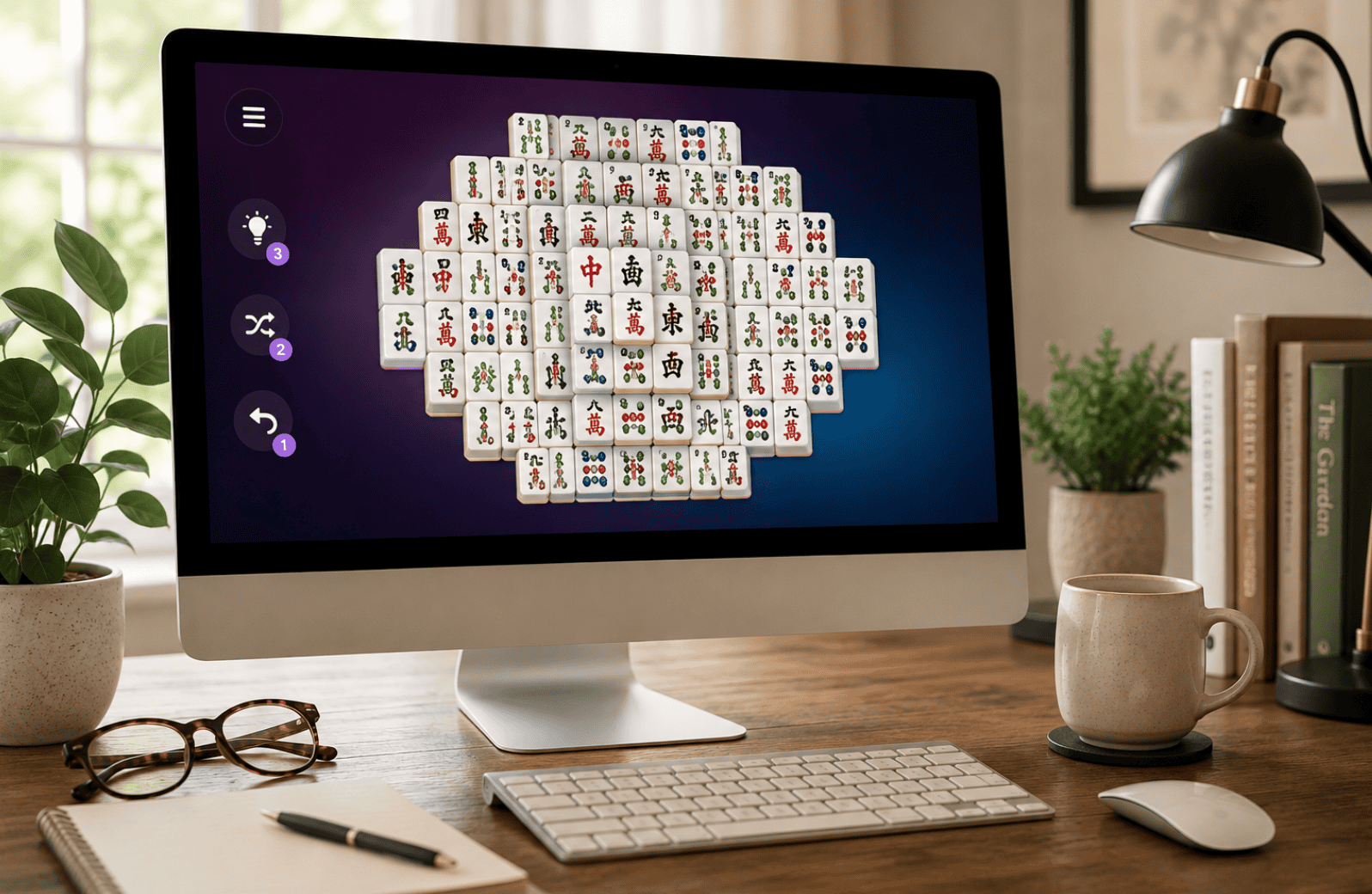
Games that involve matching tiles or planning several moves ahead, like mahjong, call on pattern recognition, planning, and sustained attention all at once. That combination makes strategy games especially good for practicing focus, since there’s no way to win without staying present in the moment.
Two mahjong boards are ready to play any time: the classic LW Mahjong, and a brighter, faster-paced version in Neon-Rush Mahjong.
4. Card Games Support Focus and Stress Relief
Solitaire has stayed popular for generations for a good reason. It’s a low-pressure way to practice planning and sequencing while also being genuinely relaxing. That combination of light mental effort and calm repetition makes it a favorite for winding down in the evening without reaching for a screen full of scrolling.
Brass & Felt Solitaire brings that classic feel to a clean, easy-to-read board.
A Few Minutes a Day Adds Up
None of these games need to feel like homework. The real benefit comes from consistency, a few minutes here and there, several times a week, rather than one long session. Rotating between a memory game, a word game, and a strategy game also keeps things interesting, since each one works a slightly different part of the brain.
All of these games, and a few more, are free to play any time on the Games page. Bookmark it, and consider making it part of the morning coffee routine.
Comment below with your favorite Living Well for Seniors game!