Clocks Fall Back Sunday: A 7-Step Checklist for Women 60+

Daylight saving time ends at 2 a.m. this Sunday, November 1. Most people think of it as a bonus hour of sleep. But the week after the change is one of the riskier weeks of the year, especially in the early evening, when darkness suddenly arrives an hour earlier than everyone is used to.
Research on traffic data has found that the danger isn’t darkness itself so much as the adjustment to it. Drivers and walkers are still running on October habits, and it takes a few weeks to catch up. A 2025 study in the Journal of Safety Research found that fatal crashes involving pedestrians and cyclists rose 13 percent in the five weeks after the fall time change.
None of that is a reason to stay home. It’s a reason to spend twenty minutes this week getting ready. Here’s what to do.
- 5 Things to Do Around the House Before the First Cold Snap
- Home Security and Best Practices For Older Adults Living Alone
1. Move Your Evening Walk Earlier
If you walk the dog or take a stroll around 5 or 6 p.m., that walk is about to happen at dusk, which is the hardest light for drivers to see in. For the next few weeks, try shifting it to mid-afternoon or after breakfast.
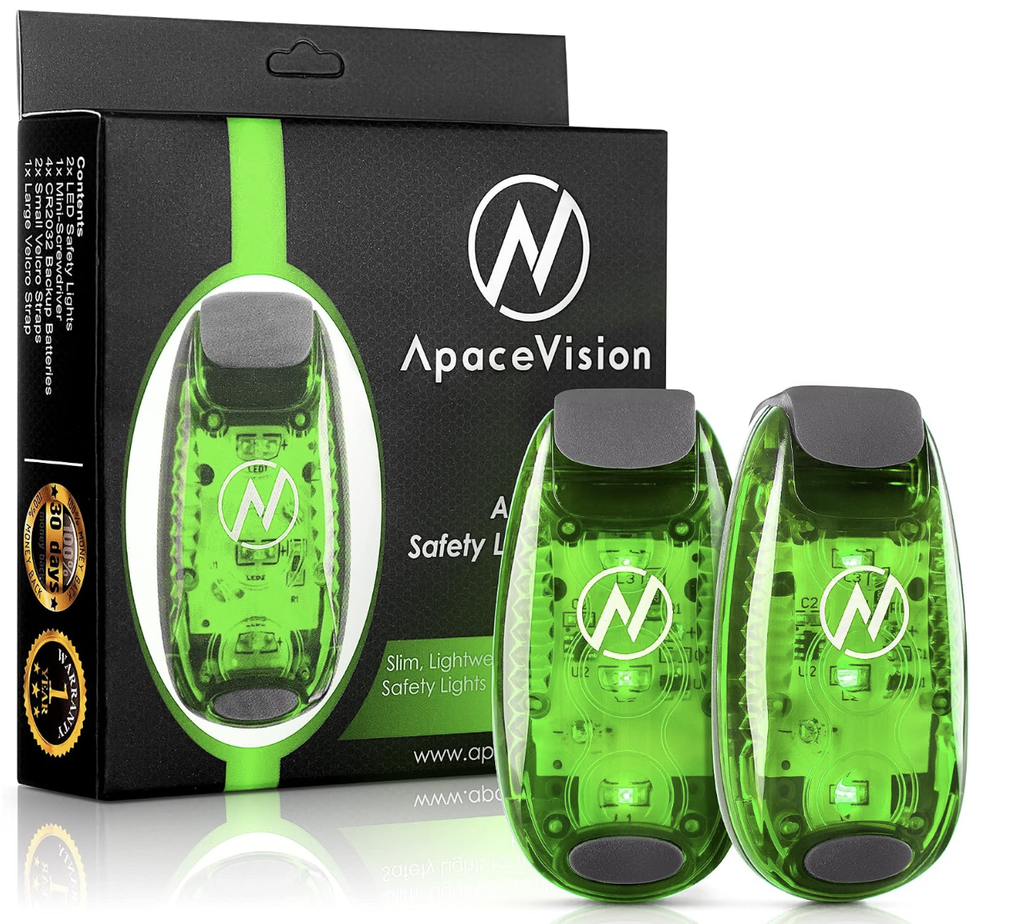
If you do walk near dark, wear something light-colored or reflective, carry a small flashlight, and don’t assume a driver sees you just because you see them. A lightweight reflective vest or clip-on LED light takes up almost no room in a coat pocket.
2. Get Your Car Ready for Night Driving
Eyes over 60 need noticeably more light to see well at night, and they take longer to recover from oncoming headlight glare. A few small fixes help more than you’d expect:
- Clean the inside of your windshield. The film that builds up on the glass is what makes headlights flare.
- Check your headlights. If the plastic covers look cloudy or yellow, a headlight restoration kit can make a real difference in how far you can see.
- Replace streaky wiper blades before the rainy season settles in.
- Dim your dashboard lights so your eyes stay adjusted to the road.
If night driving has started to feel harder over the past year, mention it at your next eye exam. Cataracts commonly show up first as trouble with glare at night.
3. Ease Your Sleep Into the New Time
An extra hour sounds nice, but the shift can throw off sleep for days. Many people find themselves wide awake at 4:30 a.m. and fading by 8 p.m.
Instead of switching all at once, push your bedtime 15 minutes later each night for the few nights before Sunday. After the change, get outside in morning daylight for 15 to 20 minutes. Morning light is one of the most effective ways to reset your body clock.
4. Check the Timing on Your Medications
If you take a medication at a set time each day, like insulin, blood pressure medication, or anything your doctor has told you to take on a strict schedule, ask your pharmacist how to handle the one-hour shift. For most medications it’s no big deal, but for a few, a gradual adjustment works better than a sudden jump.
This is also a good week to make sure any pill reminders on your phone or smart speaker updated correctly.
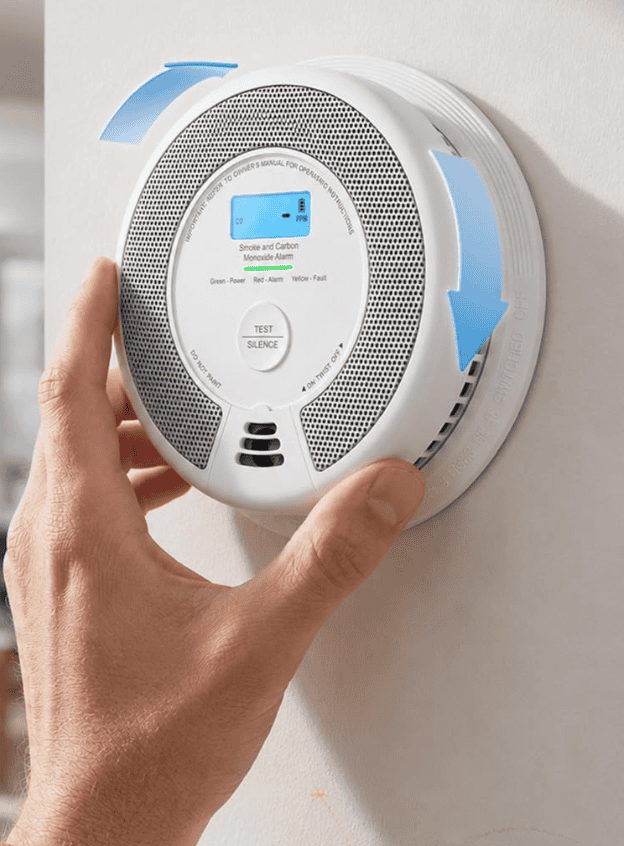
5. Test Your Smoke and Carbon Monoxide Alarms
The time change is the traditional reminder to check your alarms, and with furnaces, fireplaces, and space heaters coming back on, the timing couldn’t be better.
- Press the test button on every smoke and carbon monoxide alarm.
- Replace batteries in any alarm that doesn’t have a sealed long-life battery.
- Look for the manufacture date on the back. Smoke alarms should be replaced every 10 years, and carbon monoxide alarms often need replacing sooner, so check the manufacturer’s guidance.
If you can’t comfortably reach a ceiling alarm, don’t climb a chair to do it. This is a perfect job to hand to a neighbor, a family member, or your local fire department, which many communities offer for free.
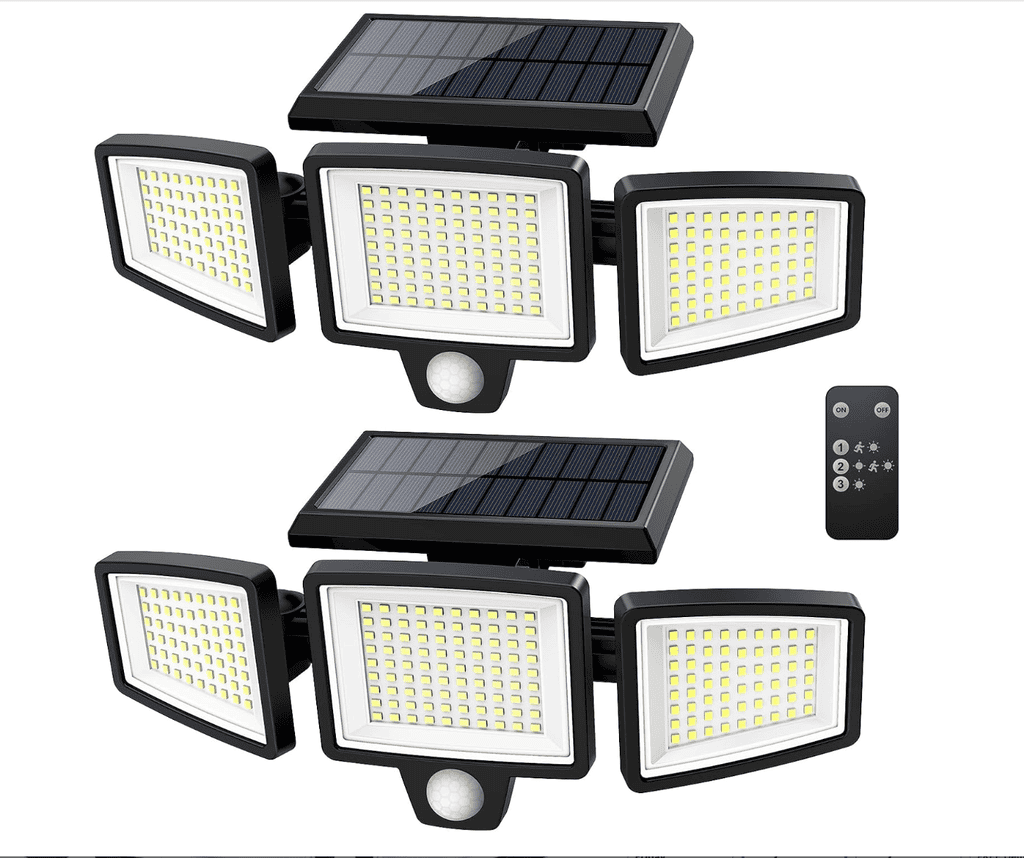
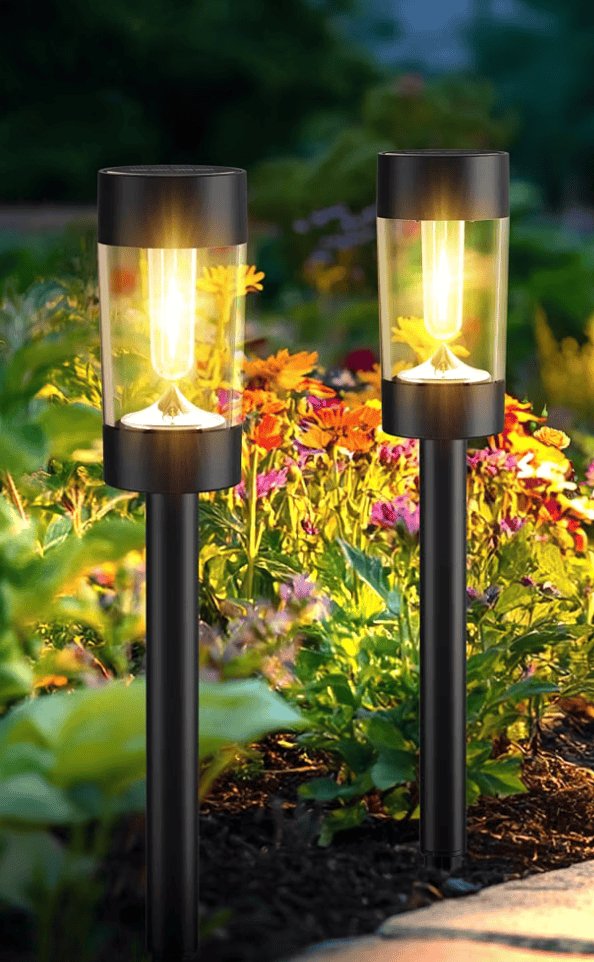
6. Light Your Path Before It Gets Dark
Earlier darkness means more time spent moving around the house with the lights low, and that’s when trips and falls happen. Walk through your home at dusk one evening this week and notice where it’s hard to see.
- Put motion-sensor night lights along the path from your bedroom to the bathroom.
- Add a light at the top and bottom of every staircase.
- Set a lamp on a plug-in timer so you never come home to a dark house.
- Check that your porch light and walkway lights work, since you’ll be coming home in the dark more often.
7. Plan for the Long Evenings
When it’s dark by 5:30, evenings can start to feel long, and for many women the shorter days bring a dip in mood. A little planning helps. Schedule a standing phone call with a friend, sign up for an evening class, start a puzzle, or pick a book series to work through this winter.
Looking for something to do tonight? Try your luck in our free games section.
If you notice your mood staying low for more than a couple of weeks as the days get shorter, mention it to your doctor. Seasonal changes in mood are common and very treatable.
Your Quick Checklist
- Shift evening walks earlier, or wear reflective gear
- Clean your windshield and check your headlights
- Move bedtime 15 minutes later each night before Sunday
- Ask your pharmacist about any time-sensitive medications
- Test smoke and carbon monoxide alarms
- Add night lights between the bedroom and bathroom
- Plan a few things to look forward to on dark evenings
Twenty minutes this week can make the whole season safer and easier. Set your clocks back Saturday night, and enjoy that extra hour.