How to Create a Comfortable and Safe Living Space for Aging in Place
More and more older adults are choosing to “age in place,” which means staying in their own homes as they grow older rather than moving to a retirement community. To make this possible, it’s important to create a living space that is both comfortable and safe. With a few smart updates, you can enjoy independence and peace of mind for years to come.
Why Plan Ahead?
Our needs change as we age. By preparing your home now, you can prevent falls, avoid accidents, and make daily living easier. A safe home helps you:
- Maintain independence
- Reduce the risk of falls and injuries
- Feel more confident doing everyday tasks
- Stay comfortable in familiar surroundings
Focus Areas for Safety and Comfort
1. Clear Pathways
- Remove loose rugs and cords that could cause trips
- Keep hallways, stairs, and doorways clear of clutter
- Make sure floors are even and in good condition
2. Good Lighting
- Add bright lighting in hallways, kitchens, and bathrooms
- Use night-lights in bedrooms and along paths to the bathroom
- Consider motion-sensor lights for convenience
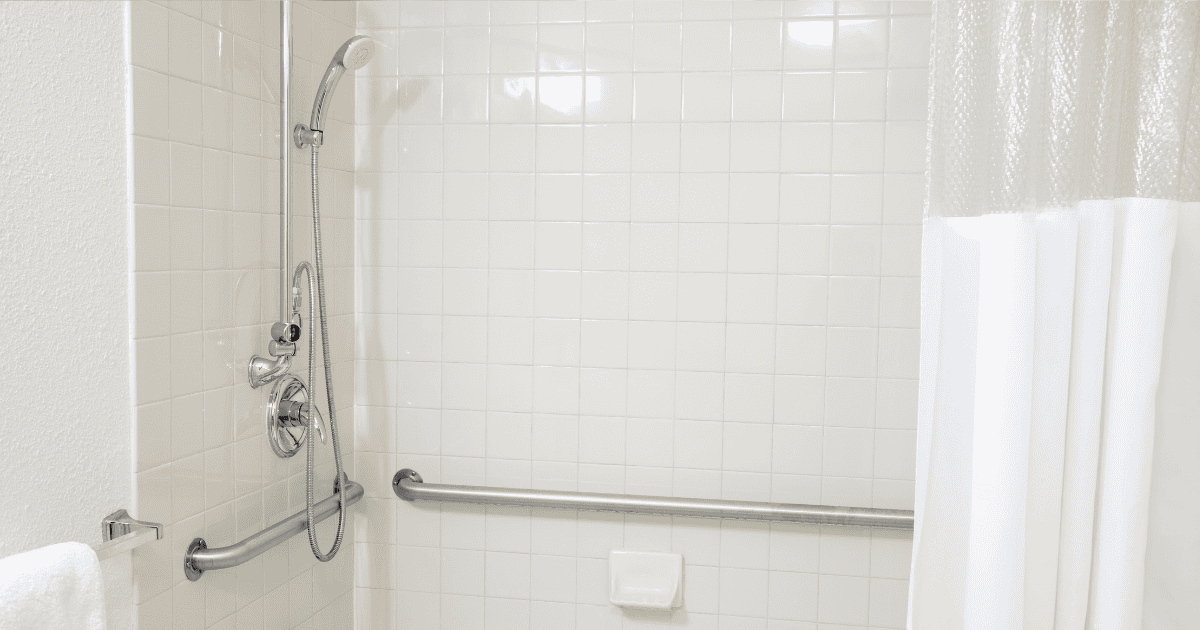
3. Bathroom Safety
- Install grab bars near the toilet and in the shower
- Use a shower chair or handheld showerhead if needed
- Add non-slip mats in the tub and on bathroom floors
4. Kitchen Accessibility
- Keep everyday items on easy-to-reach shelves
- Use step stools with handrails if necessary
- Consider appliances with easy-to-read controls
5. Bedroom Comfort
- Choose a bed height that is easy to get in and out of
- Keep a phone or emergency alert system by the bed
- Ensure a clear path to the bathroom at night
6. Entryways and Stairs
- Add sturdy handrails on both sides of staircases
- Install ramps or low steps if needed at entry doors
- Keep outdoor walkways well-lit and free of ice or clutter
Extra Tips for Aging in Place
- Consider a medical alert system for emergencies
- Have smoke detectors and carbon monoxide alarms checked regularly
- Keep important phone numbers and a list of medications handy
- Think about smart home devices—like voice-activated lights or thermostats
When to Ask for Help
Some updates may be simple DIY projects, but others, like installing grab bars or widening doorways, are best left to professionals. Consider an occupational therapist or home safety expert to help assess your home.
Creating a safe and comfortable living space doesn’t have to be overwhelming. Small improvements can make a big difference in helping you remain independent, secure, and happy in the place you love most—your home.
Sources: