Skincare 101 After 60: A Simple Daily Routine and What Order to Use Everything In

Open almost any bathroom cabinet and the story is the same: a serum bought on a friend’s recommendation, a cream from a holiday gift set, a retinol that got used twice and then forgotten. Most women 60+ don’t have a product problem. They have an order-of-operations problem.
The good news is that a routine that works for mature skin is shorter than the beauty aisle suggests. Four steps in the morning and four at night cover nearly everything, and most of the products already on the shelf have a place in it.
The One Idea That Makes Everything Make Sense
Skincare goes on from thinnest to thickest. Watery products first, then serums, then creams, then oil. Thin products need direct contact with skin to do their job, and thicker products seal everything underneath. If a cream goes on first, the serum on top of it has a hard time getting through.
The second idea: morning skincare protects, and evening skincare repairs. That’s why sunscreen belongs in the morning and retinol belongs at night.
The Morning Routine: Cleanse, Treat, Moisturize, Protect
Step 1: A Gentle Cleanse (or Just Water)
Skin that was cleansed thoroughly the night before usually doesn’t need a full wash in the morning. A splash of lukewarm water is enough for many women 60+, especially in winter, when every extra cleanse strips a little more moisture.
Step 2: Vitamin C Serum
Vitamin C is the morning serum. It’s an antioxidant that helps defend skin against sun and pollution during the day, and with steady use it helps brighten dullness and uneven tone, including the age spots that show up after years in the sun.
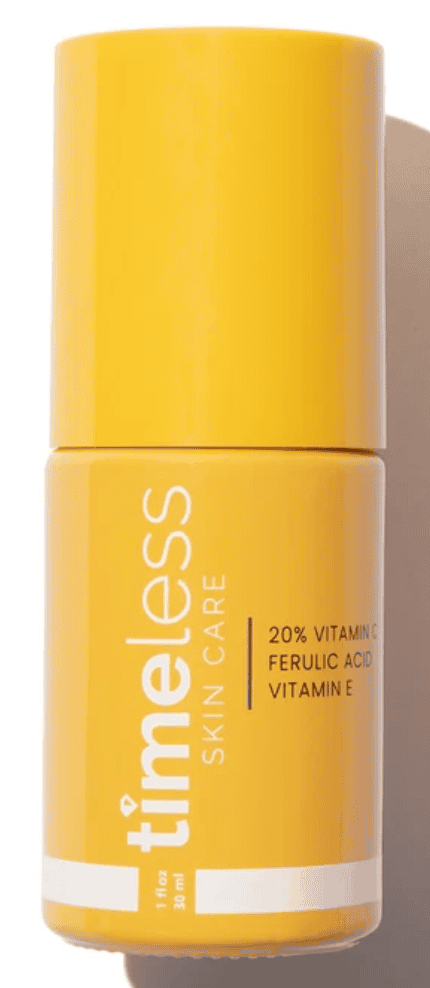
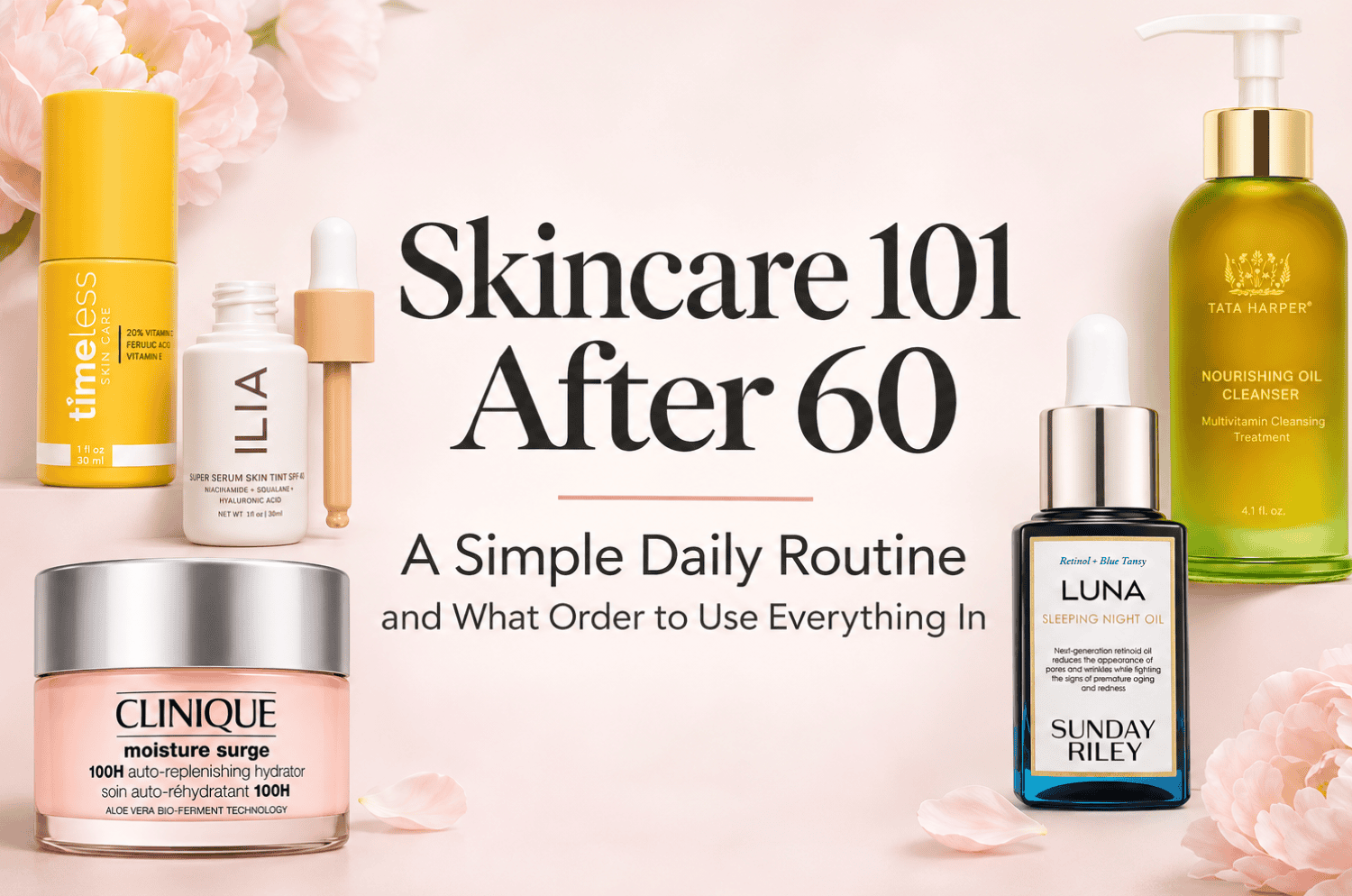
The Timeless 20% Vitamin C + E Ferulic Acid Serum pairs vitamin C with vitamin E and ferulic acid, two ingredients that help keep vitamin C stable and effective. A few drops is enough for the face and neck.
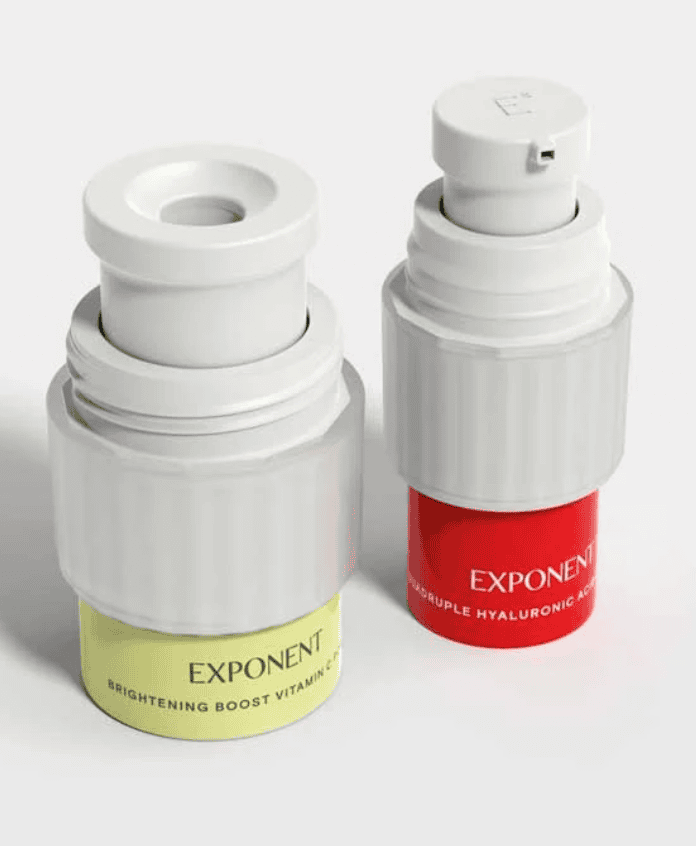
For drier skin, the Exponent Beauty Brightening Boost Vitamin C + Hyaluronic Acid Serum adds hyaluronic acid for an extra layer of hydration.
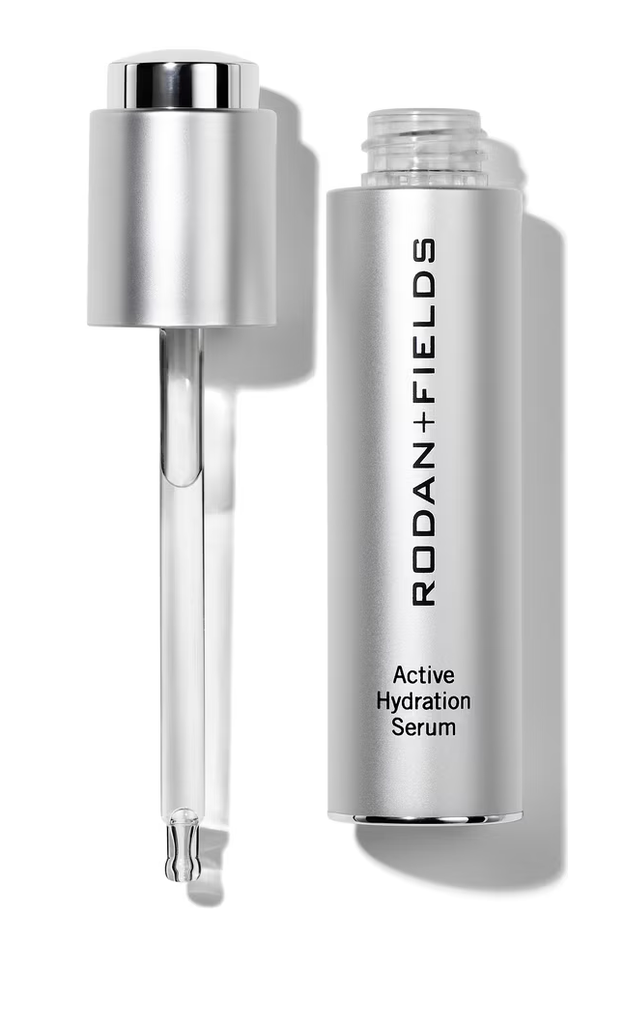
Optional: A hydrating serum can go on right after vitamin C. The Rodan + Fields Active Hydration Serum with Hyaluronic Acid draws water into skin before the moisturizer locks it in.
Step 3: Moisturizer
A lightweight moisturizer works best in the morning because it sits well under makeup and sunscreen.
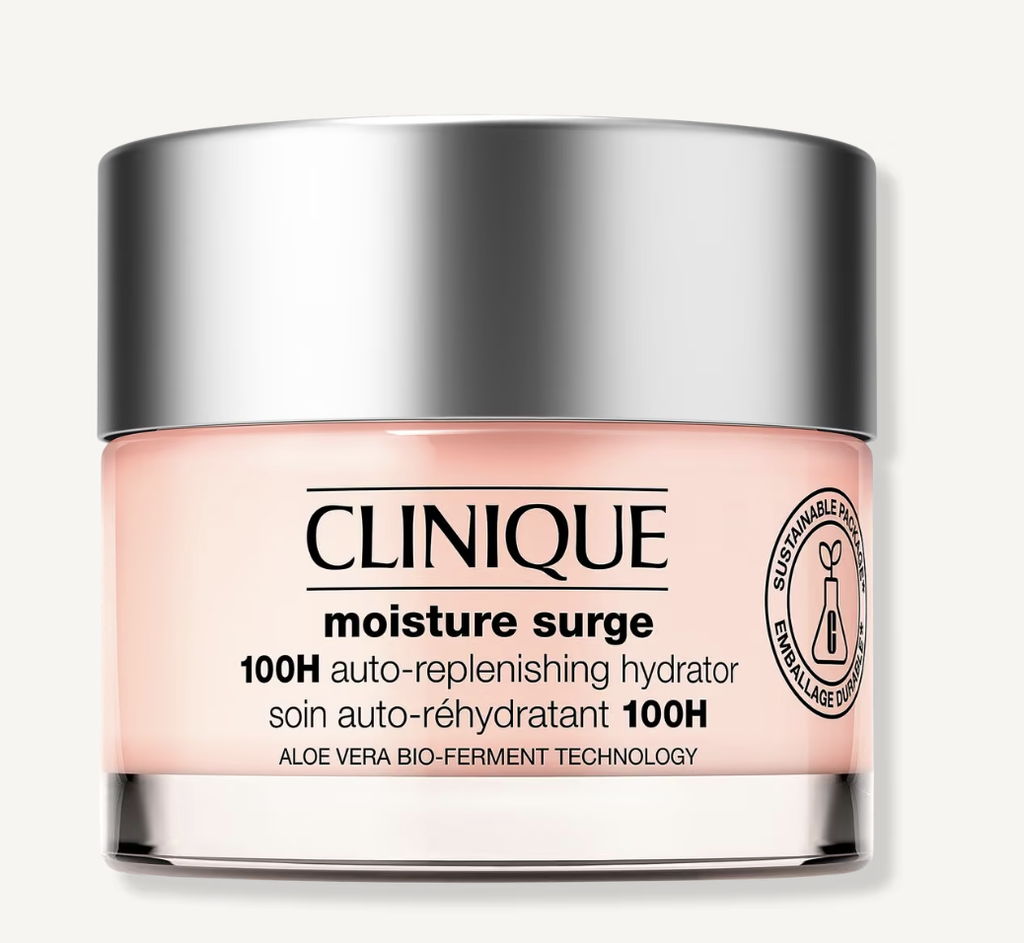
Clinique Moisture Surge 100H Auto-Replenishing Hydrator is a gel-cream with hyaluronic acid that absorbs quickly.
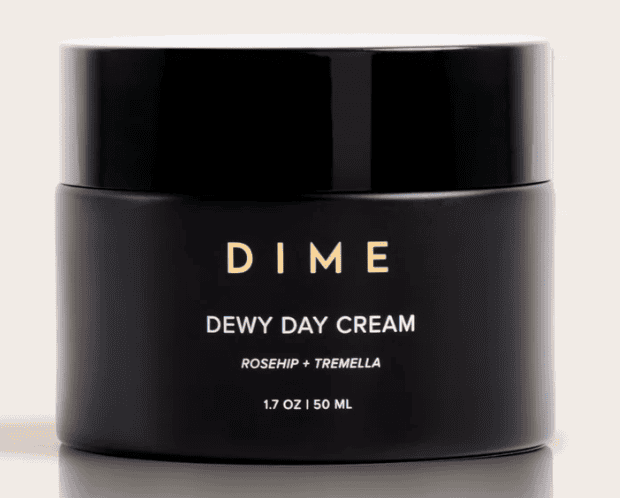
DIME’s Dewy Day Cream is another daytime option made to wear under makeup.
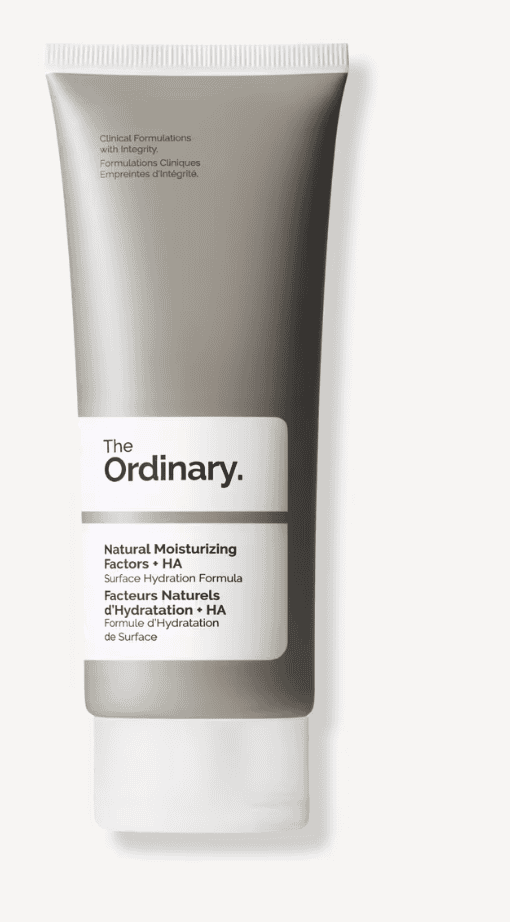
For a budget pick, The Ordinary Natural Moisturizing Factors + Hyaluronic Acid is a simple, no-frills daily moisturizer.
Step 4: Sunscreen, Every Day
If a routine has room for only one step, this is the one to keep. Daily sunscreen is the most effective anti-aging step there is, and it matters in winter too. UVA rays, the ones linked to wrinkles and age spots, come through clouds and car windows year-round.
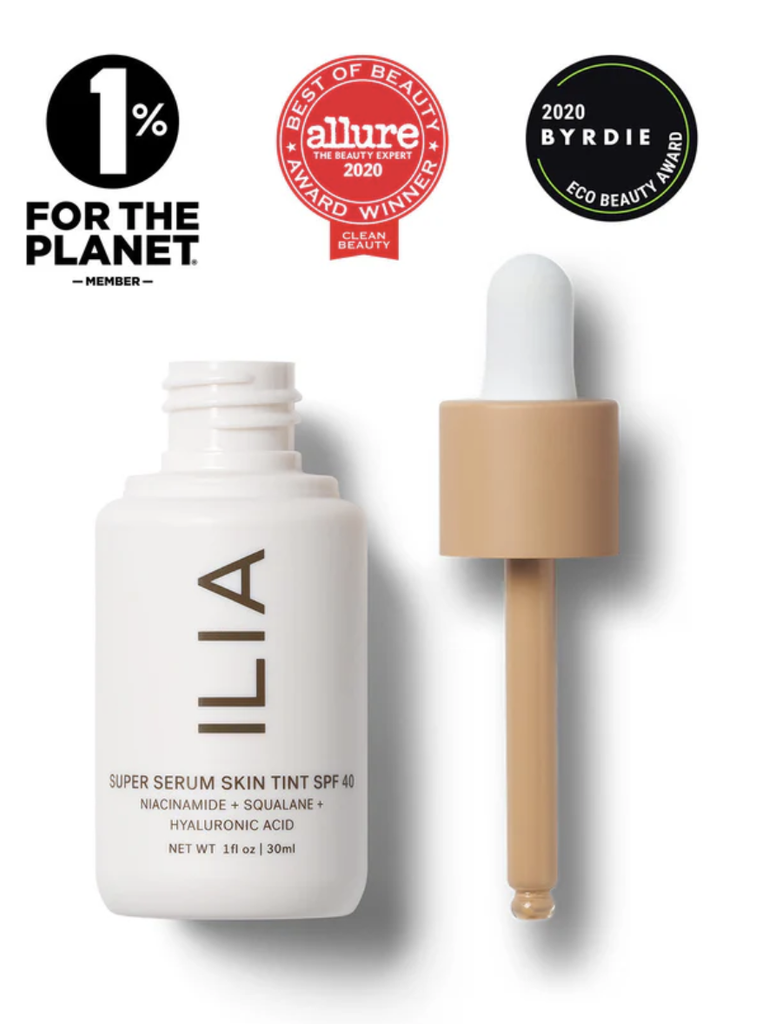
For women who would rather skip foundation, ILIA’s Super Serum Skin Tint SPF 40 combines sunscreen and light coverage in one step. Tinted sunscreens only protect when applied generously, so be sure to use enough to cover the whole face evenly, not just a dab.
The Evening Routine: Cleanse, Repair, Moisturize, Seal
Step 1: Cleanse Thoroughly
Evening is when the real cleanse happens. Sunscreen, makeup, and the day’s buildup all need to come off before treatment products go on.
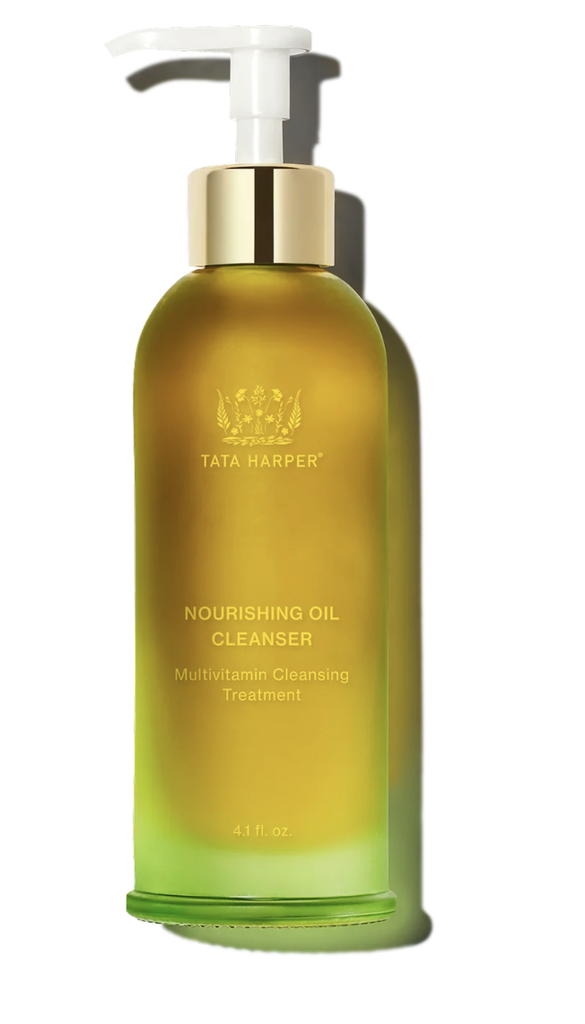
An oil cleanser such as Tata Harper’s Nourishing Oil Cleanser melts away makeup and sunscreen without stripping dry skin.
Step 2: The Repair Step (Retinol or a Peptide Serum)
Retinoids are the most studied ingredient for fine lines, uneven texture, and firmness. They work by speeding up the skin’s natural renewal, which slows down with age. Because they can make skin more sensitive to the sun, they belong at night.
The key with retinoids is to start slowly: a pea-size amount for the whole face, two or three nights a week, building up as skin adjusts. Some redness or flaking in the first few weeks is common. If it lasts, cut back to fewer nights.
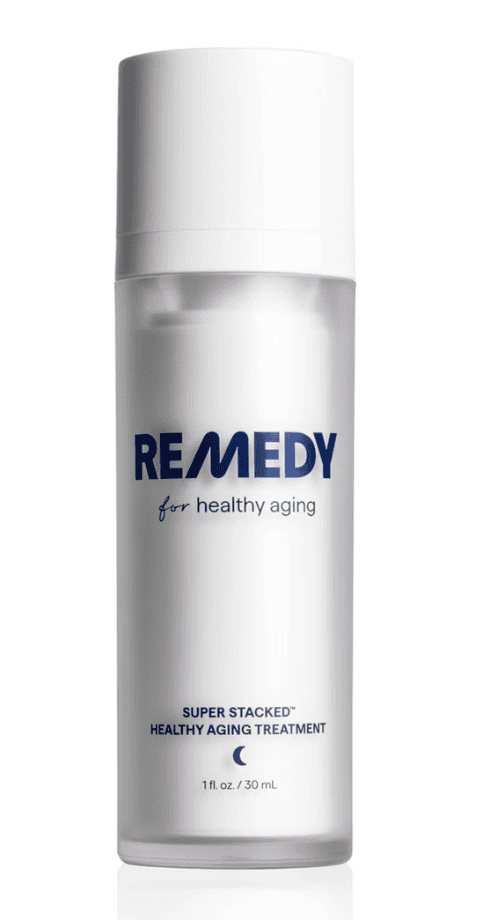
The Remedy Skin Healthy Aging Serum from Target combines retinol with glycolic acid, niacinamide, and peptides in one budget-friendly bottle.
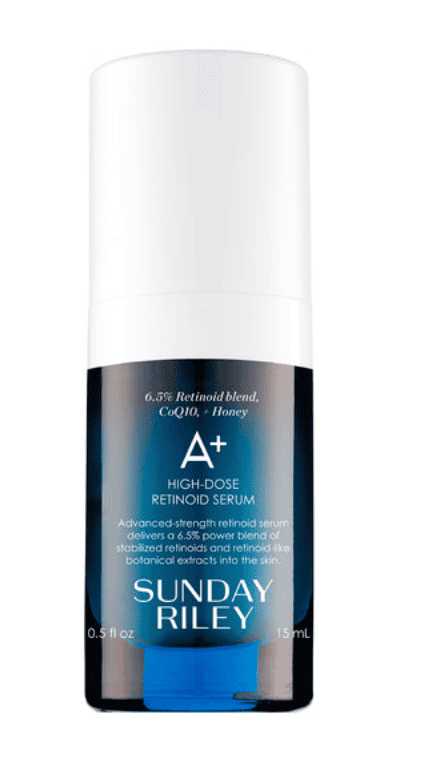
For women already used to retinol who want something stronger, the Sunday Riley A+ High-Dose Retinoid Serum is a step up.
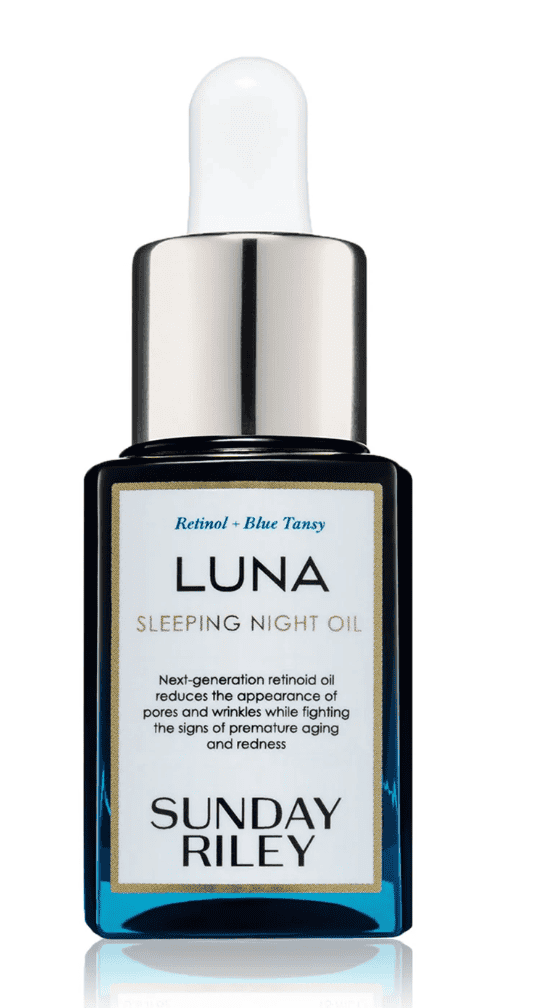
The brand’s Luna Sleeping Night Oil delivers a retinoid in an oil, which some drier skin types find more comfortable.
Retinol isn’t for everyone. Women with very sensitive skin can get many of the same benefits from bakuchiol, a plant-based alternative.
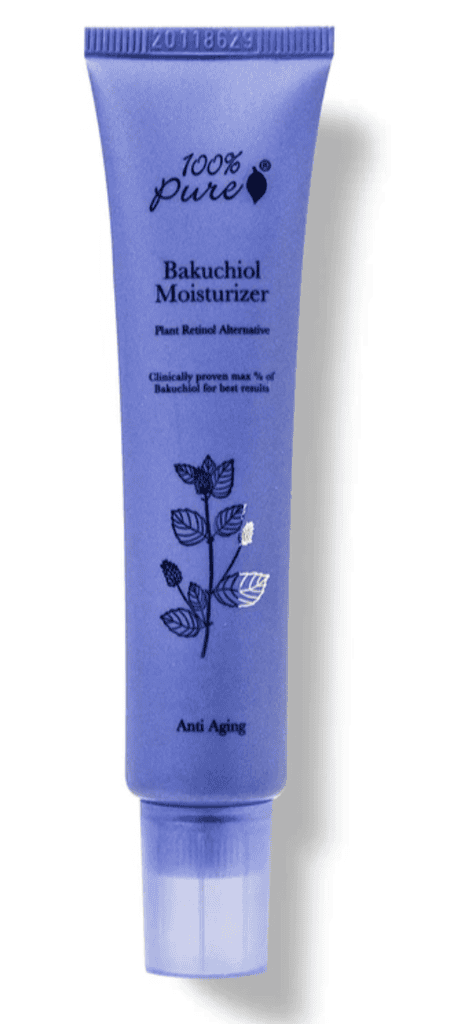
The 100% PURE Bakuchiol Moisturizer combines it with a nighttime moisturizer in one step.
Step 3: A Richer Moisturizer
Night is the time for something heavier than the morning moisturizer, since there’s no makeup to wear over it.
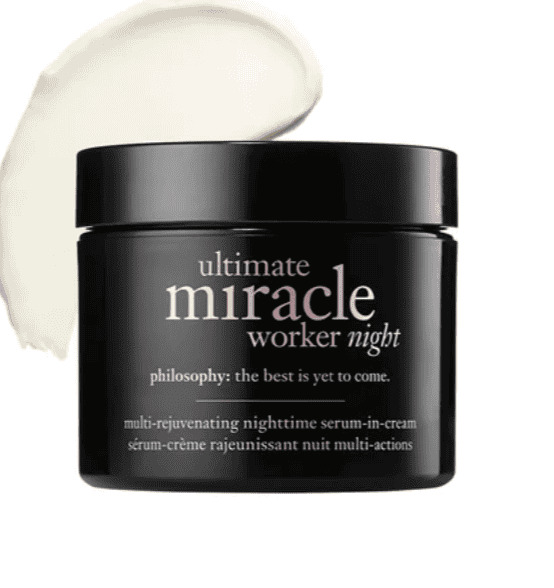
Philosophy’s multi-rejuvenating nighttime serum-in-cream combines two steps in one, which is useful for anyone looking to simplify.
Step 4 (Optional): A Few Drops of Oil
On the driest nights, two or three drops of face oil pressed over moisturizer act like a lid, slowing water loss while skin sleeps.
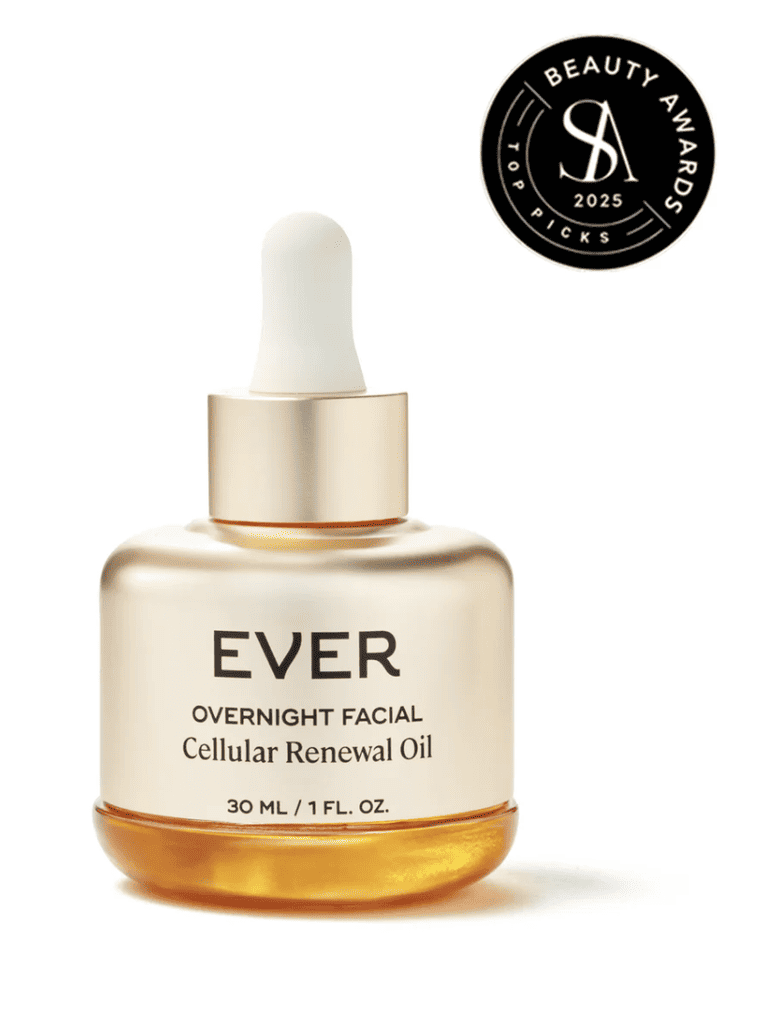
EVER’s Overnight Facial Cellular Renewal Oil is designed as the final step before bed. For more on how oils and moisturizers work together, see our guide to face oil vs. moisturizer after 60.
Your Routine at a Glance
| Step | Morning | Evening |
|---|---|---|
| 1 | Water or gentle cleanser | Oil or cream cleanser |
| 2 | Vitamin C serum | Retinol (2–3 nights a week to start) or peptide serum |
| 3 | Lightweight moisturizer | Richer moisturizer |
| 4 | Sunscreen | Face oil (optional) |
Don’t Stop at the Jawline
The neck and chest have thinner skin than the face and often show age sooner, but they’re the most commonly skipped areas. Everything in the routine, including sunscreen, should be carried down to the neck and chest.
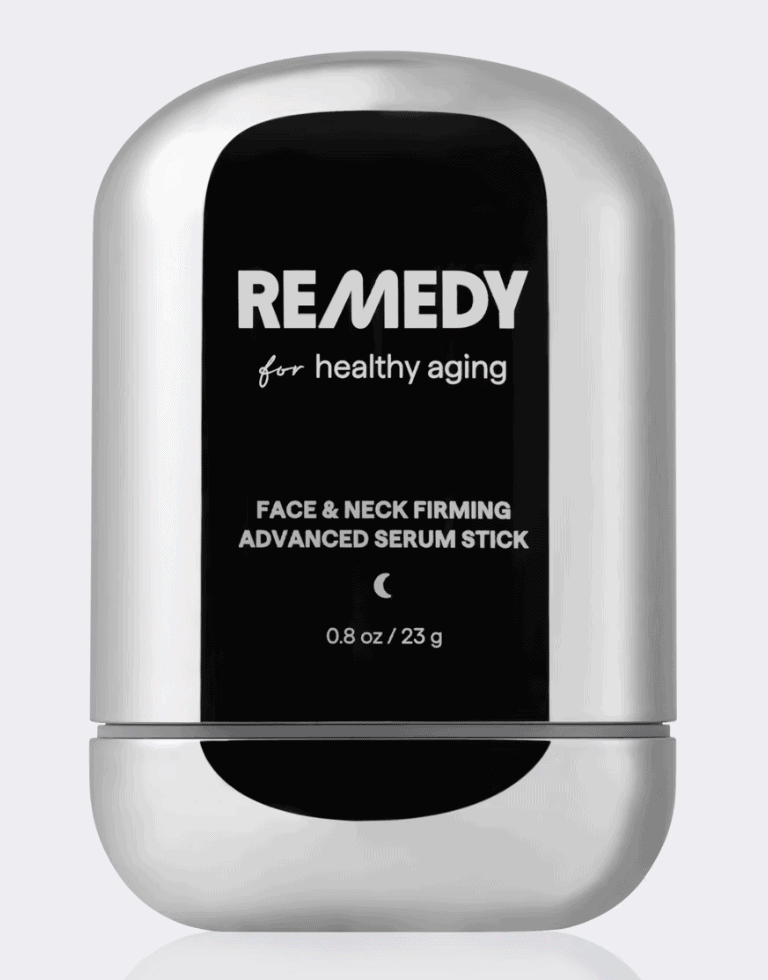
For a targeted product, the Remedy Skin Face & Neck Firming Advanced Face Serum Stick comes in a stick format that glides on without getting product on hands.
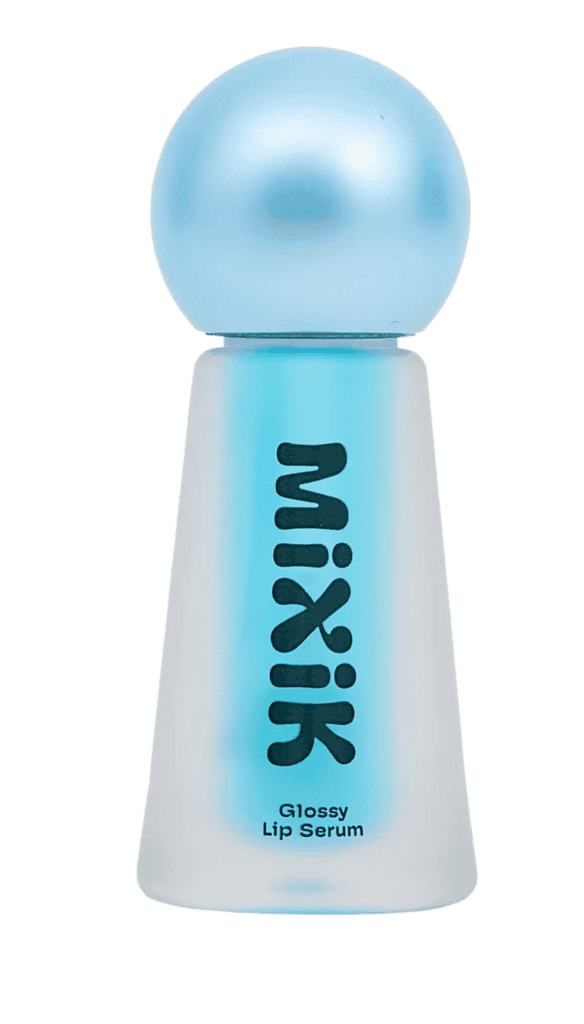
Lips lose moisture quickly in winter, too. A lip treatment like MIXIK’s Glossy Lip Serum at bedtime gives them hours to recover.
What Not to Mix
Most products play well together, but a few combinations cause more irritation than results:
- Retinol and exfoliating acids on the same night. Glycolic and lactic acids and retinoids can each irritate on their own, and together they often lead to redness and peeling. Alternate nights instead.
- Two retinoids at once. More isn’t better. Pick one retinoid product and stick with it.
- Vitamin C and retinol in the same routine. Using vitamin C in the morning and retinol at night is the simplest way to get the benefits of both without irritation.
How to Start Without Overwhelming Skin
The temptation with a shelf full of products is to start using all of them at once. It’s better to add one new product at a time and give it about two weeks before adding the next. If skin reacts, it’s easy to tell which product caused it.
Patch testing helps, too: a small amount on the side of the neck or behind the ear for a day or two before using a new product on the whole face.
When to Check With a Dermatologist
Anyone using a prescription retinoid such as tretinoin, or a prescription cream for rosacea or another skin condition, should ask their dermatologist before adding over-the-counter retinol or acids. A dermatologist is also the right call for a new or changing spot, a sore that doesn’t heal, or irritation that doesn’t calm down after stopping a product.
The Bottom Line
A routine that works after 60 doesn’t need ten steps. In the morning: cleanse, vitamin C, moisturizer, sunscreen. At night: cleanse, retinol or peptides, a richer cream, and oil if skin needs it. Give it a few consistent weeks, and the products already on the shelf start doing what they were bought to do.
For more on caring for mature skin, browse our full skincare collection.