The Best Transitional Tops For Winter to Spring

Getting dressed during seasonal transitions can feel like a guessing game. It’s cool in the morning, and warm by afternoon, then chilly again after dinner! If you’re over 60, comfort matters more than ever, but so does looking pulled together. The solution isn’t a whole new wardrobe. It’s choosing the right transitional tops. These are pieces that layer well, breathe well, and help you adjust without changing outfits three times a day.
Here are some ideas on how to navigate the cool one minute, hot the next season.
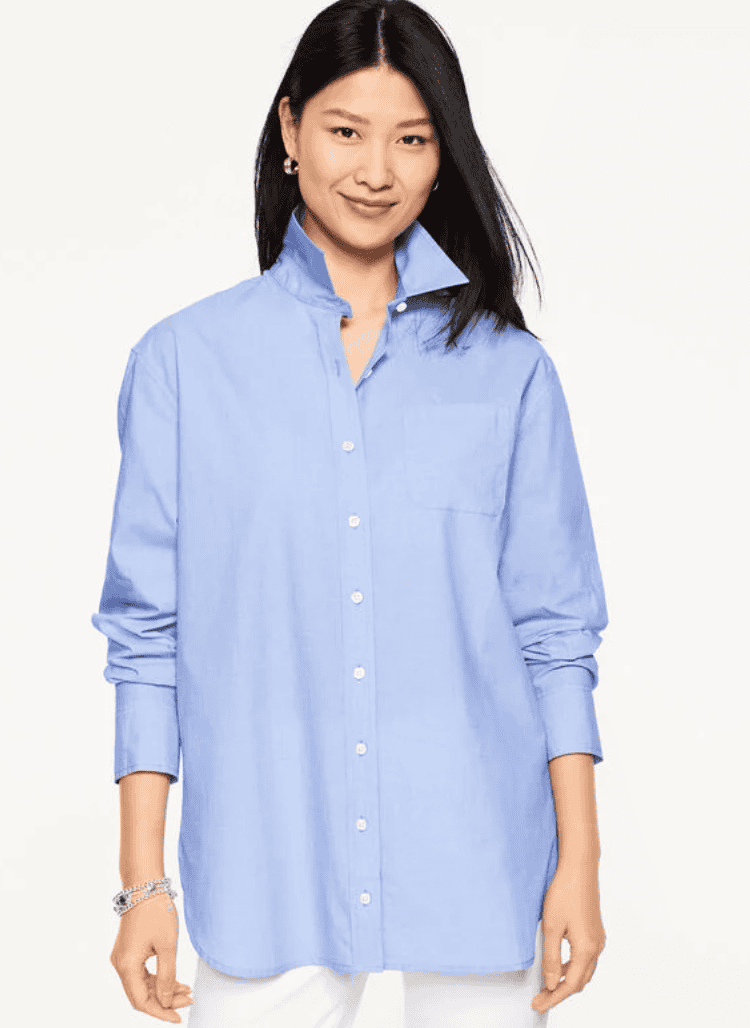
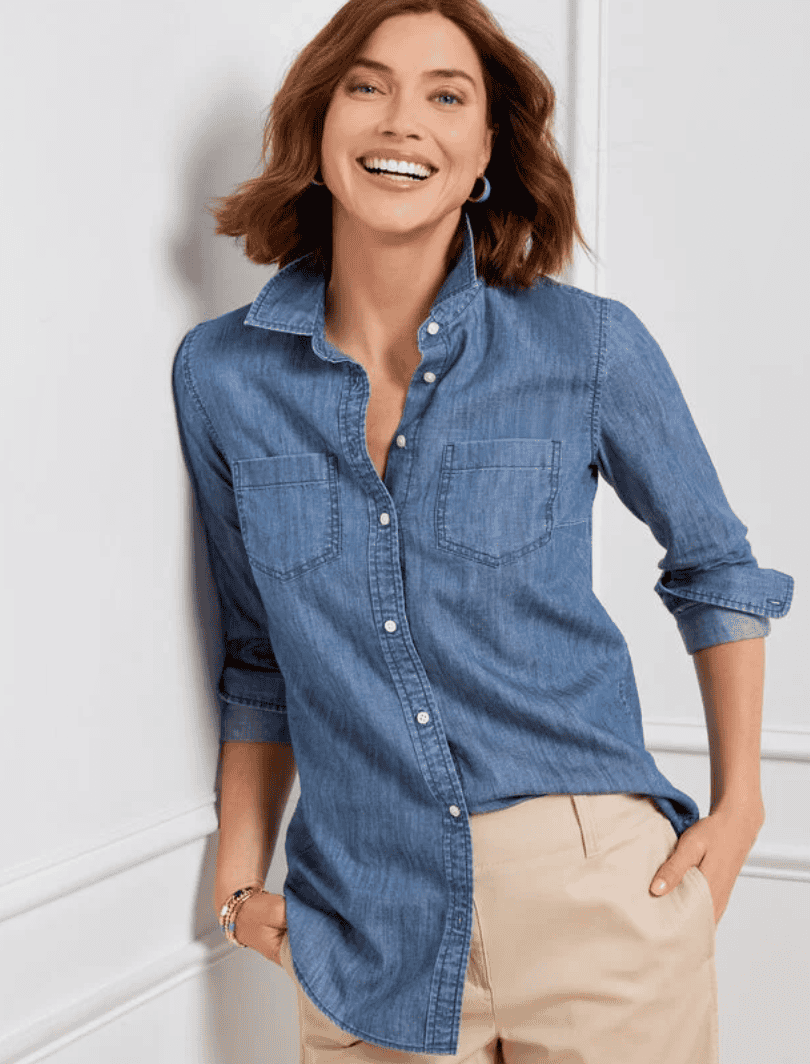
Lightweight Button-Down Shirts
A classic button-down is one of the most versatile tops you can own. Look for breathable fabrics like cotton poplin, chambray, or lightweight linen blends. These fabrics regulate temperature naturally and layer easily under jackets or cardigans.
Why they work:
- Easy to roll sleeves up or down
- Can be worn open over a tank
- Look polished without feeling stiff
- Work with jeans, trousers, or skirts
For women over 60, a slightly relaxed fit is often more flattering than a tailored, tight silhouette. It allows airflow and movement.
Style tip: Leave the top two buttons open and add a simple pendant necklace to elongate the neckline.
Fine-Gauge Knit Sweaters
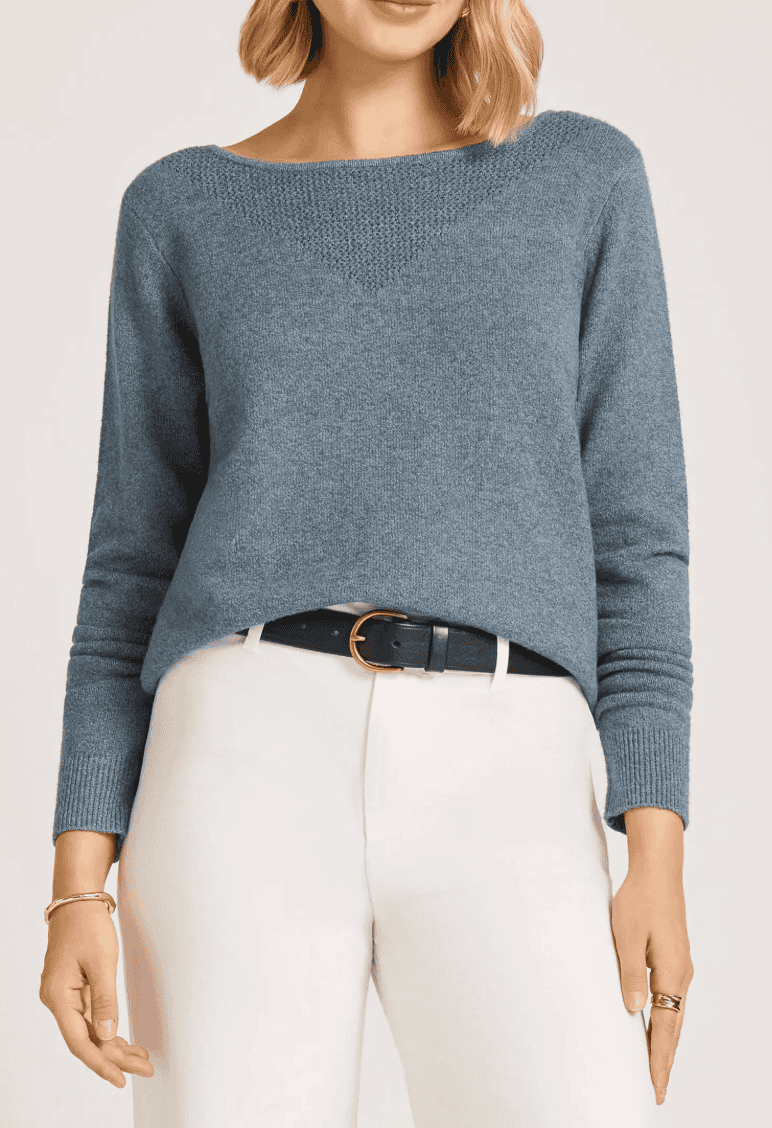
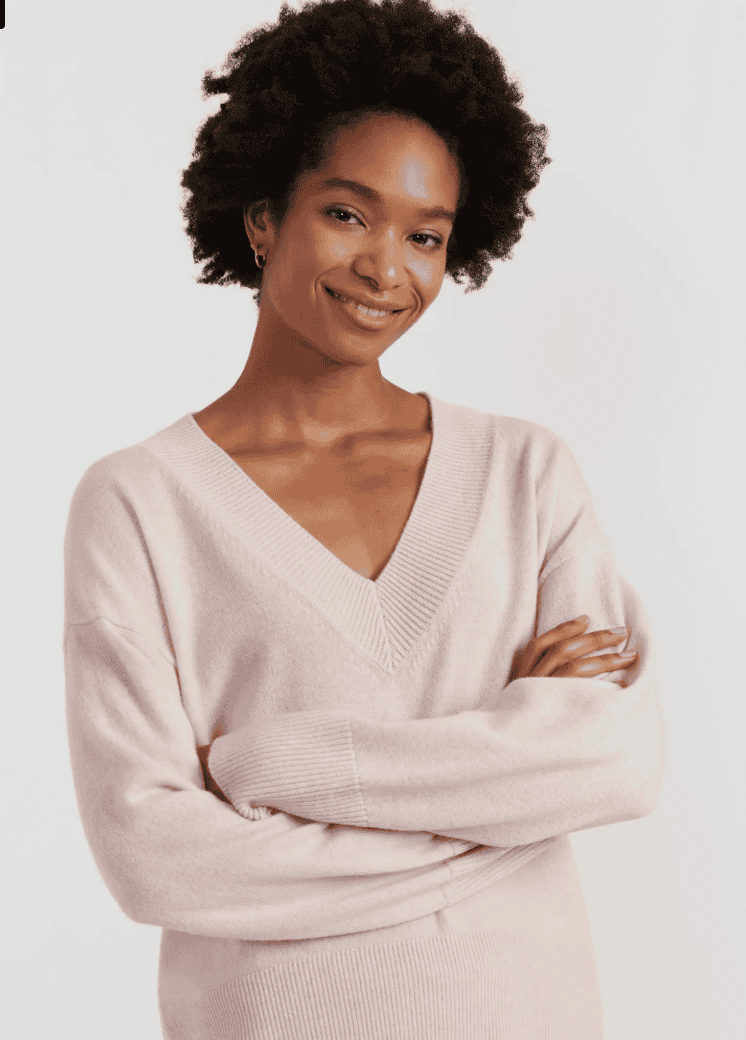
A chunky sweater is cozy, but it’s not transitional. What you want is a fine-gauge knit.
These lightweight sweaters provide warmth without bulk. They’re ideal for fluctuating temperatures and easy to layer under blazers or lightweight jackets.
Best options:
- Cotton blends
- Merino wool (naturally temperature regulating)
- Modal blends for softness
Choose classic necklines like a soft V-neck or bateau. Both frame the face beautifully and feel current without trying too hard.
Soft Knit Blazers
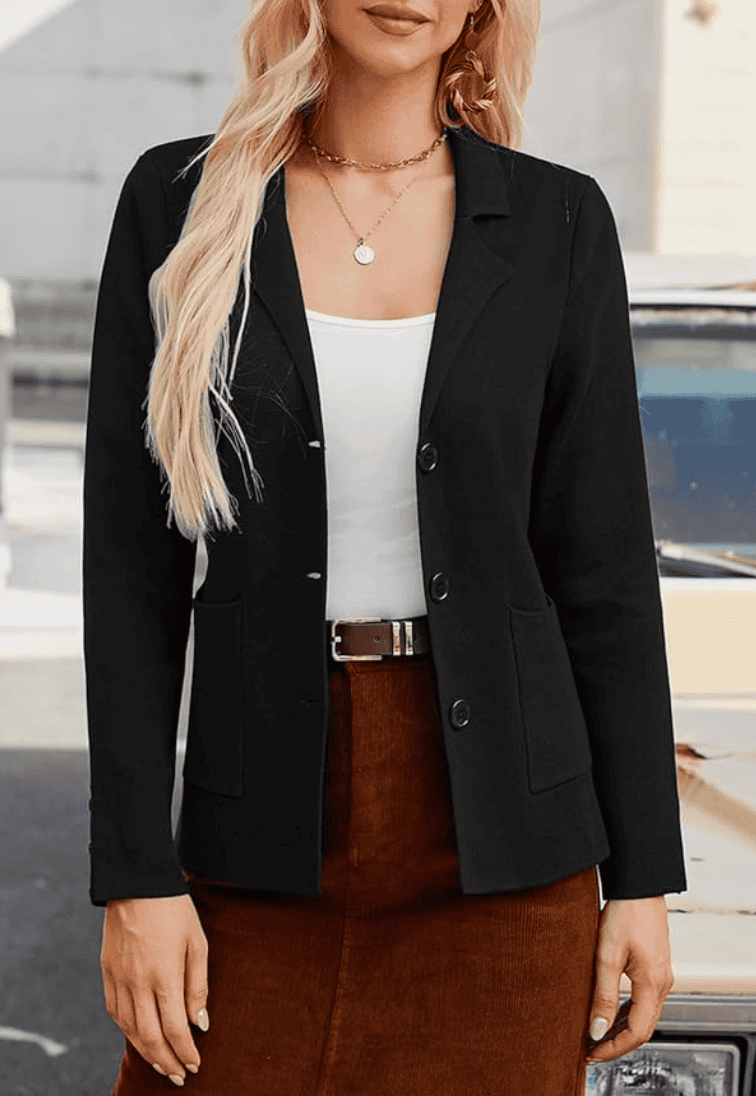
If you want structure without stiffness, a knit blazer is your best friend. It looks polished but feels like a cardigan. That’s transitional dressing at its best.
Why it works:
- Adds instant shape
- Comfortable for travel
- Easy to remove midday
- Pairs well with jeans or trousers
This is especially helpful for women who want coverage in air-conditioned restaurants or offices but don’t want a heavy jacket. Neutral colors like navy, soft camel, or ivory transition seamlessly from late winter into spring.

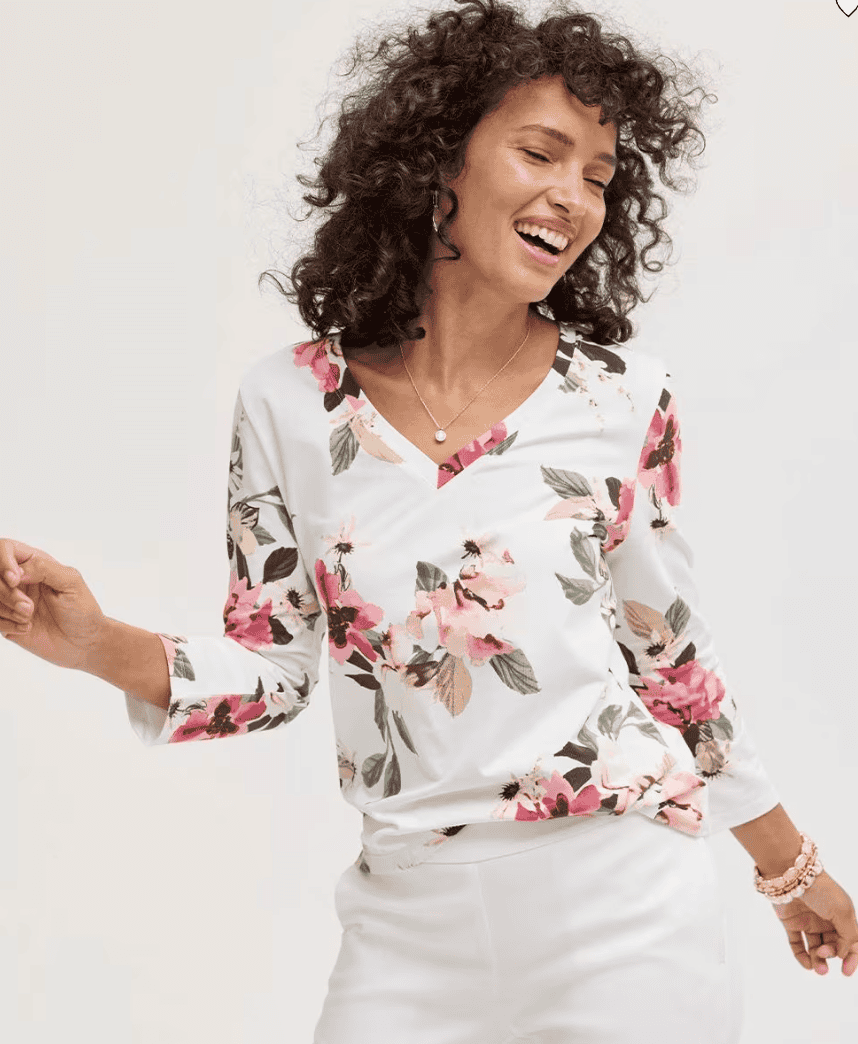
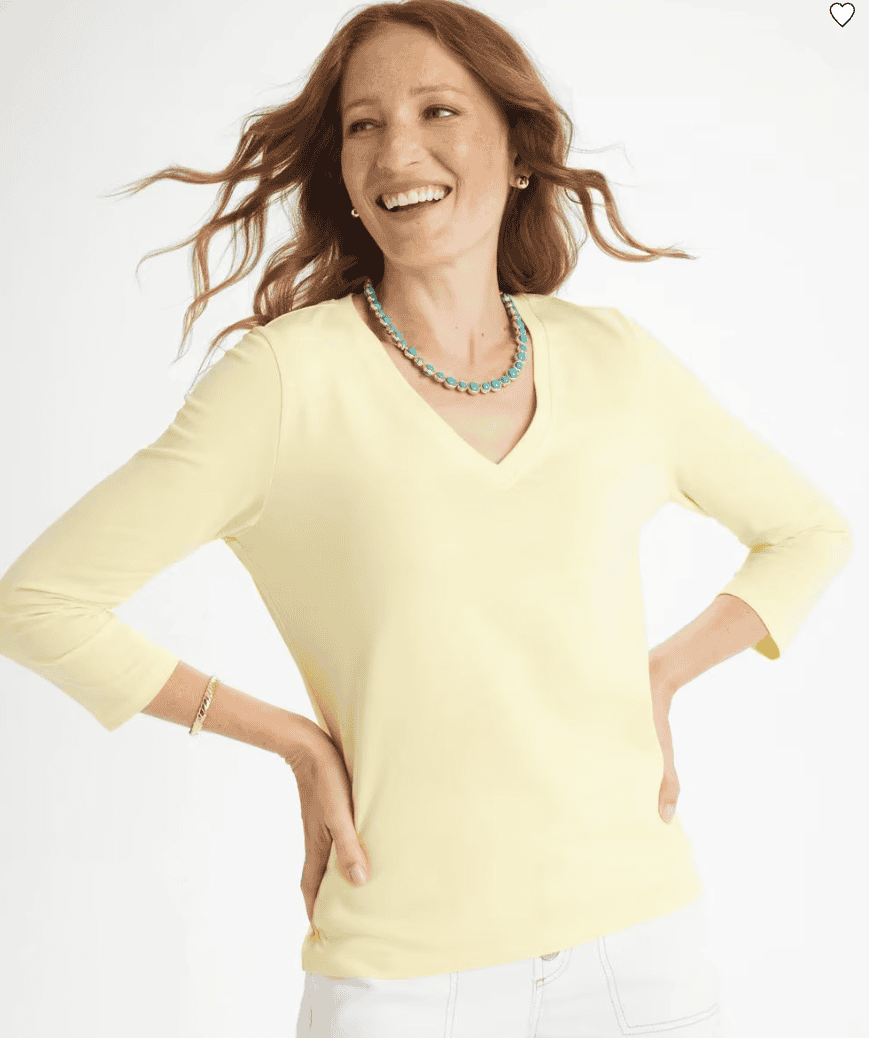
Three-Quarter Sleeve Tops
Three-quarter sleeves solve a lot of problems. They provide arm coverage (which many women appreciate) but don’t feel heavy. They also visually slim the arm and create a balanced silhouette.
Look for:
- Soft cotton blends
- Slight stretch for comfort
- Subtle draping, not clingy fabric
This sleeve length is ideal when the weather can’t quite make up its mind.
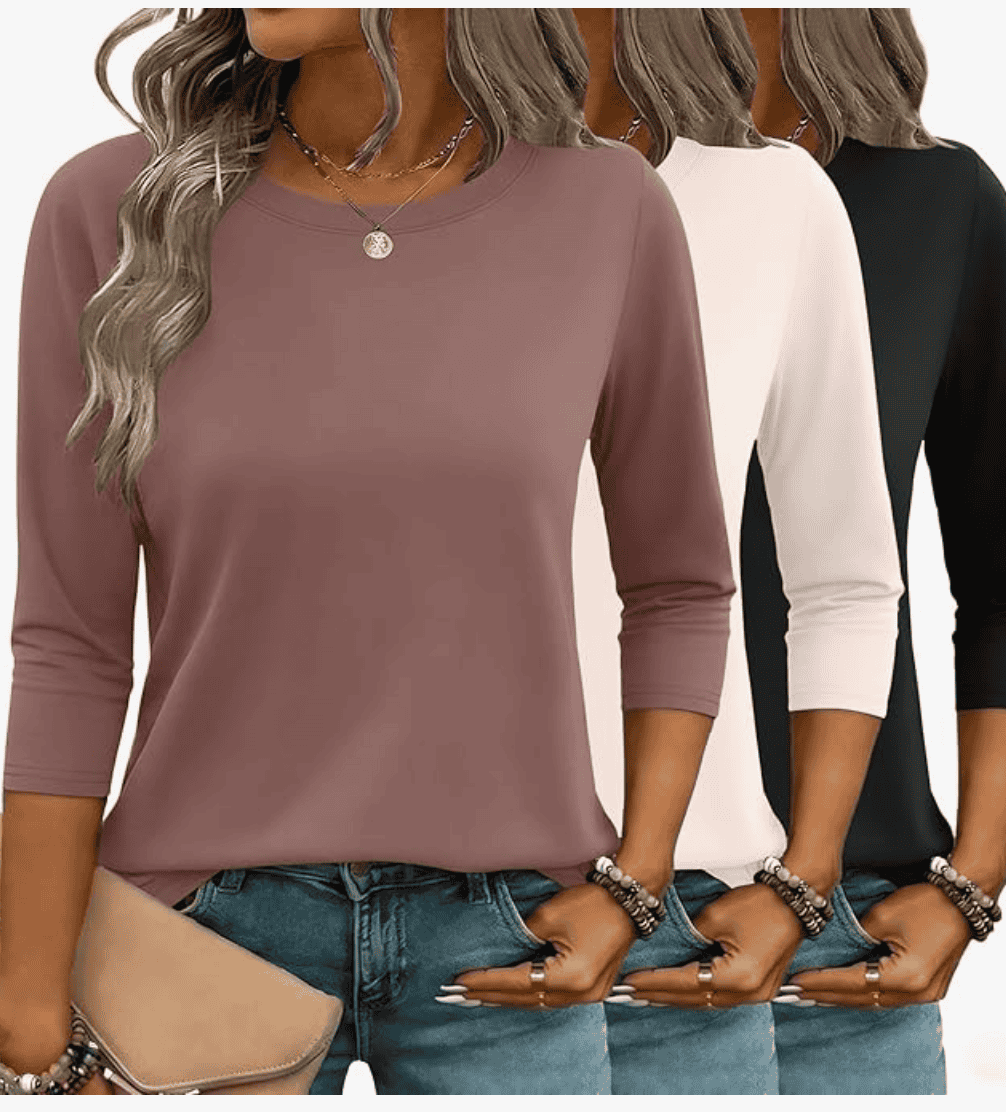
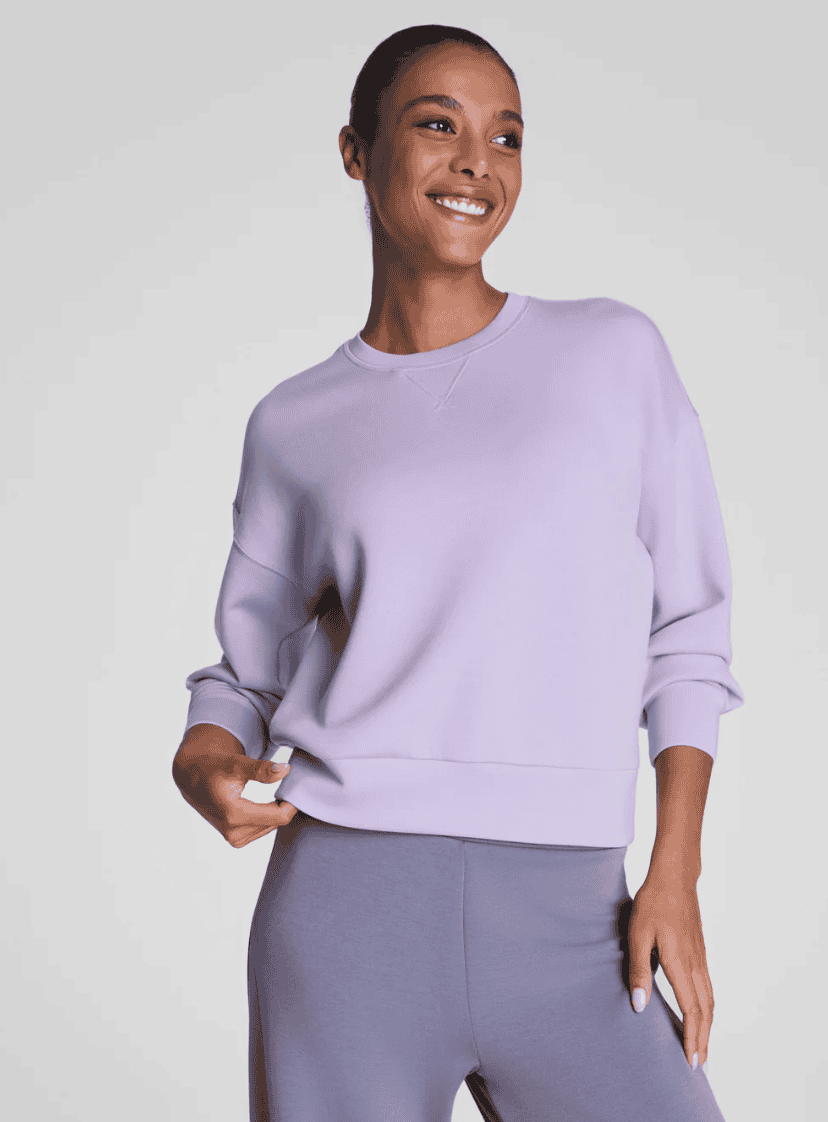
Elevated Long-Sleeve Tees
Not all long-sleeve tees are created equal. A high-quality tee in a substantial fabric works as a standalone top on mild days and as a layering piece when it’s cooler.
Details to look for:
- Thicker cotton or pima cotton
- Slight structure at the shoulder
- Clean neckline
- No thin, see-through fabric
Think of it as your wardrobe foundation. When the basics are strong, everything else works better.


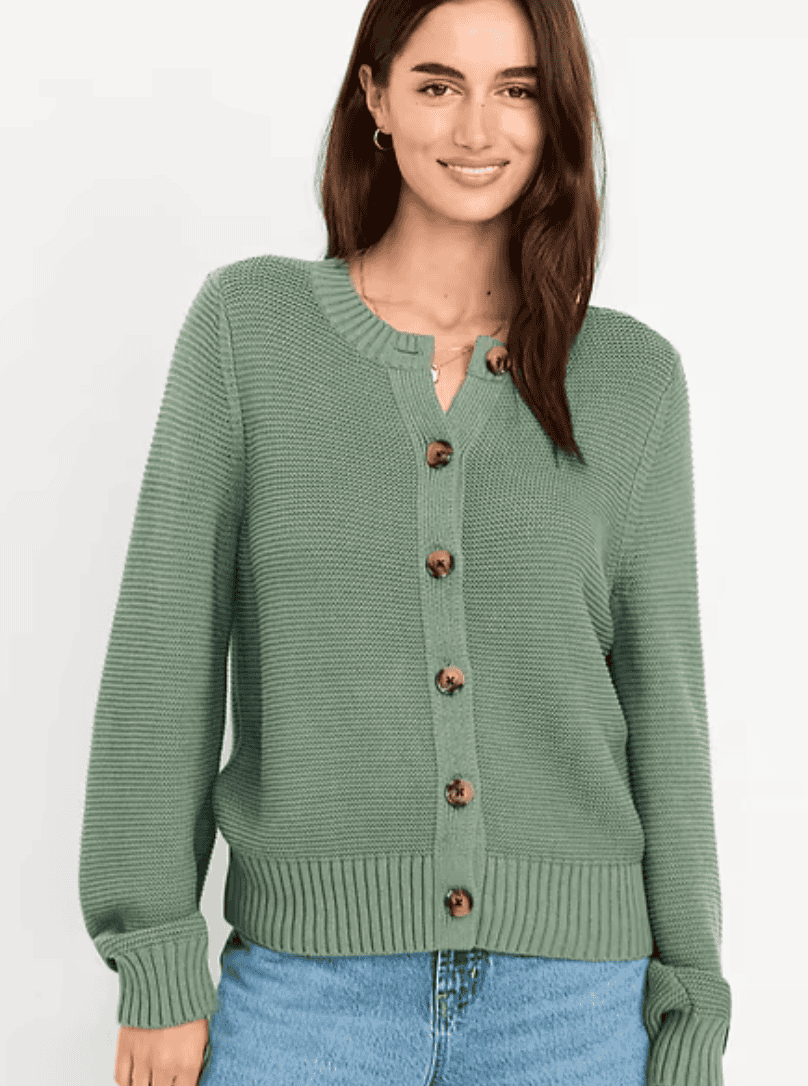
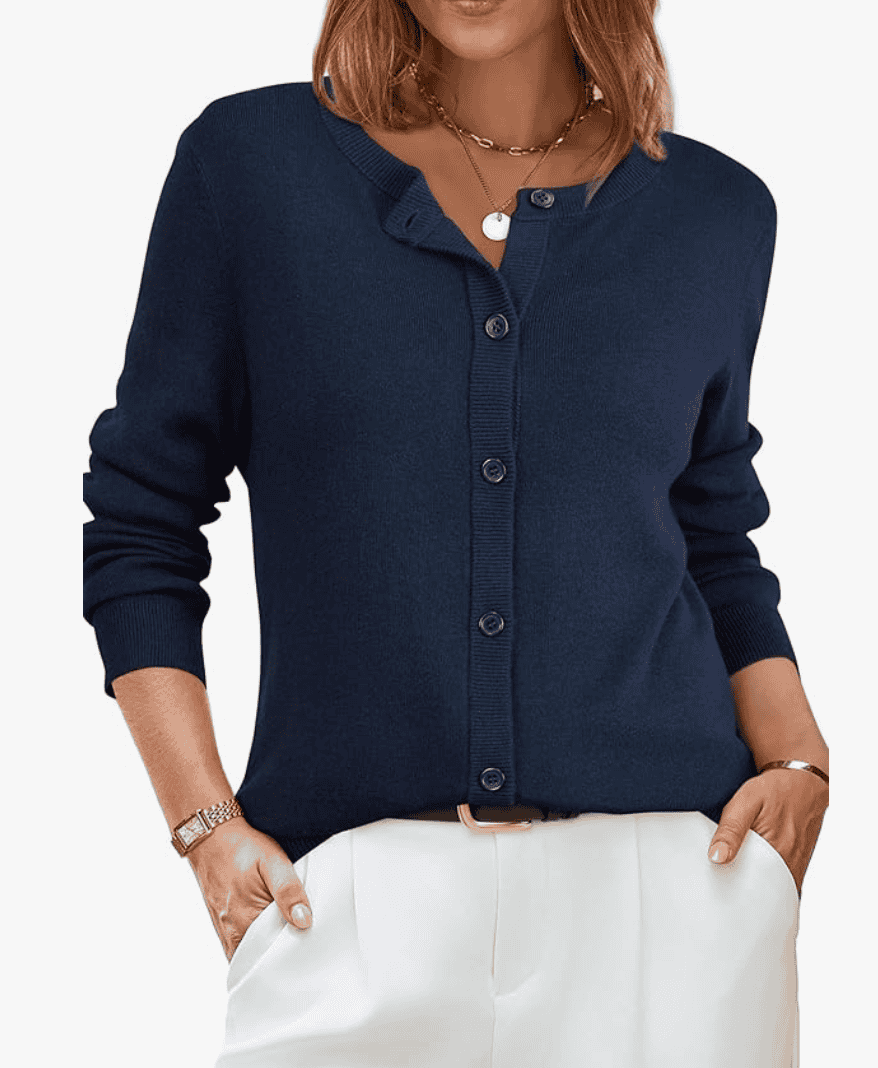
Lightweight Cardigans
A cardigan is the ultimate transitional layer. Choose one that isn’t oversized or heavy. You want something that folds easily into a tote and doesn’t overwhelm your frame.
Best styles:
- Hip-length
- Slightly fitted
- Open-front or simple button closure
Cardigans allow you to adapt throughout the day without sacrificing style.

Fabric Matters More Than You Think
As we age, skin becomes more sensitive. Breathability and softness matter.
Look for:
- Cotton
- Linen blends
- Merino wool
- Modal
- Tencel
Avoid heavy synthetics that trap heat and cling.
The right fabric makes transitional dressing effortless.
Keep Your Color Palette Cohesive
Transitional seasons are perfect for soft neutrals.
Think:
- Soft white
- Light denim blue
- Sage green
- Blush
- Camel
- Navy
When your tops coordinate easily with your bottoms, layering becomes simple.
The Bottom Line
Transitional dressing isn’t about chasing trends. It’s about choosing smart pieces that work harder for you. If you build your wardrobe around breathable fabrics, flexible layers, and flattering silhouettes, getting dressed becomes easier, and more enjoyable.