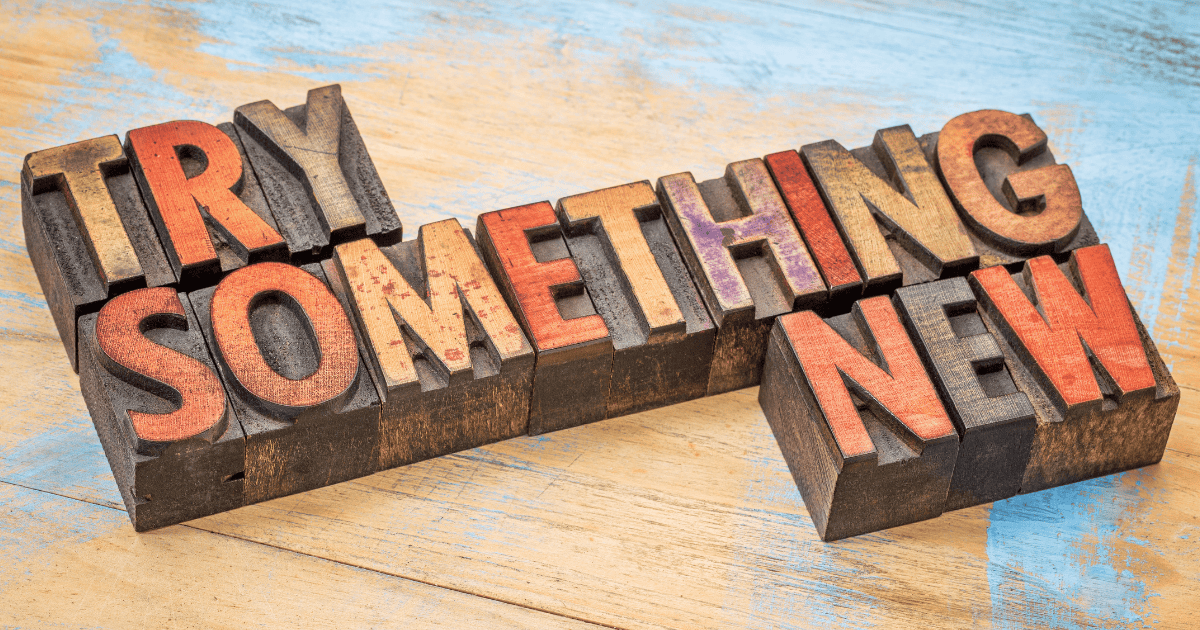
The Power of “New”: Why a Beginner’s Mind is the Secret to Longevity

There is a common myth that as we age, we should focus on mastering what we already know. We lean into our expertise, our decades of experience, and our established routines. While there is certainly comfort in the familiar, there is a profound, life-giving magic in the unfamiliar.
In Zen Buddhism, there is a concept called Shoshin, or “Beginner’s Mind.” It refers to dropping our expectations and preconceived notions about a subject and seeing it with fresh eyes. For older adults, embracing the “new” isn’t just a way to pass the time; it is a vital spark for cognitive health, emotional resilience, and pure, unadulterated joy.
- What Is The “Analog Bag” Trend?
- Brain Gym: 7 Weird Little Habits That Keep Your Mind Sharp at Any Age
A Lesson from the Pickleball Court
I recently experienced the “Beginner’s Mind” firsthand. After moving to Tennessee, I went looking for my usual comfort zone: the tennis court. I was looking for players, a rhythm, and a game I had known for years. When I couldn’t find a tennis group right away, I found myself standing on a pickleball court instead.
Now, I knew my way around a racket, but a paddle? That was different. The ball bounced differently, the court felt smaller, and, truth be told, I wasn’t very good at first.
It’s a humbling thing to go from being “proficient” at one thing to being a “rookie” at another. My ego wanted to be frustrated that I wasn’t an instant pro, but I realized that learning something new takes time. By letting go of the need to be a “tennis expert,” I opened the door to a new community, a new sweat, and a lot of new fun.
The Brain Loves a Challenge
Science tells us that the brain is “plastic”; it has the ability to reorganize itself by forming new neural connections throughout our entire lives. However, the brain is also efficient (and a bit lazy). If we do the same crossword puzzle or walk the same path every day, the brain operates on autopilot.
When we introduce something new, like a new sport or a new hobby, we force the brain to build new bridges.
- Learning a new craft improves spatial memory.
- Listening to a new genre of music engages different auditory processing centers.
- Identifying a new bird at the feeder sharpens observational skills and focus.
By being a beginner, you aren’t just “staying busy.” You are literally remodeling your mind.
Low Stakes, High Reward
One of the best parts of being a senior beginner is that the pressure is off. You aren’t learning a new skill to build a resume or impress a boss. You are doing it for the sheer curiosity of it.
Think about the “New” in three accessible ways:
1. New Sounds: The Playlist of the Unknown
We all have that one decade of music that feels like “home.” But have you ever spent an afternoon listening to Jazz-Fusion, Bossa Nova, or even modern Lo-fi beats? Exploring a new genre can spark memories you didn’t know were tucked away or simply provide a new “vibe” for your morning coffee.
2. New Sights: The Backyard Safari
Nature is the ultimate teacher because it is always changing. If you have a bird feeder, don’t just look for “the birds.” Look for the new visitor. Invest in a simple field guide or a phone app like Merlin to identify a call you’ve never heard before. Suddenly, a quiet afternoon on the porch becomes an active investigation.
3. New Puzzles: Breaking the Pattern
If you are a Sudoku master, try a 3D wooden puzzle or a logic grid. The “beginner” phase, where you feel a little fumbled and confused, is actually the moment the most growth is happening. Embrace that “fumble.” It’s the sound of your brain getting a workout.
Overcoming the “Expert” Trap
The biggest hurdle to a beginner’s mind is the fear of looking silly or being “bad” at something. After 70 or 80 years of being the person who knows things, it can feel vulnerable to be the person who doesn’t.
Here is the secret: Being “bad” at something is the first step toward feeling alive.
When we allow ourselves to be beginners, we let go of the need for perfection. There is an incredible sense of freedom in saying, “I have no idea how to do this, but I’m going to try anyway.” It keeps us humble, it keeps us curious, and most importantly, it keeps us connected to the world around us.
How to Start Small
You don’t need to move across the country or pick up a paddle to find the power of “new.” You can start this afternoon:
- The Grocery Challenge: Buy one fruit or vegetable you’ve never tasted before.
- The Route Swap: If you go for a daily walk, turn left where you usually turn right. Notice the different gardens or the architecture of the houses.
- The Digital Hello: Ask a grandchild or a younger friend to show you one app they love. Don’t worry about mastering it; just look at it through their eyes.
Living well isn’t about reaching a destination where everything is settled and finished. It’s about staying in the flow of life. Whether you’re missing a shot on the pickleball court or struggling with a new recipe, you’re growing. The “Beginner’s Mind” is a youthful mind, no matter how many candles are on the cake.
To Leave A Comment, scroll to the bottom of the page, past the subscription form and past the Similar Posts section. I love hearing from you!





I would love to try pickleball! I have always enjoyed the birds. Love the post!
You must! It’s really easy to learn and play, and I’ve met so many nice people. Go for it!
I recently started doing paper and pencil cryptograms…they are new and challenging every day. I never thought I’d like something like that but I do!
That sounds amazing and great for your brain. I’ll have to check it out!