
Is Drinking Aloe Vera Actually Good for You? What the Science Says.

In the ever-changing world of natural wellness, very few plants have stood the test of time the way aloe vera has. Ancient cultures even called it “the plant of immortality,” and once you understand what’s inside those thick, spiky leaves, it’s easy to see why. Aloe’s clear inner gel contains more than 75 naturally occurring compounds, including vitamins, minerals, enzymes, and amino acids that support the body in a surprisingly wide range of ways.
Most of us first met aloe after a painful sunburn, but lately, drinking aloe vera juice has become popular for a different reason: it supports digestion, hydration, skin health, and gentle detoxification from the inside out.
That said, aloe isn’t something you want to drink without understanding it first. Not all aloe products are created equal, and the difference between soothing and stomach-upsetting often comes down to how the aloe is processed. This guide breaks down the real, science-backed benefits of drinking aloe vera juice, and shows you how to choose a product that’s safe, effective, and easy on your gut.
- Scalp Health Is the New Hair Care: The Secret to Fuller, Healthier Hair After 60
- Brain Gym: 7 Weird Little Habits That Keep Your Mind Sharp at Any Age
Why People Drink Aloe Vera Juice
At its core, drinking aloe is about restoring balance. Aloe is made up of about 95% water, which makes it incredibly hydrating at a cellular level. But hydration is only part of the story. Aloe’s real strength comes from its natural bioactive compounds, which support digestion, skin health, and metabolic balance.
Digestive Comfort and Regularity
One of aloe’s most well-known benefits is how gently it supports digestion. Aloe naturally contains enzymes like amylase and lipase, which help the body break down sugars and fats more efficiently. For many people, this translates to less bloating, better nutrient absorption, and a calmer digestive system overall.
Aloe has also been studied for its soothing effect on acid reflux and heartburn. A clinical study published in the Journal of Traditional Chinese Medicine found that aloe vera syrup helped reduce symptoms of GERD safely, without the side effects often associated with long-term reflux medications.¹
When properly purified, aloe can also support regularity by gently encouraging bowel movement — without the harsh urgency caused by stimulant laxatives.
Gentle Detox and Liver Support
Your liver does the heavy lifting when it comes to filtering toxins, and it works best when your body is well hydrated. According to experts at the Cleveland Clinic, aloe vera’s high water content combined with its phytonutrients can support digestion and hydration, which are key components of the body’s natural detox processes.
Aloe also contains electrolytes like potassium and magnesium, which help maintain fluid balance and support muscle and nerve function, especially helpful if you’re trying to improve digestion without stressing your system.
Healthier Skin from the Inside Out
Great skin doesn’t come only from creams and serums. What you put into your body matters just as much. Aloe vera contains antioxidants such as vitamins C and E, which help combat oxidative stress — one of the contributors to visible aging.
Research published in the Annals of Dermatology suggests that oral aloe vera supplementation may help increase collagen production and improve skin elasticity over time, supporting a healthier, more resilient complexion from within.
Why Processing Matters
Here’s the important part many people miss. Raw aloe contains aloin, a compound found just beneath the outer skin of the leaf. According to the National Institute of Environmental Health Sciences (NIEHS), aloin is a powerful laxative that can cause cramping, diarrhea, and electrolyte imbalances if consumed in significant amounts.
That’s why choosing purified or inner-fillet aloe is essential. These products remove the harsh compounds while preserving the beneficial polysaccharides. Homemade aloe drinks may sound appealing, but without proper processing, they can do more harm than good.
What to Look For: A Buyer’s Guide
When you step into the supplement aisle, the options can be overwhelming. Recommended industry standards suggest keeping these criteria in mind:
- IASC Certification: This seal guarantees that the product meets safety standards for aloin content.
- Inner Fillet vs. Whole Leaf: “Inner Fillet” products use only the clear gel, making them naturally lower in aloin.
- Avoid Added Sugars: Look for pure juice rather than “aloe drinks” found in convenience stores, which are often loaded with high-fructose corn syrup.
- Packaging Matters: Aloe is light-sensitive. According to botanical researchers, nutrients can degrade when exposed to UV rays, so look for opaque bottles or dark amber glass.
Top Product Recommendations
Based on purity and manufacturing standards, here are the top-rated options currently on the market:
For Maximum Potency: Lily of the Desert
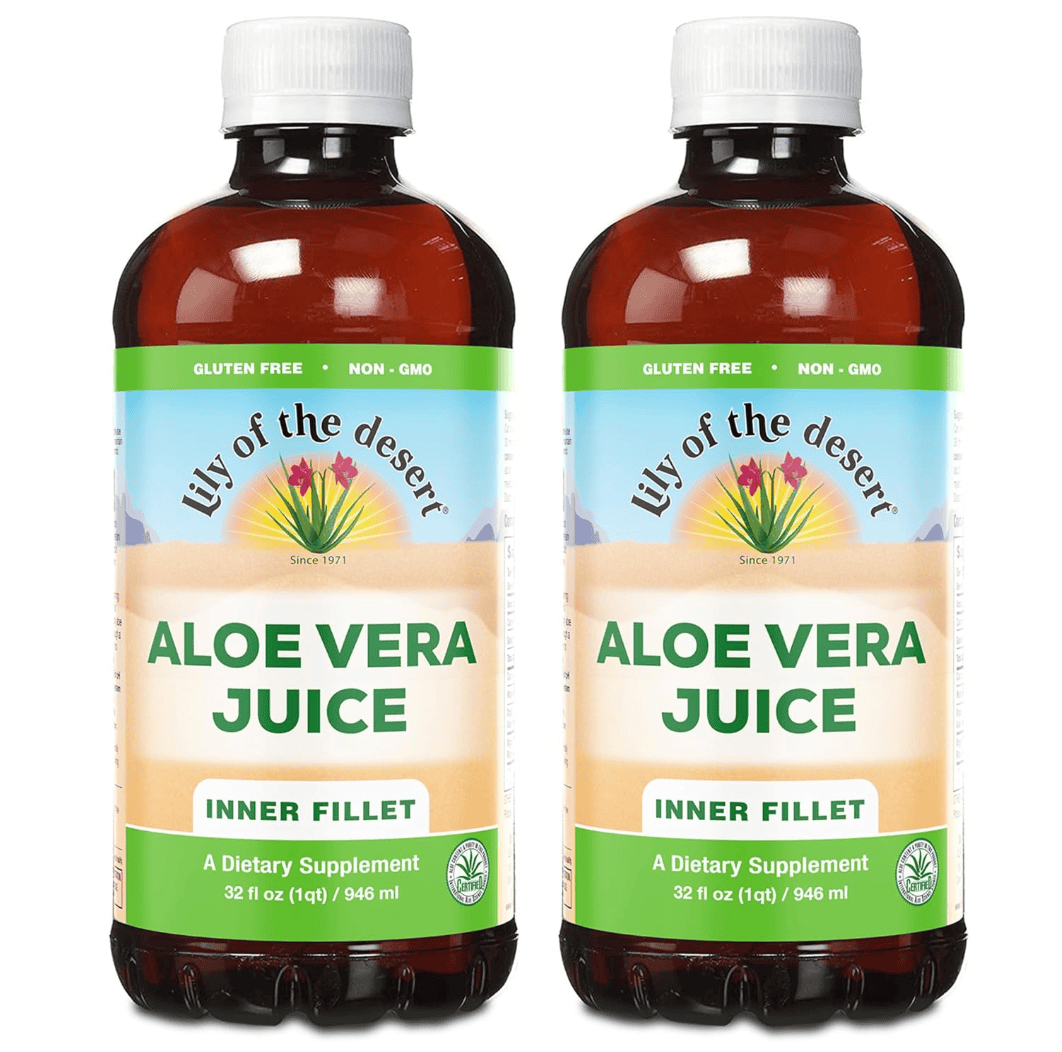
Lily of the Desert Aloe Vera Juice (Inner Fillet) is a consistent favorite. They use a patented process called Aloesorb, designed to maximize the “bioavailability” of the nutrients. It is USDA-certified organic and highly filtered for safety.

For the Best Taste: George’s Always Active Aloe Vera
If you hate the “earthy” taste of typical aloe, George’s Always Active Aloe Vera is the solution. They remove the bitter components and the aloin during the distillation process, resulting in a liquid that tastes exactly like plain water and requires no refrigeration.
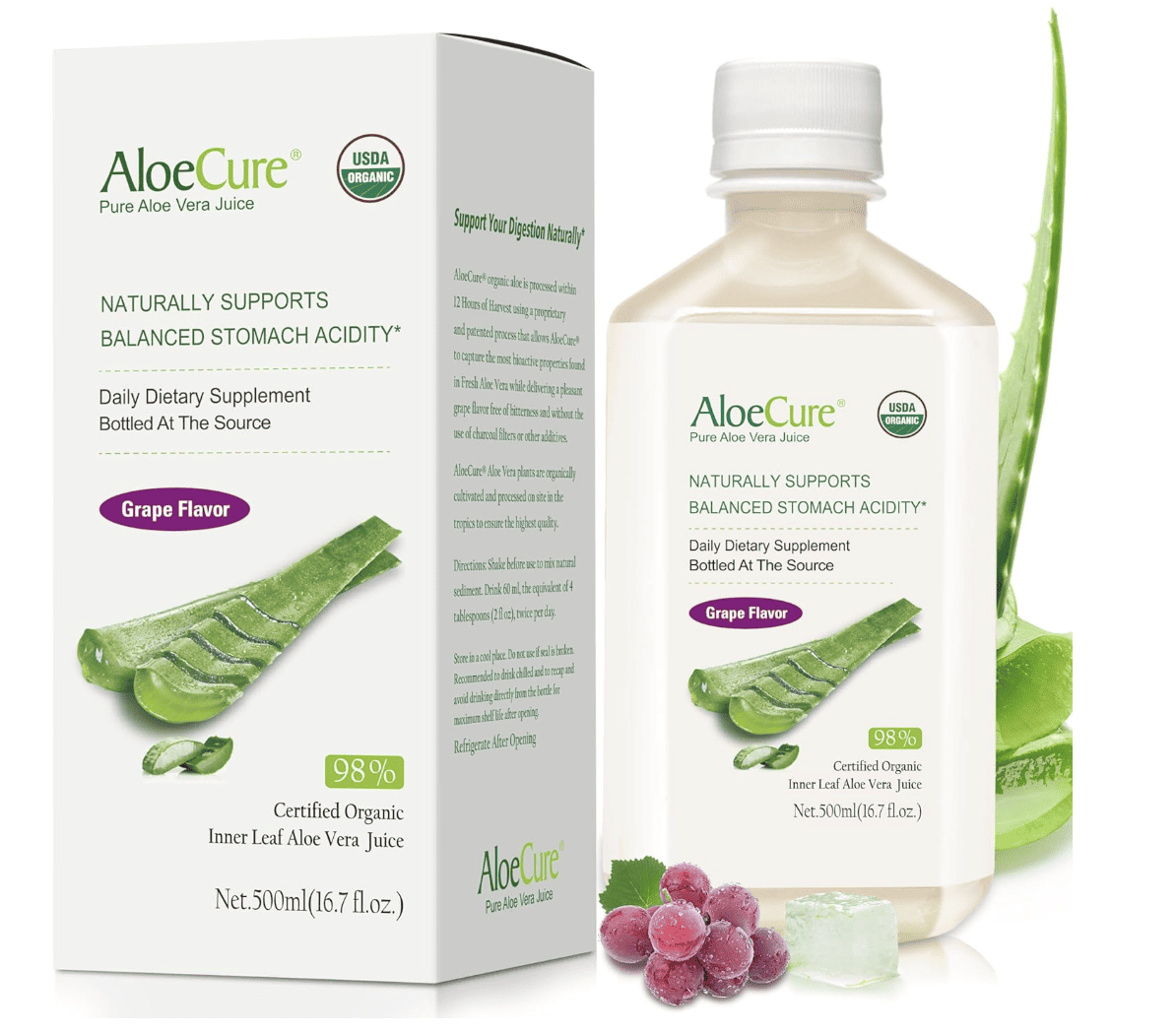
For the Purist: Aloe Cure
AloeCure (Pure Aloe Vera Extract) : Processed within 12 hours of harvest, USDA organic, and offers flavored options like lemon and grape.
How to Use Aloe Juice
The standard recommendation for most adults is to start with 2 to 4 ounces per day. It can be taken as a “shot” or mixed into smoothies, coconut water, or iced herbal teas to mask the flavor.
Drinking aloe vera is a powerful way to support your body’s natural systems, from digestion to skin repair. By choosing high-quality, IASC-certified inner-fillet juices, you can reap the rewards of this ancient plant without the digestive upset associated with unrefined versions. As with any supplement, consult with your healthcare provider before adding aloe to your daily routine.
Disclaimer: The information provided in this post is for educational purposes only and is not intended as medical advice. Aloe vera can interact with certain medications, including blood thinners and diabetes drugs. Always consult with a healthcare professional before starting any new supplement, especially if you are pregnant, nursing, or have a chronic medical condition.







Let us know how this works. I am very interested.
I will! I’m excited that it might actually help. 🙂
Great information. Please keep us posted if you try it. If it works for you, I must just give it a try. A couple times per week mixed with juice sounds doable. Women helping women! Love it!
That’s what I’m talking about! I have a lot of trouble with leafy vegetables and my friend said it really helps with that.
This is very interesting! I need to think about starting this.
Right? How have I missed it! I have such bad stomach issues. Jan said she puts a bit in juice in the morning, a couple of times per week.